السياسة والاقتصاد في مصر: توازن دقيق بين الاستقرار والإصلاح

يشهد المشهد السياسي المصري مرحلة مفصلية تتسم بالتركيز المكثف على الاستقرار والتنمية الاقتصادية، وهو التوجه الذي ترسخت دعائمه بقوة عقب إعادة انتخاب الرئيس عبد الفتاح السيسي. تواجه الحكومة المصرية في القاهرة تحديات اقتصادية ملحة، أبرزها التضخم وندرة العملات الأجنبية، مما يضعها أمام ضرورة الموازنة بين أجندة تنموية طموحة ومتطلبات الإصلاح الاقتصادي الجذري.
تحت قيادة الرئيس السيسي، كثفت الحكومة جهودها لجذب الاستثمارات الأجنبية المباشرة وتطبيق استراتيجيات الخصخصة، باعتبارها ركائز أساسية لتحقيق النمو المستدام. تجسدت هذه الجهود في صفقات استثمارية كبرى، مثل مشروع رأس الحكمة، التي تهدف إلى ضخ رؤوس أموال حيوية في شرايين الاقتصاد. ورغم الوعود بمكاسب طويلة الأمد، تتطلب هذه المبادرات تعديلات على المدى القصير والمتوسط تؤثر على حياة المواطنين، مما يستدعي إدارة سياسية حكيمة من قبل الإدارة.
تهدف الاستراتيجية الشاملة للحكومة المصرية إلى تعزيز مرونة الاقتصاد الوطني مع الحفاظ على التماسك الداخلي. لا يقتصر ذلك على التعديلات المالية والسياسات النقدية فحسب، بل يمتد ليشمل الاستمرار في تنفيذ المشروعات القومية الكبرى التي تهدف إلى تطوير البنية التحتية وخلق فرص العمل. يُعد التفاعل بين هذه الإصلاحات الاقتصادية وصيانة الاستقرار السياسي محورًا مركزيًا في خطاب الحكومة، حيث تؤكد إدارة السيسي باستمرار على الوحدة الوطنية والأمن كقاعدة أساسية لأي تقدم. ورغم ضخامة التحديات، تبدو الحكومة عازمة على مسارها الحالي.
📋 المصادر والمراجع الرسمية
- البيت الأبيض — بيانات رسمية
- الكونغرس — تشريعات
- أسوشيتد برس — وكالة أنباء
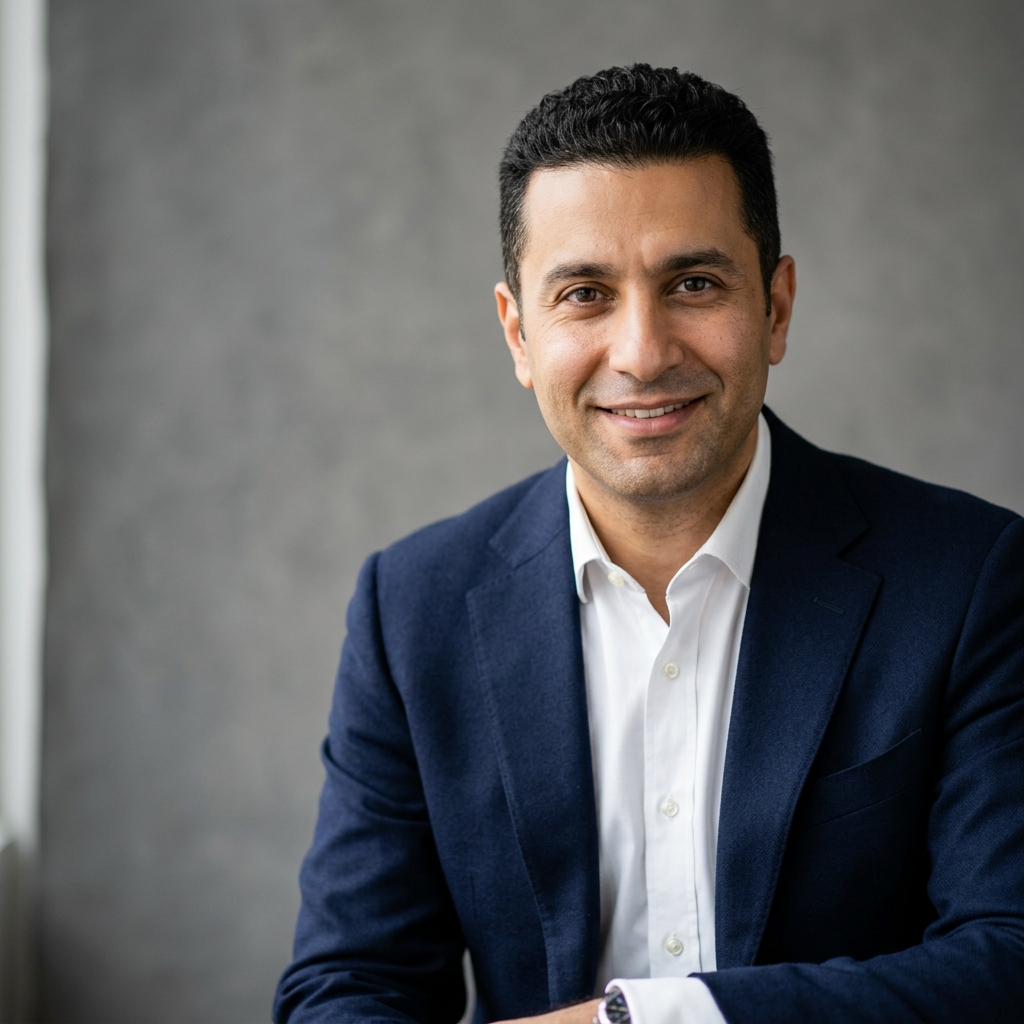
editor
محلل سياسي أول يغطي الشرق الأوسط وشمال أفريقيا. بخبرة تزيد عن 15 عامًا في الشؤون الدولية، يتخصص نور في سياسات الهجرة الأمريكية والعلاقات الدبلوماسية والتطورات السياسية في منطقة الشرق الأوسط وشمال أفريقيا.


