قرار حكومي مفاجئ يوقف الوصول إلى نماذج الذكاء الاصطناعي المتقدمة

أصدرت وزارة التجارة الأمريكية مؤخرًا أمرًا غير مسبوق، يلزم مطورًا رائدًا للذكاء الاصطناعي بتعليق وصول الرعايا الأجانب إلى اثنين من نماذج الذكاء الاصطناعي الرائدة لديه. وقد أحدثت هذه الخطوة، المدفوعة بمخاوف الأمن القومي، موجات فورية في صناعة التكنولوجيا العالمية.
في الأسبوع الماضي فقط، اتخذت وزارة التجارة الأمريكية خطوة حاسمة، حيث أمرت مطورًا للذكاء الاصطناعي بوقف وصول الرعايا الأجانب إلى نماذجه المتقدمة Mythos 5 و Fable 5. جاء التوجيه بعد تقارير عن استغلال محتمل يمكن أن يتجاوز حواجز الأمان المدمجة في نماذج الذكاء الاصطناعي، مما قد يسمح لها بتحديد نقاط الضعف الأمنية السيبرانية في البنية التحتية الحيوية.
لماذا يهم هذا عالم الذكاء الاصطناعي؟
يسلط هذا الأمر غير المتوقع الضوء على التوتر المتزايد بين الابتكار السريع في الذكاء الاصطناعي وضرورة الأمن القومي. وبحسب ما ورد، علقت شركة Anthropic، مطورة الذكاء الاصطناعي المتأثرة، الوصول لجميع عملائها، بمن فيهم المواطنون الأمريكيون، لضمان الامتثال أثناء العمل على حل مع الحكومة. يؤكد هذا الحادث على خطر حاسم يواجه الشركات متعددة الجنسيات: احتمال عدم توفر نماذج الذكاء الاصطناعي بشكل مفاجئ في سير عملها.
- صدر الأمر في 12 يونيو 2026، عن وزارة التجارة الأمريكية.
- استهدف نماذج الذكاء الاصطناعي الرائدة، وتحديداً Mythos 5 و Fable 5، التي طورتها شركة Anthropic.
- كان الشاغل الرئيسي هو استغلال محتمل يمكن أن يتجاوز ميزات الأمان ويحدد نقاط الضعف في البنية التحتية الحيوية.
- كانت النتيجة الفورية هي تعليق المطور للوصول لجميع العملاء، بمن فيهم المواطنون الأمريكيون.
المشهد المتغير لحوكمة الذكاء الاصطناعي
هذا الحدث ليس حادثًا معزولًا، بل هو مؤشر صارخ على التركيز العالمي المتزايد على تنظيم الذكاء الاصطناعي. فبينما أشار الأمر التنفيذي للرئيس ترامب في ديسمبر 2025 إلى نية فيدرالية لتوحيد الرقابة على الذكاء الاصطناعي وتثبيط القواعد على مستوى الولايات، مضت ولايات مثل كاليفورنيا وإلينوي ونيويورك قدمًا في أطر حوكمة الذكاء الاصطناعي الشاملة الخاصة بها، مع بدء سريان العديد من الأحكام في أواخر عام 2025 و 2026. وعلى الصعيد الدولي، يستمر قانون الذكاء الاصطناعي للاتحاد الأوروبي في التطور، مع بدء سريان معظم الالتزامات الخاصة بأنظمة الذكاء الاصطناعي عالية المخاطر بحلول 2 أغسطس 2026.
كما قدم مجلس النواب الأمريكي مؤخرًا مسودة مناقشة من الحزبين لمشروع قانون "قانون الذكاء الاصطناعي الأمريكي العظيم لعام 2026"، بهدف إنشاء أول نظام حوكمة فيدرالي شامل للذكاء الاصطناعي. تعكس هذه الجهود التشريعية رغبة واسعة من الحزبين في تنظيم الذكاء الاصطناعي، حيث أظهر استطلاع حديث أن 65% من الأمريكيين يعتقدون أن الحكومة لم تفعل ما يكفي لتنظيم الذكاء الاصطناعي.
التداعيات العالمية والدعوة إلى التوطين
لقد أثار إجراء الحكومة الأمريكية بالفعل تعليقات من مصادر إخبارية أوروبية حول الحاجة الملحة لتوطين تطوير الذكاء الاصطناعي داخل الحدود المحلية أو الإقليمية. يعزز هذا الاتجاه موضوعات سيادة البيانات والقدرة المحلية والتحكم المحلي، والتي تكتسب زخمًا في عصر الذكاء الاصطناعي. ويسلط الحادث الضوء أيضًا على الاستثمارات الكبيرة التي تتم في البنية التحتية للذكاء الاصطناعي، حيث من المتوقع أن ينفق مزودو الخدمات السحابية في الولايات المتحدة 600 مليار دولار على البنية التحتية للذكاء الاصطناعي في عام 2026 وحده.
📌 ما يجب على الشركات مراعاته
في ضوء هذه التطورات، يجب على الشركات التي تعتمد بشكل كبير على نماذج الذكاء الاصطناعي المتقدمة تقييم استراتيجياتها بشكل استباقي:
- تخطيط استمرارية الأعمال: دمج احتمال عدم توفر نماذج الذكاء الاصطناعي في خطط استمرارية أعمالك.
- التكرار: استكشاف بناء التكرار عبر نماذج أو مزودي ذكاء اصطناعي متعددين للتخفيف من المخاطر المرتبطة بالاعتماد على مصدر واحد.
- مراقبة الامتثال: مواكبة المشهد التنظيمي للذكاء الاصطناعي سريع التطور، محليًا ودوليًا.
- فحص الأمان: كن على دراية بأن مختبرات الذكاء الاصطناعي الرائدة مثل Anthropic و OpenAI تقوم بتطوير برامج فحص أمن سيبراني رسمية للوصول إلى نماذجها الأكثر قوة.
مع استمرار الذكاء الاصطناعي في الاندماج السريع في كل جانب من جوانب المجتمع، من تعزيز الإنتاجية إلى إعادة تشكيل سوق العمل، سيظل التوازن بين تعزيز الابتكار وضمان الأمن القومي تحديًا حاسمًا. وكيف ستتعامل الحكومات والقطاع الخاص مع هذه المياه المعقدة سيحدد بلا شك المسار المستقبلي للذكاء الاصطناعي.
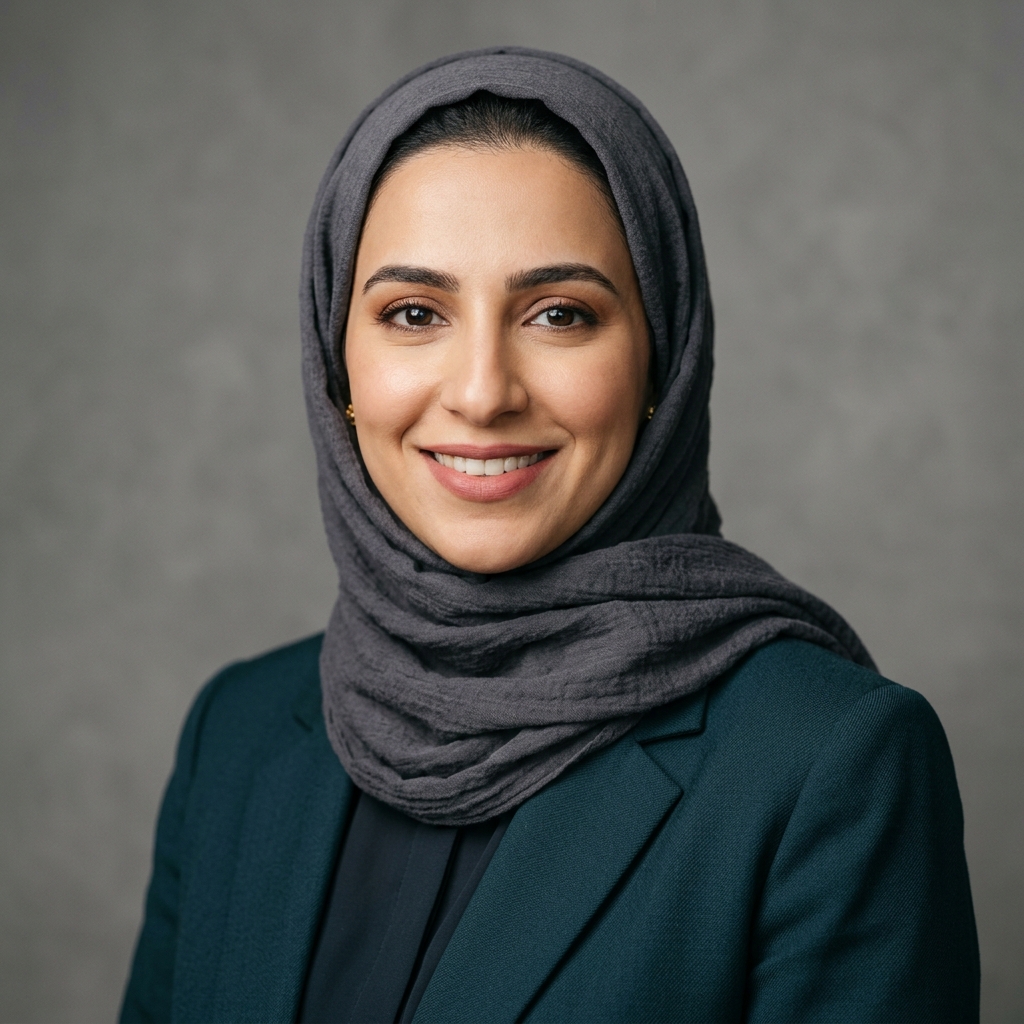
columnist
مراسلة التكنولوجيا والثقافة تغطي الذكاء الاصطناعي والأمن السيبراني وتقاطع التراث العربي مع الابتكار الحديث. تحمل ياسمين شهادة في علوم الحاسب من جامعة القاهرة وغطت منظومات التكنولوجيا في الشرق الأوسط ووادي السيليكون.


