Culture
5 min read
Insight — AI and XR Drive New Era for Arab Entertainment

Analysis
The Arab entertainment industry is experiencing a significant shift in 2026, with digital innovation and immersive technologies fundamentally altering how stories are told and music is made. This year, the sector is projected to reach an estimated $48.43 billion, a testament to the region's rapid digital transformation and strategic investments in local content. This isn't just about growth; it's about a new creative frontier.
This digital wave is reshaping everything from film festivals to music studios, offering unprecedented opportunities for artists and audiences alike. You're seeing a convergence of traditional artistry with cutting-edge tech, creating a vibrant ecosystem that's more accessible and diverse than ever before.
Immersive Storytelling Takes Center Stage with XR
Film festivals across the Arab world are embracing extended reality (XR) to push the boundaries of cinematic language. The Cairo International Film Festival (CIFF), for instance, is hosting its second edition of Cairo XR from November 11th to 20th, 2026. This program invites filmmakers and technologists worldwide to submit projects experimenting with virtual reality (VR), augmented reality (AR), and interactive films, aiming to establish Cairo as a regional hub for immersive storytelling. This initiative moves beyond traditional screens, exploring themes like embodiment and interaction to transform audiences into active participants within cinematic worlds. It's a clear signal that Arab cinema is not just keeping pace with global trends but actively shaping the future of narrative experiences.AI's Creative Revolution in Arabic Music
Artificial intelligence is also revolutionizing the Arabic music scene, making production more accessible and fostering cross-cultural collaborations. AI voice technology allows artists and producers to generate high-fidelity Arabic vocals, breaking down language barriers and reducing the need for costly recording sessions. This empowers independent artists to experiment and share their work globally, as highlighted by Soundwave Art, which notes AI's role in making Arabic music more accessible worldwide. Musician Atheer Al-Amoudi sees AI's creative potential as revolutionary, stating, "AI is becoming unstoppable in various fields, and the outcomes are undeniably mind-blowing. Its limitlessness makes the wildest thoughts of creativity easier to actually produce." This technology is not just about efficiency; it's about expanding the very definition of musical creativity.Streaming Platforms Drive Content Evolution
The shift towards on-demand content continues to be a major driver, with streaming services decisively pulling ahead of traditional Pay TV in the MENA region. SVOD (Subscription Video On Demand) subscriptions are projected to climb from 35 million in 2025 to almost 50 million by 2030, according to 3Vision's Video Markets Tracker. This growth is fueled by a strong preference for flexible subscription models and a marked increase in investment toward Arabic-language storytelling. This competitive landscape is also leading to consolidation among homegrown platforms, with examples like Abu Dhabi Media integrating its streaming service ADtv into STARZPLAY. Platforms are increasingly focusing on culturally aligned programming as a critical retention tool, ensuring that local stories resonate deeply with regional audiences.Impact on Egyptian Americans
For Egyptian Americans and Arabic-speaking immigrants, these technological advancements in Arab entertainment offer a richer, more immediate connection to your heritage. You now have unprecedented access to diverse Arabic films and music, from immersive XR experiences at festivals to AI-generated tracks by emerging artists. This means more opportunities to engage with contemporary Arab culture, celebrate shared stories, and introduce younger generations to the evolving artistry of the Arab world. To truly benefit, explore the offerings of platforms like Shahid VIP, StarzPlay, and Netflix, which are investing heavily in Arabic content. Also, keep an eye on cultural institutions like the Arab American National Museum, which hosts its annual Arab Film Festival, bringing these innovative works directly to the U.S. Engaging with these platforms and events not only enriches your personal connection but also strengthens the presence of Arab culture in the American landscape.📋 Sources & References
- CairoScene — Cairo International Film Festival Opens Submissions for Cairo XR 2026
- Soundwave Art — How AI Voice Generators Are Making Arabic Music More Accessible
- Mena.tv — Middle East Media and Entertainment to hit $48bn in 2026
- 3Vision — MENA Streaming Market 2025–2030: OTT vs Satellite
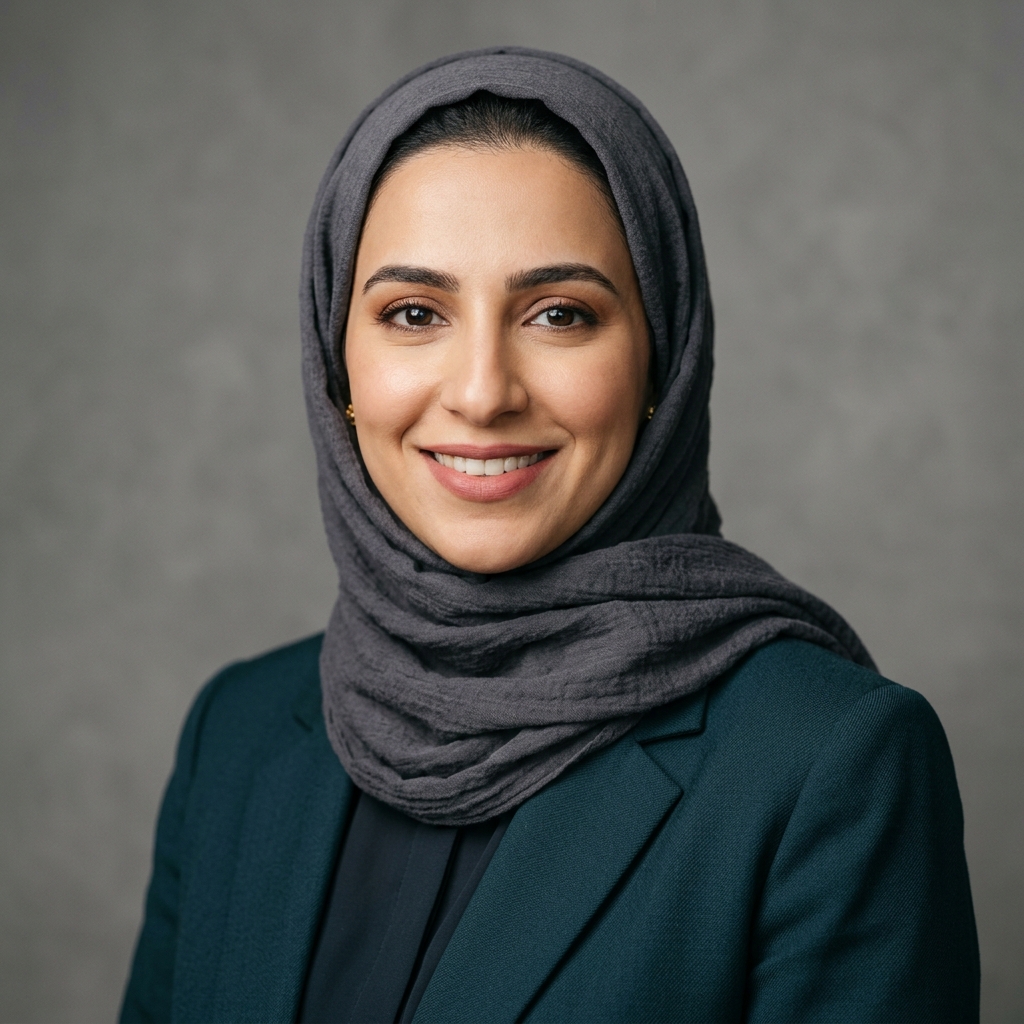
Yasmine Samir
columnist
Technology and culture correspondent covering AI, cybersecurity, and the intersection of Arab heritage with modern innovation. Yasmine holds a degree in Computer Science from Cairo University and has reported on tech ecosystems across the Middle East and Silicon Valley.


