Egypt's Grand Museum Redefines Heritage for a New Generation

What does it mean for Egypt, and for you, when a nation's entire ancient legacy finally finds a single, magnificent home? This is the reality unfolding with the Grand Egyptian Museum (GEM), which officially opened its doors in November 2025, marking a pivotal moment for cultural heritage worldwide.
The GEM isn't just another museum; it's a monumental undertaking designed to showcase over 100,000 artifacts, offering an immersive journey through 5,000 years of Egyptian history. This grand opening is more than a tourist attraction; it's a statement about Egypt's commitment to preserving its past while actively shaping its future, especially for younger generations.
A New Era for Ancient Treasures
Imagine seeing the complete funerary collection of King Tutankhamun—all 5,398 pieces—displayed together for the first time in over a century. This unparalleled exhibit is a centerpiece of the GEM, which has quickly become the world's third most visited museum since its opening. The museum's CEO, Ahmed Ghoneim, emphasized its forward-thinking approach, stating, "We're using the language that the Gen Z uses right now." This means advanced technology, multimedia presentations, and even mixed-reality shows are integrated to make ancient Egypt accessible and engaging for everyone.
Beyond the iconic Tutankhamun collection, the GEM's 12 main galleries present antiquities from prehistoric to Roman eras, organized chronologically and thematically. This thoughtful curation allows visitors to trace the evolution of Egyptian civilization, offering a comprehensive educational experience that goes far beyond traditional static displays.
Global Partnerships in Heritage Preservation
The GEM's emergence is part of a broader, collaborative effort to safeguard Egypt's invaluable heritage. The U.S. government, for instance, is partnering with the American Research Center in Egypt (ARCE) and the Egyptian Ministry of Tourism and Antiquities (MoTA) on a significant project. This initiative aims to establish a Central Information System for museums across Greater Cairo, enhancing documentation and collections management for institutions like the Egyptian Museum in Cairo, the Coptic Museum, and the GEM itself.
U.S. Ambassador Herro Mustafa Garg highlighted the profound impact of such collaborations, noting, "This partnership is not only about preserving the past; it is also about shaping a future where the cultural richness of Egypt continues to thrive." These efforts extend to specific restoration projects, such as the reopening of the Tomb of Amenhotep III (KV22) in October 2025, a culmination of over two decades of international cooperation between Egyptian and Japanese experts under UNESCO's auspices.
Impact on Egyptian Americans
For Egyptian Americans, the Grand Egyptian Museum and these ongoing preservation efforts offer a powerful connection to your roots. It's a source of immense pride to see Egypt's heritage not only protected but presented on a global stage with such innovation and grandeur. Visiting the GEM provides an unparalleled opportunity to immerse yourself and your family in the rich tapestry of Egyptian history, fostering a deeper understanding and appreciation of your cultural identity.
Consider planning a trip to experience the GEM firsthand. It's an educational journey that can strengthen family bonds through shared cultural exploration. You can also support organizations like the American Research Center in Egypt (ARCE) that facilitate these vital preservation partnerships, ensuring that Egypt's legacy continues to inspire future generations.
📋 Sources & References
- U.S. Embassy in Egypt — Information on U.S. and Egyptian government partnerships for cultural preservation.
- PBS NewsHour — Report on the Grand Egyptian Museum's opening and features.
- UNESCO — Details on the conservation of the Tomb of Amenhotep III and heritage preservation.
- Forbes — Article on the Grand Egyptian Museum's impact on tourism and visitor numbers.
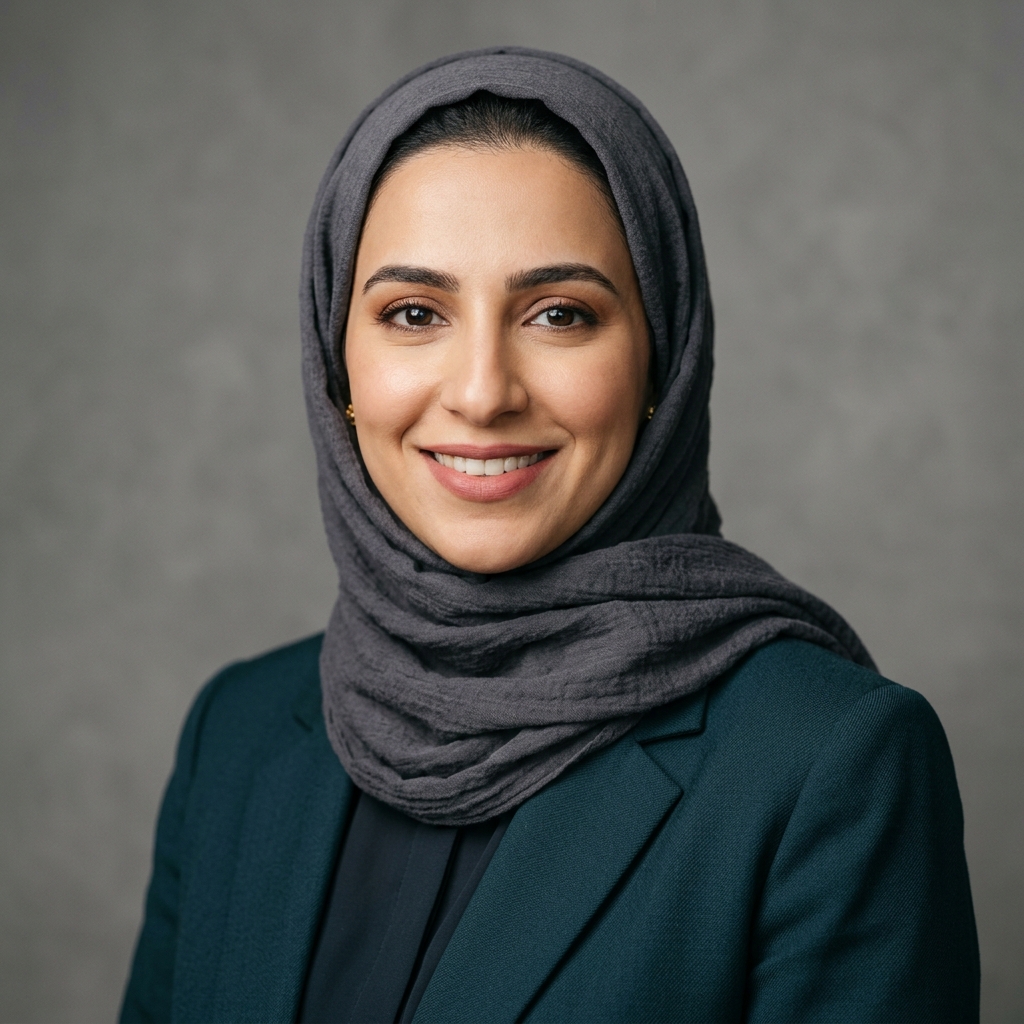
columnist
Technology and culture correspondent covering AI, cybersecurity, and the intersection of Arab heritage with modern innovation. Yasmine holds a degree in Computer Science from Cairo University and has reported on tech ecosystems across the Middle East and Silicon Valley.


