Culture
4 min read
How AI is Reshaping Arab Entertainment: A Filmmaker's Guide

Explainer
Walk into any film studio or music production house across the Arab world today, and you'll find artificial intelligence (AI) isn't just a buzzword; it's actively transforming how stories are told and consumed. This shift brings exciting opportunities for creators, but also raises important questions about the future of human artistry.
How We Got Here: A Century of Storytelling Meets Digital Disruption
For over a century, Egypt has proudly held the title of the "Hollywood of the East," shaping Arab cinema and immortalizing legendary figures. This rich history laid the groundwork for a vibrant industry, which later embraced digital cinema, opening doors for new types of films and production methods. The early 2020s saw a significant surge in investment across the Middle East's media and entertainment sector. By 2026, the region's film financing market alone is valued at $1.5 billion USD, with streaming platforms pouring over $900 million into original Arabic content. This financial injection, coupled with the rapid growth of streaming services like Shahid VIP, set the stage for technological advancements to take hold.Where We Are Now: AI's Dual Impact on Production
Today, AI is deeply embedded in various stages of Arab entertainment production. You'll see it automating editing and post-production processes, from transcribing dialogue to cutting scenes and mixing audio, drastically reducing the time needed for tasks that once took months to just days. This means filmmakers can achieve high-quality visual effects and improve backgrounds with unprecedented precision, often at a fraction of the traditional cost. For example, making a street in Budapest look like it did in the 1930s using AI-powered VFX cost only 1,500 euros, compared to an estimated 15,000 to 40,000 euros for a traditional VFX team. However, this rapid integration isn't without its critics. Director Amir Ramses warns against over-reliance on AI, drawing parallels to how the "digital cinema" revolution, while beneficial, also fostered a culture of "shortcuts" that could harm artistic standards. Art critic Magda Morris echoes this, raising concerns about transparency and artistic integrity, especially if creators don't acknowledge AI's use. There's also the looming concern of job displacement, particularly for visual effects artists, as AI tools become more sophisticated.What's Next: Navigating an AI-Powered Future
The global AI in media and entertainment market is set for explosive growth, projected to expand from $12.00 billion in 2025 to $68.77 billion by 2036. This means AI's influence will only deepen, with services like AI-powered production workflows and post-production automation leading the charge. Governments in the region are actively embracing this future. Saudi Arabia, for instance, is integrating AI into its cultural projects, offering incentives up to SR500,000 to local businesses that use AI in heritage, arts, and media. Khalid Albaker, CEO of the Quality of Life Program, believes this can "help turn culture into a more productive economic sector". The ongoing debate will center on finding the right balance between leveraging AI for efficiency and preserving the unique human touch that defines compelling storytelling.Impact on Egyptian Americans: Your Role in the Evolving Landscape
For Egyptian-American filmmakers and content creators, understanding AI's role in Arab entertainment is crucial. If you're looking to break into the industry or enhance your projects, consider exploring AI tools for script development, visual effects, or even personalized content recommendations, as these are becoming industry standards. However, remember the ethical considerations: transparency about AI use can build trust with your audience and collaborators. Focus on how AI can augment your creative vision, rather than replace it, ensuring your unique voice remains at the forefront of your storytelling. The Arab Fund for Arts and Culture (AFAC) also offers grants for Arab directors, which could be a resource for independent projects navigating new technologies.📋 Sources & References
- The New Arab — Egypt's cinema revival: The promise and perils of AI technology
- Media Technology Trends — Media Technology Trends 2026: How AI Is Transforming UAE Media
- Arab News — How AI is transforming India's largest film industry (includes relevant AI cost data)
- Film Information — SAUDI ARABIA RAISES FILM INCENTIVE TO 60%
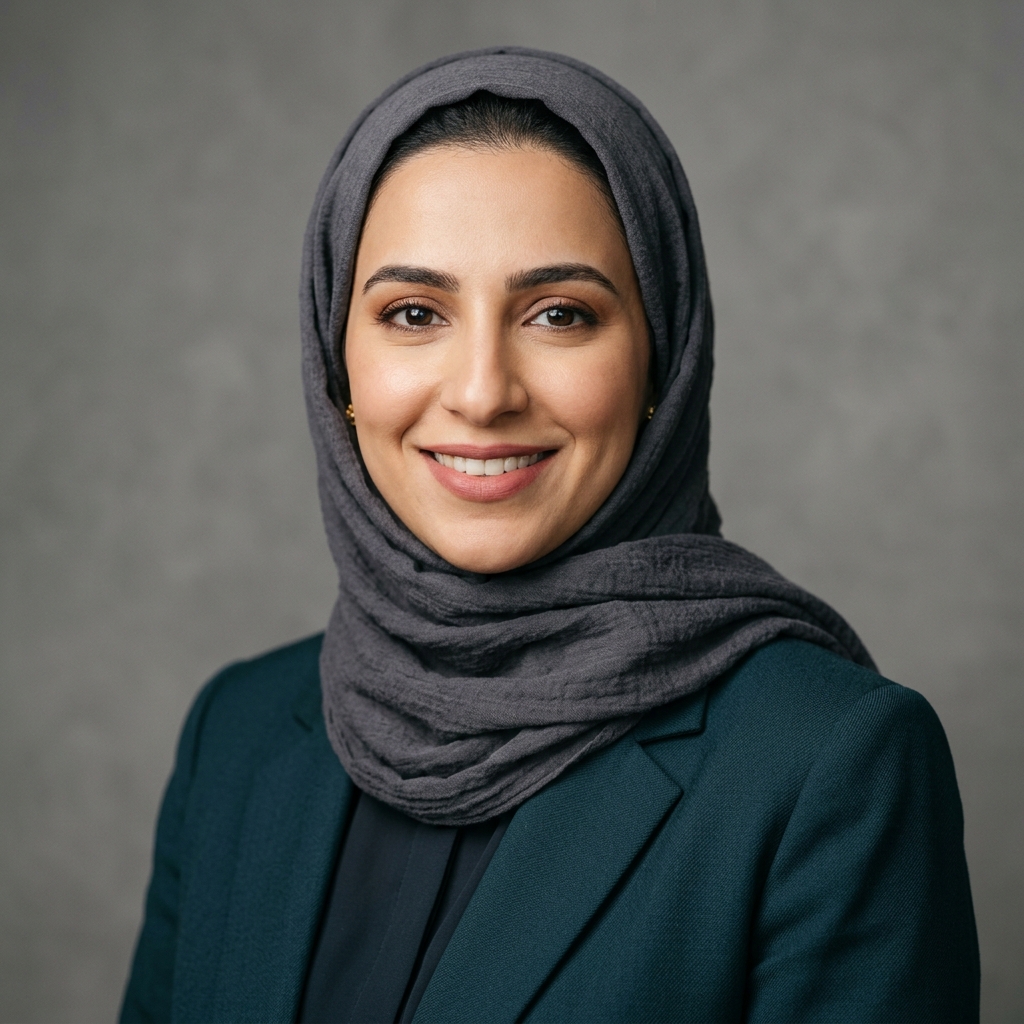
Yasmine Samir
columnist
Technology and culture correspondent covering AI, cybersecurity, and the intersection of Arab heritage with modern innovation. Yasmine holds a degree in Computer Science from Cairo University and has reported on tech ecosystems across the Middle East and Silicon Valley.


