How New Finds in Egypt's Deserts and Coastline Reveal Ancient Lives
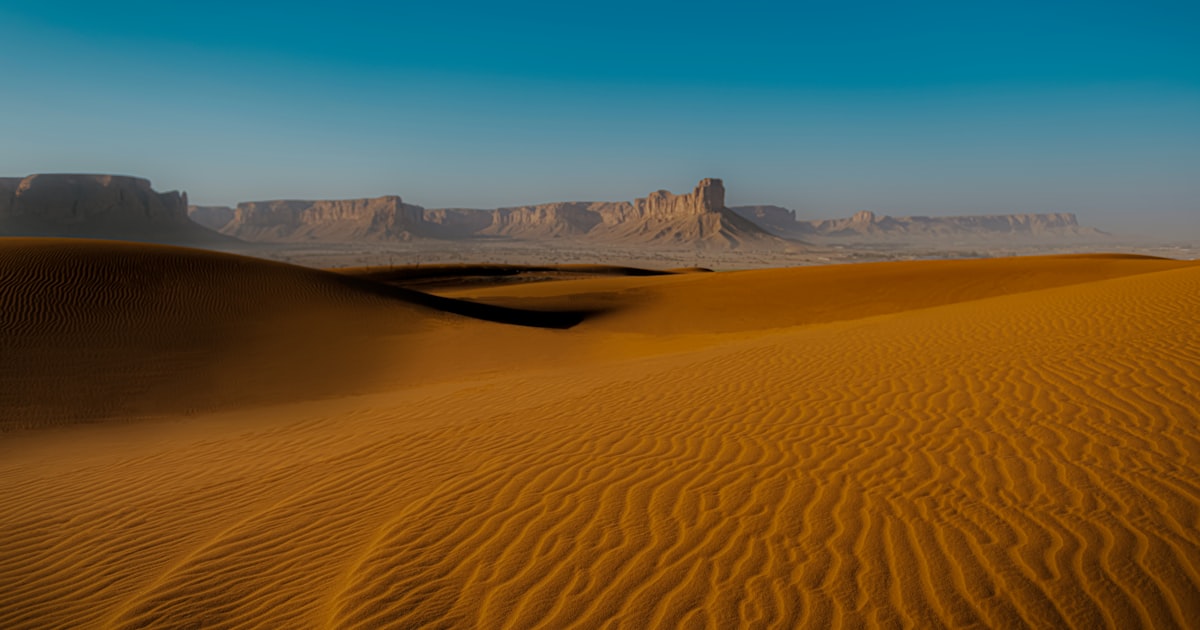
Imagine standing in Egypt's vast Western Desert, not just seeing sand, but picturing a bustling Byzantine city, now brought to light after centuries. Recent archaeological breakthroughs are offering unprecedented glimpses into the daily lives and burial traditions of ancient civilizations, reshaping our understanding of Egypt's rich, multifaceted past. These discoveries highlight how diverse cultures thrived across the land, far beyond the well-known pharaonic era.
📋 Key Facts
- Archaeologists uncovered a well-preserved Byzantine-era city in Egypt's Dakhla Oasis, dating back to the fourth century.
- The city reveals details of daily life, urban development, and economic activities during the Byzantine Empire.
- Separately, 18 ancient tombs were discovered at Marina el-Alamein, near Alexandria, showcasing links to the Hellenistic world.
- These finds include rock-cut and limestone tombs, pottery, and a granite sarcophagus, with some burial chambers untouched for millennia.
Unearthing a Byzantine City in the Western Desert
One of the most exciting recent finds is a well-preserved Byzantine-era city in Egypt's Dakhla Oasis, dating back to the fourth century. This ancient settlement reveals organized communities with residential and religious structures, including a basilica-style church. Archaeologists also uncovered coins, pottery fragments, and tools, painting a vivid picture of daily life more than a thousand years ago.
Unlike the grand monuments of ancient Egypt, discoveries like this show us the everyday side of history. They help researchers understand how ordinary people lived, traded, and adapted to the challenging desert environment. According to The Guardian, the unearthed quarters included north-south thoroughfares intersected by east-west streets, forming open squares and public spaces.
Coastal Tombs Link Egypt to the Hellenistic World
Meanwhile, along Egypt's northwestern Mediterranean coast, another significant discovery has emerged at Marina el-Alamein, near Alexandria. Here, archaeologists found 18 ancient tombs, including 11 rock-cut tombs and seven surface limestone-built tombs. These burial sites contained a wealth of artifacts, such as pottery vessels, amphorae, lamps, plates, altars, and even a granite sarcophagus with its original lid.
Many of these burial chambers were found sealed with stone slabs, remaining untouched since antiquity, which preserved valuable archaeological evidence. Sherif Fathy, Egypt's Minister of Tourism and Antiquities, highlighted the importance of these finds, stating they enhance understanding of Marina Alamein's cultural identity and historical significance. These discoveries shed light on the rich cultural links between ancient Egypt and the Hellenistic and Roman worlds.
Impact on Egyptian Americans
These new archaeological revelations offer a deeper connection to Egypt's diverse heritage, showing that its history is far from fully explored. For Egyptian Americans, these discoveries provide an opportunity to engage with a past that extends beyond the pharaohs, embracing the varied civilizations that shaped the region. It's a chance to see how everyday people lived and contributed to a vibrant cultural tapestry.
What's Next for Egypt's Unfolding History
The Ministry of Tourism and Antiquities is placing great emphasis on scientific excavation operations at sites like Marina el-Alamein, with plans to open them to visitors. This will create new cultural and tourist attractions, adding to Egypt's goal of attracting 30 million tourists by 2030. As archaeologists continue to explore, using modern technology alongside traditional methods, Egypt's sands promise to reveal even more secrets, connecting us further to a past that continues to unfold.
📋 Sources & References
- The Guardian — Report on Byzantine city and Marina el-Alamein tombs.
- CBS News — Details on recent archaeological finds in Egypt.
- HeritageDaily — Article on discoveries at Marina Alamein.
- Vertex AI Search — General overview of 2026 archaeological finds in Egypt.
columnist
Technology and culture correspondent covering AI, cybersecurity, and the intersection of Arab heritage with modern innovation. Yasmine holds a degree in Computer Science from Cairo University and has reported on tech ecosystems across the Middle East and Silicon Valley.


