Egyptian Pound Rallies 7% as Billions in New Funding Bolster Economy
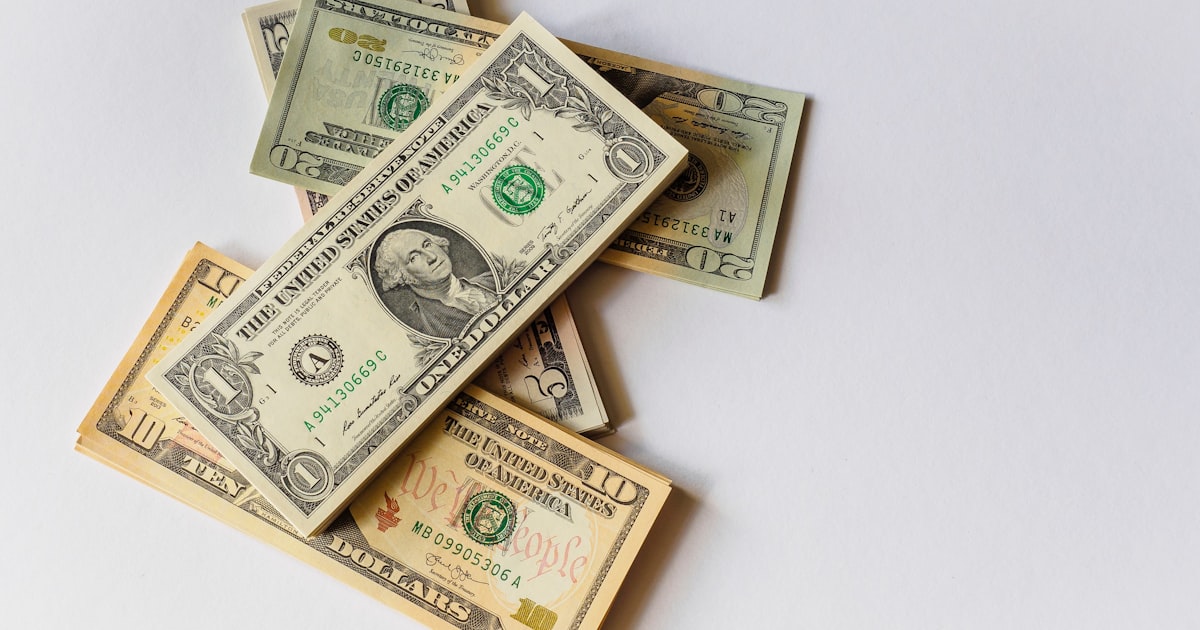
For many Egyptian families, the value of the Egyptian pound directly impacts their daily lives, from the cost of groceries to the value of remittances from abroad. This year, there's some welcome news: the Egyptian pound has recently appreciated by over 7% against the U.S. dollar, making it the world's best-performing currency in that period. This unexpected rally is a significant development, especially as Egypt continues to navigate regional challenges and push for economic stability.
How Egypt Reached This Economic Turning Point
Egypt's economy has faced its share of turbulence. The Egyptian pound hit a historic low in April 2025, reaching EGP 51.72 per dollar. This period of volatility prompted decisive action from the Central Bank of Egypt (CBE).
In March 2024, the CBE implemented landmark monetary reforms, including a flexible exchange rate regime. This move was crucial in restoring confidence in the national currency and laying the groundwork for more stable exchange rates throughout 2025.
Fast forward to February 2026, the International Monetary Fund (IMF) completed its combined fifth and sixth reviews of Egypt's Extended Fund Facility (EFF) arrangement, along with the first review under the Resilience and Sustainability Facility (RSF). This allowed Egypt to immediately draw about $2.3 billion, extending the EFF arrangement through December 15, 2026.
Where the Egyptian Economy Stands Today
Today, the Egyptian pound's performance is a bright spot. According to The Voice of Africa, the pound has appreciated by more than 7% against the U.S. dollar since early May, marking it as the strongest-performing currency globally during that time. This rally has pushed the currency above the 50-pound-per-dollar mark for the first time since March, signaling renewed investor confidence.
Inflation, a persistent concern, is also showing signs of easing. Annual urban inflation slowed to 14.6% in May 2026, down from 14.9% in April. The Central Bank of Egypt anticipates that headline inflation will converge toward its target range of 7% (±2 p.p.) by the fourth quarter of 2026.
While the Suez Canal has seen a significant drop in revenues—falling by about 70% from a record $10.25 billion in 2023 to between $3 billion and $4 billion in 2026 due to Red Sea disruptions—there's a partial rebound. April 2026 saw revenues rise to $419 million, driven partly by rerouted oil tankers. Meanwhile, foreign reserves have climbed to a record $52.8 billion.
Foreign direct investment (FDI) is also picking up, with Egypt attracting billions in sectors like energy, manufacturing, and information and communication technology (ICT). The government's decision to settle all international oil companies' (IOCs) arrears in June 2026 has further boosted investor confidence.
What's Next for Egypt's Economic Path
More financial support is on the horizon. Egypt recently reached a staff-level agreement with the IMF for the seventh review under the EFF and the second review under the RSF, which could unlock approximately $1.64 billion in new financing. Additionally, Egypt expects to receive €1.5 billion ($1.72 billion) from the European Union within days, part of a larger €7.4 billion support package, with another tranche anticipated by autumn.
The government's draft budget for the 2026/2027 fiscal year prioritizes human development, focusing on improving healthcare and education services, expanding social protection programs, and increasing real wages for state employees, according to Finance Minister Ahmed Kouchouk. The Suez Canal Authority forecasts revenues to rebound to roughly $8 billion in the 2026/2027 fiscal year, with IMF projections reaching $11.9 billion by 2029/2030 as regional tensions ease.
Impact on Egyptian Americans
For Egyptian Americans, these economic shifts in Egypt have tangible effects. The strengthening of the Egyptian pound means that remittances sent home will go further, providing more support to families in Egypt. Conversely, for those considering investments in Egypt, the improved stability and targeted growth in sectors like ICT and renewable energy present new opportunities. Economist Moustafa Badra noted that the shift to a flexible exchange rate “sends a clear signal to foreign investors that the currency is behaving naturally and can be trusted,” which is vital for attracting capital. Staying informed about these developments can help you make better financial decisions, whether it's supporting loved ones or exploring investment avenues back home.
📋 Sources & References
- The Voice of Africa — Report on Egyptian Pound's performance.
- International Monetary Fund (IMF) — Details on EFF and RSF reviews and disbursements.
- Hürriyet Daily News — Report on EU financial support to Egypt.
- The National — Analysis of Egyptian pound recovery and Suez Canal revenues.

author
Economy and public health reporter covering financial markets, Egyptian economic reforms, and healthcare access for immigrant communities. Bridges macroeconomic trends with their real-world impact on Arab American families.


