Health
5 min read
Insight — Arab American Mental Health: Stigma and Identity's Role

Data
In a 2021 study, a significant 60% of Arab American participants screened positively for depression, highlighting a critical need for culturally sensitive mental health support within the community. This statistic underscores the ongoing challenges many Arab Americans face in accessing and utilizing mental health services, often compounded by unique cultural factors and societal pressures.
📋 Key Facts
- 60% of Arab Americans in a 2021 study screened positively for depression.
- Arab Americans report higher mental illness stigma compared to non-Arabs.
- 34.7% of Arab American Muslims in one study linked depression to black magic or evil eye.
- Strong ethnic identity can buffer against discrimination-related anxiety and depression, especially for women.
By The Numbers: Understanding the Landscape
A recent study published in *Transcultural Psychiatry* in February 2026 revealed that Arab Americans reported higher average mental illness stigma compared to non-Arabs. This research also found that Arab Americans were more likely to rate psychiatric medications as addictive and unhelpful, and less likely to believe in a biological explanation for mental illness. Traditional beliefs also play a significant role. A pilot study assessing attitudes toward depression in Arab American Muslims indicated that 34.7% of respondents believed black magic or the evil eye could cause depression. This perspective often leads individuals to seek counsel from family or religious leaders rather than mental health professionals, as noted by the Depression and Bipolar Support Alliance. However, ethnic identity can offer a protective shield. Research from January 2026 in the *Journal of Community Psychology* found that a strong ethnic identity positively buffered against depression and anxiety linked to discrimination among Arab American adults, with a more pronounced effect for women. This suggests that a sense of belonging and community support can be a powerful mental health asset. Despite the elevated rates of mental illness, Arab Americans are less likely to report depression or seek professional help. This reluctance stems from cultural pressures to protect family honor, the pervasive stigma surrounding mental illness, and a notable scarcity of Arabic-speaking therapists and culturally competent care providers in the U.S.Why It Matters: Real Impact on Your Life
These statistics aren't just numbers; they reflect real struggles within our community. When mental health issues go unaddressed due to stigma or lack of access, they can severely impact individuals' well-being, family dynamics, and overall quality of life. The stress of acculturation, discrimination, and navigating a new society can exacerbate these challenges, leading to higher levels of anxiety and depression. As one young Arab American Muslim shared in a 2021 article, "I definitely felt shame and fear of seeking help — partially from the stigma surrounding mental health in Arab communities, but also because I never thought I was a person that needed mental help." This sentiment is common, preventing many from seeking the care they deserve.The Trend: A Shift Towards Culturally Responsive Care
There's a growing recognition within and outside the Arab American community about the critical importance of mental health. This awareness is fueling advocacy efforts and the development of more culturally appropriate resources. Organizations are increasingly focusing on providing services that respect cultural values and are delivered by professionals who understand the unique experiences of Arab Americans. Looking ahead, the upcoming inclusion of a Middle Eastern and North African (MENA) category in the U.S. census for 2030 is a significant step. This change is expected to improve data collection, leading to a clearer understanding of our community's health needs and enabling more targeted and effective mental health interventions.Impact on Egyptian Americans: Finding Support
For Egyptian Americans and other Arabic-speaking immigrants, navigating mental health can feel isolating. The good news is that dedicated resources are emerging. Organizations like ACCESS, AMENA-Psy, and the Arab-American Family Support Center offer culturally sensitive mental health services and directories of specialized therapists who understand our unique cultural context. When seeking support, prioritize providers who offer services in Arabic or demonstrate a strong understanding of Arab culture. Family therapy can also be a powerful tool, as it aligns with our collectivist values and can help address mental health challenges within a supportive family framework. The Arab American Mental Health Association (AAMHA) is also a valuable youth-based advocacy organization working to dismantle stigma and connect individuals with needed resources.📋 Sources & References
- Caldwell University — Mental Health Resources for Arab American, North African and Middle Eastern Students
- PubMed (Journal of Community Psychology) — The Effects of Ethnic Identity on Discrimination and Depression and Anxiety in a Sample of Arab American Adults
- Depression and Bipolar Support Alliance (DBSA) — Arab American Communities and Mental Health
- Transcultural Psychiatry — Mental Health Attitudes and Perspectives of Arab Americans: Beliefs Associated with Stigma, Treatment, and the Origins of Pathology
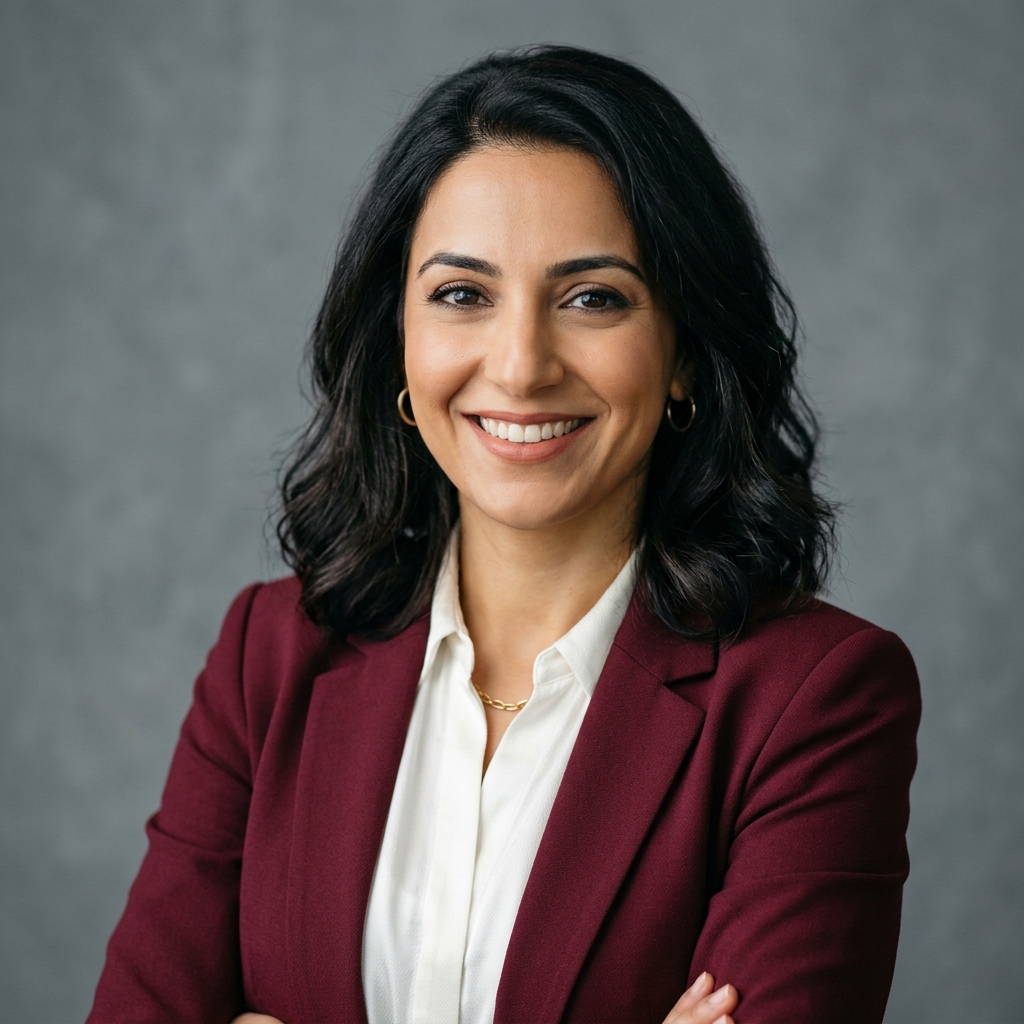
Fatima Ali
author
Economy and public health reporter covering financial markets, Egyptian economic reforms, and healthcare access for immigrant communities. Bridges macroeconomic trends with their real-world impact on Arab American families.


