Global Health Progress Stalls, WHO Warns of 2030 Target Reversals
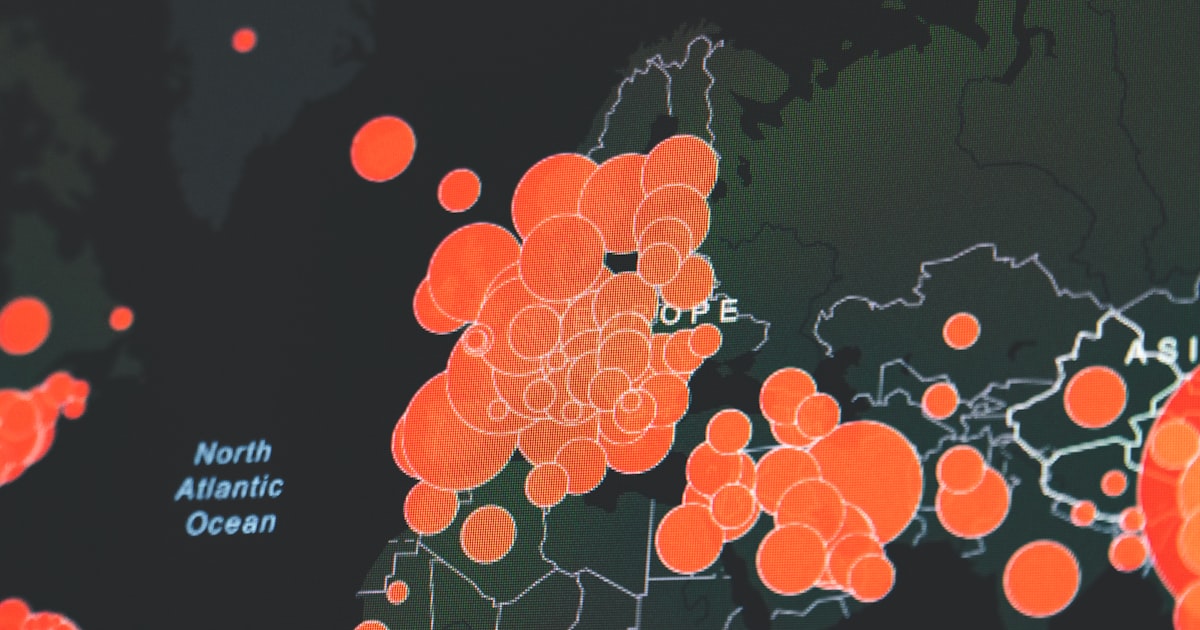
While we often hear about breakthroughs in medicine and global health initiatives, a new report from the World Health Organization (WHO) paints a starkly different picture. Despite significant efforts over the past decade, global health gains are not just slowing down; in some critical areas, they're actually reversing, putting the ambitious 2030 Sustainable Development Goals further out of reach.
📋 What to Know
- The WHO's World Health Statistics 2026 report indicates global health progress is uneven and slowing.
- Key health targets for 2030 are at risk, with some areas seeing reversals in progress.
- Urgent action and stronger health systems are needed to protect past gains and accelerate future progress.
- Persistent challenges include workforce shortages, funding gaps, and the impact of humanitarian crises.
The Alarming Reality of Stalled Progress
The World Health Statistics 2026 report, published by the WHO in May, delivers a sobering message: the world is falling short on its health targets. Progress is proving uneven, with some regions and populations benefiting far less than others.
This isn't just about slower improvement; it's about a genuine step backward in certain vital areas. The report emphasizes that without urgent action, the world will miss its health-related Sustainable Development Goals by 2030.
Underlying Challenges to Global Health
Several factors are contributing to this concerning trend. One major issue is the persistent shortage of healthcare workers globally, a problem exacerbated by burnout and an aging workforce. The McKinsey Health Institute estimates a shortfall of at least 10 million health workers by 2030, straining systems worldwide.
Humanitarian crises and conflicts also play a devastating role, overwhelming fragile health systems and diverting crucial resources. The WHO's 2026 emergency appeal sought nearly $1 billion to sustain life-saving interventions in 36 emergencies, highlighting the immense pressure on global health security.
Dr. Tedros Adhanom Ghebreyesus, WHO Director-General, recently stressed the critical need for international cooperation in the face of global threats. “The outbreaks of hantavirus, Ebola and Marburg all show why there is no alternative to international cooperation in the face of international threats: no country alone can fight,” he stated in July 2026.
Impact on Egyptian Americans and Arabic-Speaking Immigrants
For Egyptian Americans and other Arabic-speaking immigrants, these global health trends can have direct implications, especially for family members living abroad or communities affected by humanitarian crises. When health systems weaken globally, it can impact access to essential services, vaccinations, and disease prevention efforts in your home countries. Understanding these challenges can help you advocate for stronger international support and stay informed about health risks that might affect your loved ones.
What This Means for You
This report isn't just about distant statistics; it affects everyone. When global health systems are under strain, the risk of new outbreaks increases, and access to care for common diseases can diminish. It underscores why investing in public health, both locally and internationally, is so crucial for everyone's well-being.
Looking Ahead: A Call for Renewed Commitment
The WHO's findings are a clear call to action. Protecting the progress made and getting back on track for 2030 requires renewed political will, increased investment in primary healthcare, and a stronger focus on prevention. It means ensuring that every country has the resources and support to build resilient health systems capable of facing future challenges.
📋 Sources & References
- World Health Organization (WHO) — Global health gains face threat of reversal.
- UN News — WHO chief spotlights global health emergencies.
- Project HOPE — 6 Health Issues We're Watching in 2026.
- World Health Organization (WHO) — WHO's Health Emergency Appeal 2026.
author
Economy and public health reporter covering financial markets, Egyptian economic reforms, and healthcare access for immigrant communities. Bridges macroeconomic trends with their real-world impact on Arab American families.


