How Non-Communicable Diseases Are Reshaping Global Health
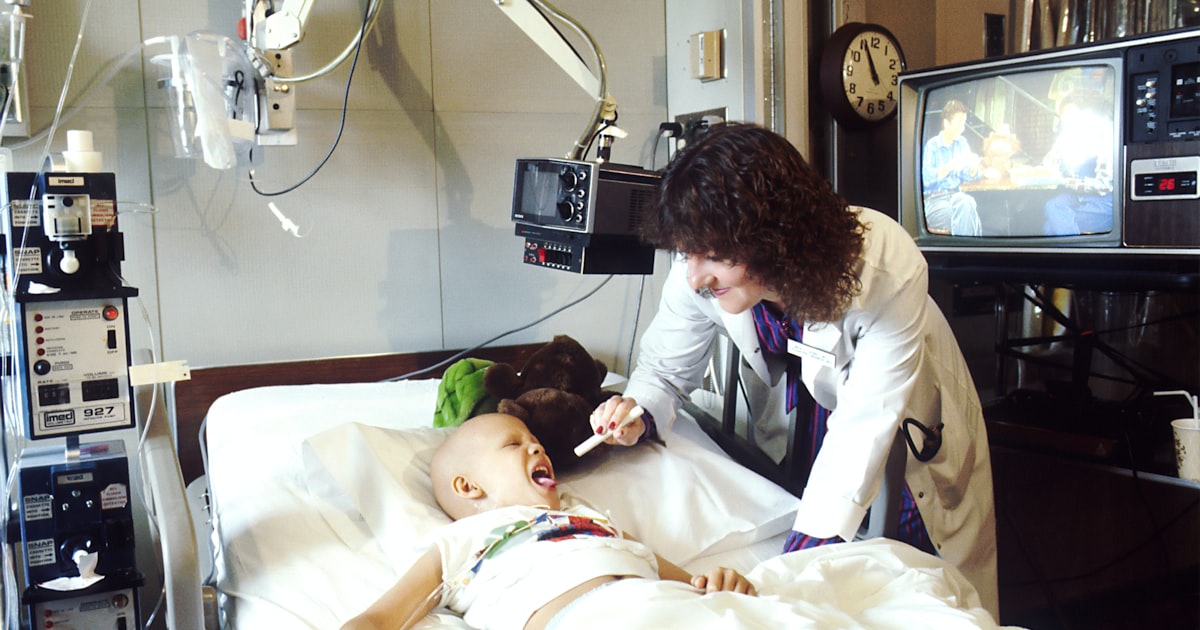
Did you know that non-communicable diseases (NCDs) are now responsible for the vast majority of deaths worldwide? It's a stark reality that 80% of all global deaths are attributed to conditions like heart disease, cancer, diabetes, and chronic respiratory illnesses. This isn't just a statistic; it's a profound shift impacting families, healthcare systems, and economies everywhere.
📋 What to Know
- Non-communicable diseases (NCDs) now cause 80% of all deaths globally.
- 18 million people under 70 die prematurely from NCDs each year, with 82% in low- and middle-income countries.
- The WHO projects NCDs to cost the global economy trillions by 2030 if trends continue.
- Integrated primary healthcare and lifestyle changes are crucial for prevention and management.
By the Numbers: The Escalating NCD Crisis
The World Health Organization (WHO) recently highlighted the alarming scale of this challenge. NCDs and mental health conditions now account for seven of the top ten causes of death globally. This means these long-term illnesses are cutting lives short more often than infectious diseases.
Every year, 18 million people under the age of 70 die prematurely due to NCDs. What's truly concerning is that a staggering 82% of these premature deaths occur in low- and middle-income countries, where healthcare resources are often stretched thin.
The economic toll is immense. The WHO estimates that an additional annual investment of just US$3 per person in tackling NCDs could generate economic benefits of up to US$1 trillion by 2030. Without urgent action, these diseases will continue to drain national budgets and household savings.
Looking ahead, the burden is only expected to grow. The number of new NCD cases in OECD countries is projected to increase by 31% between 2026 and 2050, even if current risk factors remain constant. This indicates a systemic challenge that goes beyond individual choices.
Why This Matters to You
This isn't just about distant countries; it affects everyone. When NCDs become widespread, they strain healthcare systems, making it harder for anyone to get timely care. For families, a chronic illness can mean lost income, high medical bills, and immense emotional stress.
As Dr. Tedros Adhanom Ghebreyesus, WHO Director-General, stated in May 2026, "NCDs and mental health conditions account for 80% of all deaths globally... These challenges are not abstract. They represent lives cut short, families under strain, and communities held back." This underscores how deeply these health issues impact our collective well-being and economic stability.
The Trend: A Call for Integrated Action
The trend is clear: NCDs are an escalating global health crisis, particularly in developing nations. However, there's a growing push for integrated solutions. The WHO and other global health bodies are advocating for stronger primary healthcare systems, better access to essential medicines, and policies that promote healthier lifestyles. The focus is shifting towards prevention and early detection, recognizing that a holistic approach is key.
Impact on Egyptian Americans: Health Action Steps
For Egyptian Americans, understanding this global trend is crucial. Many NCDs, like diabetes and heart disease, have a higher prevalence in certain communities, often linked to diet, lifestyle, and genetic predispositions. It's important to prioritize preventative care, including regular check-ups and screenings, which can catch issues early.
You can take practical steps by engaging with local community health centers that offer free or low-cost screenings for blood pressure, cholesterol, and blood sugar. Many cultural centers and mosques also host health awareness events that provide valuable information and resources. Don't wait for symptoms; proactive health management is your best defense against these widespread diseases.
📋 Sources & References
- World Health Organization (WHO) — WHO Director-General's remarks on NCDs and mental health (May 2026)
- World Health Organization (WHO) — Fact sheet on Noncommunicable diseases (June 2026)
- OECD — Report on the Health and Economic Benefits of Tackling Non-Communicable Diseases (April 2026)
- World Health Organization (WHO) — Report "Saving lives, spending less" (September 2025)

author
Economy and public health reporter covering financial markets, Egyptian economic reforms, and healthcare access for immigrant communities. Bridges macroeconomic trends with their real-world impact on Arab American families.


