WHO Faces Funding Crisis Amid Rising Global Health Threats
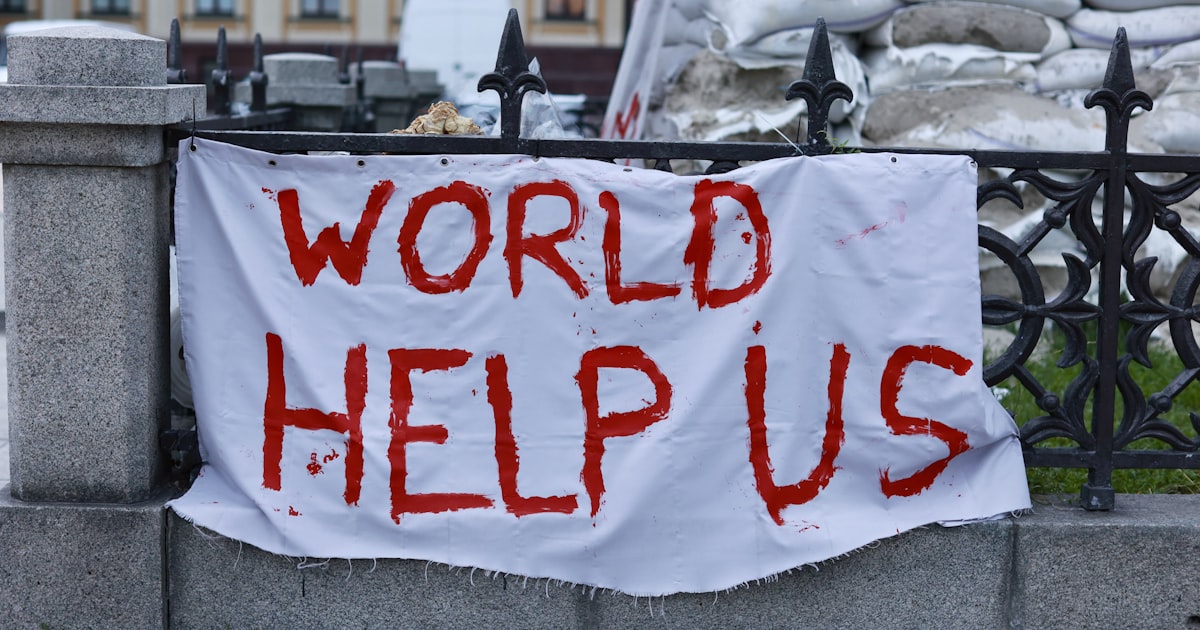
While medical science continues to make incredible strides, the stark reality is that basic funding for global health security remains a critical challenge. The World Health Organization (WHO) recently launched an urgent appeal for nearly $1 billion for 2026, aiming to sustain life-saving health interventions across the globe. This comes at a time when humanitarian crises are escalating, leaving millions vulnerable and health systems stretched thin.
WHO's Urgent Call for Global Health Funds
The WHO's 2026 global appeal highlights a dire situation: severe funding constraints are disrupting over 6,600 health facilities worldwide, cutting off care for more than 53 million people. In 2026 alone, an estimated 239 million individuals will require humanitarian assistance, underscoring the immense pressure on global response capacities. These funds are crucial for addressing 36 emergencies, including 14 classified as Grade 3 crises – the highest organizational response level – in regions grappling with protracted conflicts and outbreaks.
One pressing example is the rapidly expanding Ebola outbreak in the Democratic Republic of Congo (DRC). As of early July 2026, the country has reported 1,406 confirmed cases and 438 deaths, with a concerning spike in child infections. Despite the successful containment of the hantavirus outbreak, the Ebola crisis demonstrates how quickly infectious diseases can overwhelm fragile health systems without sustained support.
Securing Our Future: The Pandemic Agreement
Beyond immediate crises, global leaders are also racing to finalize a crucial international agreement aimed at preventing future pandemics. Member States of the WHO are continuing negotiations on the Pathogen Access and Benefit Sharing (PABS) system, a vital component of the WHO Pandemic Agreement. This system is designed to ensure equitable access to essential tools like vaccines, therapeutics, and diagnostics during future health emergencies.
WHO Director-General Dr. Tedros Adhanom Ghebreyesus has repeatedly stressed the urgency, stating, "The next pandemic or major global health emergency is not a question of if, but when." The goal is to present a completed agreement to the United Nations High-Level Meeting on Pandemic Prevention, Preparedness and Response in 2026, replacing the current crisis-driven approach with clear, stable rules for global cooperation.
Impact on Egyptian Americans and the Global Community
You might wonder how these global health challenges affect you and your family here in the U.S. Infectious diseases don't respect borders. An outbreak anywhere can quickly become a threat everywhere, impacting travel, trade, and even the health of your loved ones, especially those with family still living in regions affected by these crises. Strong global health systems act as a first line of defense for everyone. The lack of funding for WHO's emergency appeals means that vulnerable populations, often in countries with strong ties to immigrant communities, suffer disproportionately. This can lead to greater instability and wider health risks that eventually reach all corners of the world.
📌 What you should do
- Stay Informed: Follow updates from reputable sources like the WHO and CDC on global health developments.
- Support Global Health Initiatives: Consider supporting organizations that work to strengthen health systems and provide humanitarian aid in crisis-affected regions.
- Advocate for Preparedness: Encourage your elected officials to support robust funding for international health security and pandemic preparedness efforts.
The ongoing negotiations for the Pandemic Agreement and the urgent funding needs highlighted by the WHO are not just abstract international issues. They directly influence our collective ability to prevent, detect, and respond to health threats that could impact your family's well-being and the stability of communities worldwide. Investing in global health security today is an investment in a safer, healthier future for all of us.
📋 Sources & References
- World Health Organization (WHO) — WHO's 2026 Global Appeal for Health Emergencies
- UN News — WHO chief spotlights global health emergencies, including Ebola and Pandemic Agreement negotiations
- Health Policy Watch — Report on the critical need to complete the Pandemic Agreement
- George W. Bush Presidential Center — Global health update discussing infectious diseases and American security
author
Economy and public health reporter covering financial markets, Egyptian economic reforms, and healthcare access for immigrant communities. Bridges macroeconomic trends with their real-world impact on Arab American families.


