Do Recent Appointments Signal a New Era for Arab American Influence?
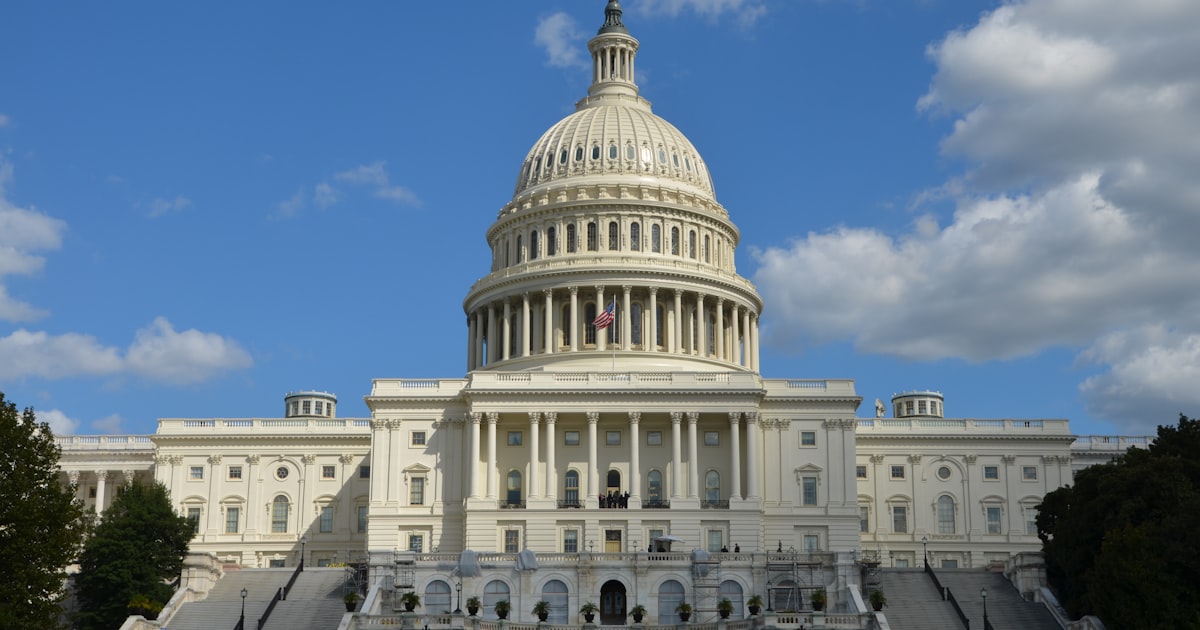
While the Trump administration made headlines with a notable number of Arab American appointments to senior federal positions, the community simultaneously grapples with stalled nominations and the enduring impact of foreign policy on domestic recognition. This complex dynamic highlights a period of both significant progress and persistent challenges for Arab Americans in the U.S. political landscape.
The past couple of years have seen a fascinating push and pull. On one hand, the Biden administration launched a groundbreaking initiative to combat hate, while on the other, the Trump administration brought more Arab Americans into high-level roles than ever before. Yet, these advancements don't always translate into smooth sailing for the community's broader political aspirations.
High-Profile Appointments and Legislative Momentum
The Trump administration, in its second term, appointed several Arab Americans to prominent federal roles. Dr. Janette Nesheiwat was nominated as U.S. Surgeon General, and Dr. Marty Makary was tapped to head the U.S. Food and Drug Administration (FDA). Additionally, Massad Boulos was nominated as Senior Adviser on Arab, Middle East Affairs, and Africa. These appointments marked a significant step forward for representation, exceeding previous administrations, according to the American-Arab Anti-Discrimination Committee (ADC).
Beyond appointments, legislative efforts continue to gain traction. In December 2024, the Biden administration unveiled the first-ever U.S. National Strategy to Counter Islamophobia and Anti-Arab Hate, outlining over 100 steps to curb hate, violence, bias, and discrimination. This initiative aims to increase awareness, improve safety, and tackle discrimination against Muslim and Arab Americans. Furthermore, Congresswoman Rashida Tlaib, alongside other representatives, introduced the Health Equity and Middle Eastern and North African (MENA) Community Inclusion Act in December 2025. This legislation seeks to ensure MENA communities are accurately recognized by the federal government, making them eligible for targeted minority public health programs and resources. Efforts to officially recognize April as Arab American Heritage Month through congressional resolutions also persist.
Navigating Setbacks and Shifting Allegiances
Despite these gains, the path to full political integration is not without its obstacles. A notable example is the stalled nomination of Amer Ghalib, mayor of Hamtramck, whom former President Trump nominated to be the U.S. ambassador to Kuwait. His nomination faced opposition from Trump's fellow Republicans, leaving him still in his mayoral role. This incident highlights the fragility of political alliances and the internal challenges that can arise even when a community member is put forward for a high-profile position.
The frustration within the community is palpable. Bishara Bahbah, chairman of Arab Americans for Trump, expressed the difficulty this creates, stating, “It's hard for me to try and convince the community to vote again Republican in 2026 and 2028 with this kind of an atmosphere”. This sentiment underscores how foreign policy decisions, particularly concerning the Middle East, continue to deeply influence Arab American political engagement and can lead to shifts in voter support.
Impact on Egyptian Americans and Future Engagement
For Egyptian Americans, these political developments directly affect how our community is perceived and included in federal programs and policy discussions. The recognition of Arab American heritage and the fight against Islamophobia are crucial for fostering a sense of belonging and ensuring equitable access to resources.
It's vital for us to remain civically engaged, advocating for policies that ensure fair representation and actively combat discrimination. Organizations like the American-Arab Anti-Discrimination Committee (ADC) and the National Network for Arab American Communities (NNAAC) offer valuable resources and platforms for advocacy, helping to amplify our collective voice. Remember, local and state-level engagement is just as important as federal efforts in building lasting political influence.
As Amal David, co-founder of the Arab America Foundation, put it during an April 2026 celebration of Arab American Heritage Month, “We want to be joyful. We want to say we stand tall.” This perfectly captures the community’s desire for celebration and recognition, even as they continue to push for greater equity and understanding in the American political landscape.
📋 Sources & References
- Masry US — Report on Arab American political clout and White House signals.
- Arab News — Article on Trump's initial Arab American cabinet nominations.
- American-Arab Anti-Discrimination Committee (ADC) — Statement on Arab Americans in the Trump Administration.
- White House Press Release — Announcement of the U.S. National Strategy to Counter Islamophobia and Anti-Arab Hate.
- Congresswoman Rashida Tlaib's Office — Press release on the Health Equity and MENA Community Inclusion Act.
- Associated Press via abc10.com — Report on Trump's failed bid to elevate an Arab American ally.
- National Network for Arab American Communities (NNAAC) — Information on advocacy and civic engagement programs.
editor
Senior political analyst covering the Middle East and North Africa. With over 15 years of experience in international affairs, Nour specializes in U.S. immigration policy, diplomatic relations, and political developments across the MENA region. Previously contributed to Al Jazeera English and Middle East Eye.


