Politics
5 min read
Egypt's Economic Balancing Act: State Control Meets Public Needs

Data
Nearly three-quarters of Egyptians, a striking 72%, currently describe the nation's economy as bad or very bad. This widespread sentiment highlights the significant economic pressures many families are facing, with 60% identifying the economy as the country's most urgent challenge.
📋 What to Know
- Nearly three-quarters of Egyptians, or 72%, describe the current economic situation as bad or very bad.
- Inflation has significantly cooled, dropping from a peak of 38% in September 2023 to 12.2% by June 2026.
- President Sisi recently ordered a 15% increase in national pension payouts, effective July 1, 2026.
- Despite calls from the IMF to reduce state dominance, Egypt has expanded the powers of the state-run Future of Egypt Authority in strategic economic sectors.
By the Numbers: Navigating Economic Headwinds
Public opinion data from the Arab Barometer reveals that the rising cost of living is the top economic concern for 45% of Egyptians, followed by a lack of jobs at 17% and poverty at 16%. This shows you just how much daily expenses are weighing on people's minds. On a more positive note, Egypt has seen a significant slowdown in its annual inflation rate. It dropped to 12.2% in June 2026, a substantial improvement from its peak of around 38% in September 2023. The Central Bank of Egypt is actively working to bring inflation further down, targeting a 5-9% range in the second half of 2026. To help ease the burden on citizens, President Abdel Fattah El-Sisi issued a decree expanding national pension payouts by 15%, effective July 1, 2026. This move aims to improve living standards for retirees and provide a much-needed boost to vulnerable households. The government is also setting ambitious economic targets, aiming for 5.4% economic growth in the 2026-2027 fiscal year. This growth is expected to be supported by continued structural reforms and efforts to attract both domestic and foreign investment, according to a report by TV BRICS. However, there's a notable trend in the government's approach to the economy. Despite ongoing recommendations from the International Monetary Fund (IMF) to reduce the state's role, Egypt's parliament recently approved legislation that significantly expands the powers of the state-run Future of Egypt Authority. This authority now oversees strategic sectors like agriculture, commodity imports, and investment, signaling a continued reliance on powerful state-backed institutions to drive economic development.Why It Matters: Stability and Daily Life
These economic shifts directly impact your family's finances and overall stability. When inflation cools, your money goes further, and a pension hike can provide crucial relief for older family members. However, the government's continued strong hand in the economy, even as it seeks private investment, creates a unique dynamic. As the Arab Barometer survey highlights, many Egyptians prioritize practical outcomes: "Around seven in 10 Egyptians say the type of political system matters less if economic problems are solved (71%) and stability is maintained (68%)." This tells you that for many, tangible improvements in daily life are paramount.The Trend: Balancing Control and Growth
The trend in Egypt's political economy shows a delicate balancing act. The government is focused on maintaining stability and delivering social support while simultaneously pursuing economic growth through a mix of private sector engagement and expanded state control. This approach aims to consolidate gains from recent stabilization programs, but its success will depend on how effectively it translates macroeconomic improvements into better living standards for all Egyptians.Impact on Egyptian Americans
For Egyptian Americans, these developments can have a direct impact on your financial connections to Egypt. The stabilization of the Egyptian pound, which saw a 7% rebound since early May 2026, means more predictable exchange rates for remittances. This makes your financial support to family back home more stable and potentially more impactful. The government's push for investment, even with state involvement, could also create new opportunities if you're considering business ventures or investments in Egypt's evolving economy. Always consult with financial advisors specializing in international investments to understand the specific regulations and potential risks.📋 Sources & References
- AWS Outlook 2026 — Overview of Egypt's political and macroeconomic outlook.
- TV BRICS — Report on Egypt's economic growth targets and fiscal policy priorities.
- Is Egypt's Economy Turning a Corner in 2026? — Article on inflation, remittances, and investment incentives.
- Business Insider Africa — Report on Egypt strengthening state-run economic authority.
- Arab Barometer Factsheet 2026 — Public opinion survey on economic pressures and governance in Egypt.
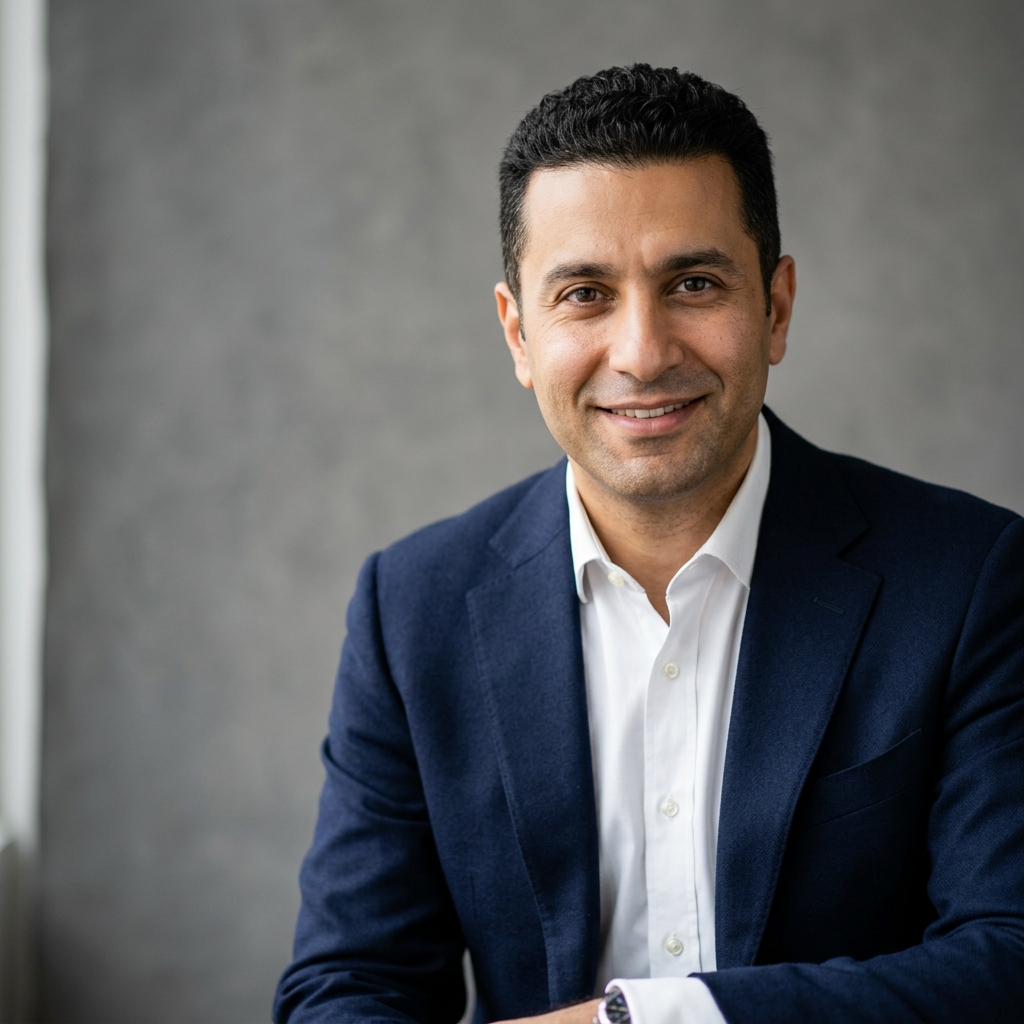
Nour El-Din
editor
Senior political analyst covering the Middle East and North Africa. With over 15 years of experience in international affairs, Nour specializes in U.S. immigration policy, diplomatic relations, and political developments across the MENA region. Previously contributed to Al Jazeera English and Middle East Eye.


