Will Egypt's new economic plan truly empower its private sector?
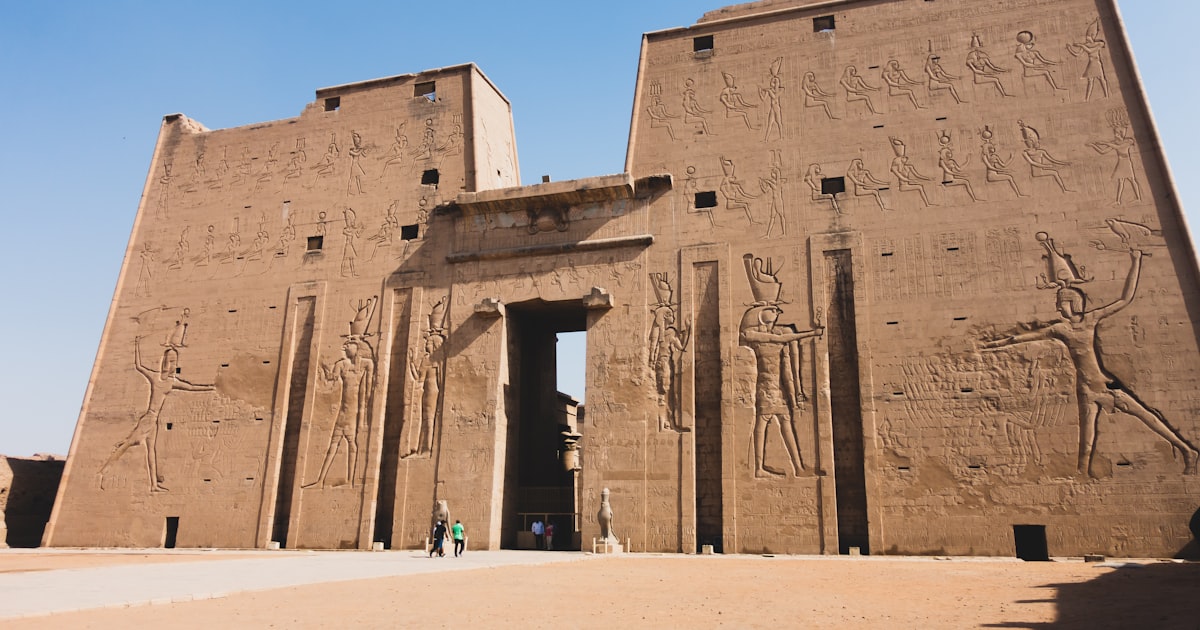
President Abdel Fattah El-Sisi recently unveiled a comprehensive national economic program, set to launch after Egypt concludes its current agreement with the International Monetary Fund (IMF) in June 2026. This ambitious plan aims to pivot the nation's economy from mere stabilization towards sustainable growth, with a significant focus on empowering the private sector.
📋 What to Know
- Egypt is preparing a new national economic program to follow its current IMF agreement.
- The plan prioritizes shifting from economic stabilization to sustainable, private sector-led growth.
- President Sisi has directed the government to accelerate its exit from various economic activities.
- New directives aim to simplify procedures for small and medium-sized enterprises (SMEs) and combat corruption.
Shifting Gears: From Stabilization to Sustainable Growth
For years, Egypt's economic strategy has largely centered on macroeconomic stabilization, often supported by international lenders like the IMF. Now, the government is signaling a strategic shift. The upcoming program is designed to foster long-term, self-sustained growth, moving beyond the immediate challenges of inflation and foreign currency shortages.
This new direction includes a clear directive from President Sisi to accelerate the state's withdrawal from various economic activities. The goal is to create more space for private businesses to thrive, reducing government competition and fostering a more dynamic market environment.
Empowering the Private Sector and Enhancing Governance
A cornerstone of this new economic vision is the empowerment of Egypt's private sector. President Sisi has specifically called for the restructuring of the Small and Medium Enterprises (SME) Agency, aiming to simplify procedures and focus on productive activities. This move is critical, as SMEs are often seen as the backbone of job creation and innovation in any economy.
Beyond structural changes, the plan also emphasizes decisive action against corruption and a commitment to enhancing governance and accountability. The government intends to expand digital transformation efforts to safeguard public funds, creating a more transparent and efficient business climate. As President Sisi stated during the inauguration of the State Strategic Command, the plan aims to "shift the economy from stabilisation to sustainable growth" and "empower the private sector."
Impact on Egyptian Americans
For Egyptian Americans, these policy shifts in Cairo could open new avenues. A more robust and private sector-driven economy in Egypt could mean increased opportunities for investment, trade, and even entrepreneurship for those looking to connect with their homeland. If the government successfully reduces bureaucracy and fosters a competitive environment, your family and friends in Egypt might see more job opportunities and a higher quality of life, potentially influencing remittance patterns or even encouraging skilled professionals to consider returning.
Looking Ahead: The Road to Implementation
The success of this ambitious program hinges on its implementation. As Egypt moves towards a post-IMF economic landscape, the focus will be on how quickly and effectively these directives translate into tangible reforms on the ground. Watch for concrete steps in privatization, simplification of business regulations, and measurable improvements in governance. These will be key indicators of whether Egypt can truly unlock its private sector potential and achieve sustainable growth for its citizens.
📋 Sources & References
- Daily News Egypt — Report on President Sisi's outline of the post-IMF economic plan.
- Why Egypt? (Google Search Snippet) — Overview of Egypt's investment climate and economic reform program.
- Egypt - Investment Climate Statement - International Trade Administration — Details on Egypt's efforts to attract FDI and business climate reforms.

editor
Founder and Editor-in-Chief of Masry US. Egyptian-American journalist covering U.S. immigration policy, community affairs, and cross-cultural stories. Mo oversees editorial direction and ensures every story serves the Egyptian and Arab diaspora with accuracy and relevance.


