Sisi's New Mandate: Navigating Egypt's Complex Path

Cairo's political landscape is abuzz as President Abdel Fattah El-Sisi embarks on his new term, following a decisive re-election that underscored a public mandate for continued stability and economic reform. This period is critical, with the Egyptian government facing a confluence of persistent economic challenges and complex regional dynamics. The capital city remains the nerve center for policy formulation, as Sisi's administration prepares to implement its vision for a more resilient and prosperous Egypt.
A primary focus for the government under Sisi's leadership is the intensified push for economic restructuring. This includes an unwavering commitment to attracting foreign direct investment, streamlining bureaucratic processes, and expanding the role of the private sector in key industries. Efforts to manage inflation, stabilize the currency, and tackle the national debt are paramount, with recent agreements and ongoing dialogues with international financial institutions shaping the policy agenda. These reforms, though essential for long-term growth, often entail short-term pressures on the populace, necessitating careful policy calibration by the government.
Beyond economics, Egypt politics under Sisi’s new mandate will also prioritize national security and social cohesion. Given the volatile regional environment, maintaining internal stability remains a cornerstone of the government's strategy. This involves robust counter-terrorism efforts and a continued emphasis on large-scale infrastructure projects aimed at job creation and improving living standards. The challenge for Cairo is to balance the imperatives of economic austerity with the need for social welfare programs, ensuring that the benefits of reform eventually trickle down to all segments of society, reinforcing the state's legitimacy and public support.
📋 Sources & Official Resources
- White House — Executive orders, policy briefings, and official statements
- Congress.gov — Bill tracking, voting records, and committee reports
- AP News — Wire reporting and fact-checked political coverage
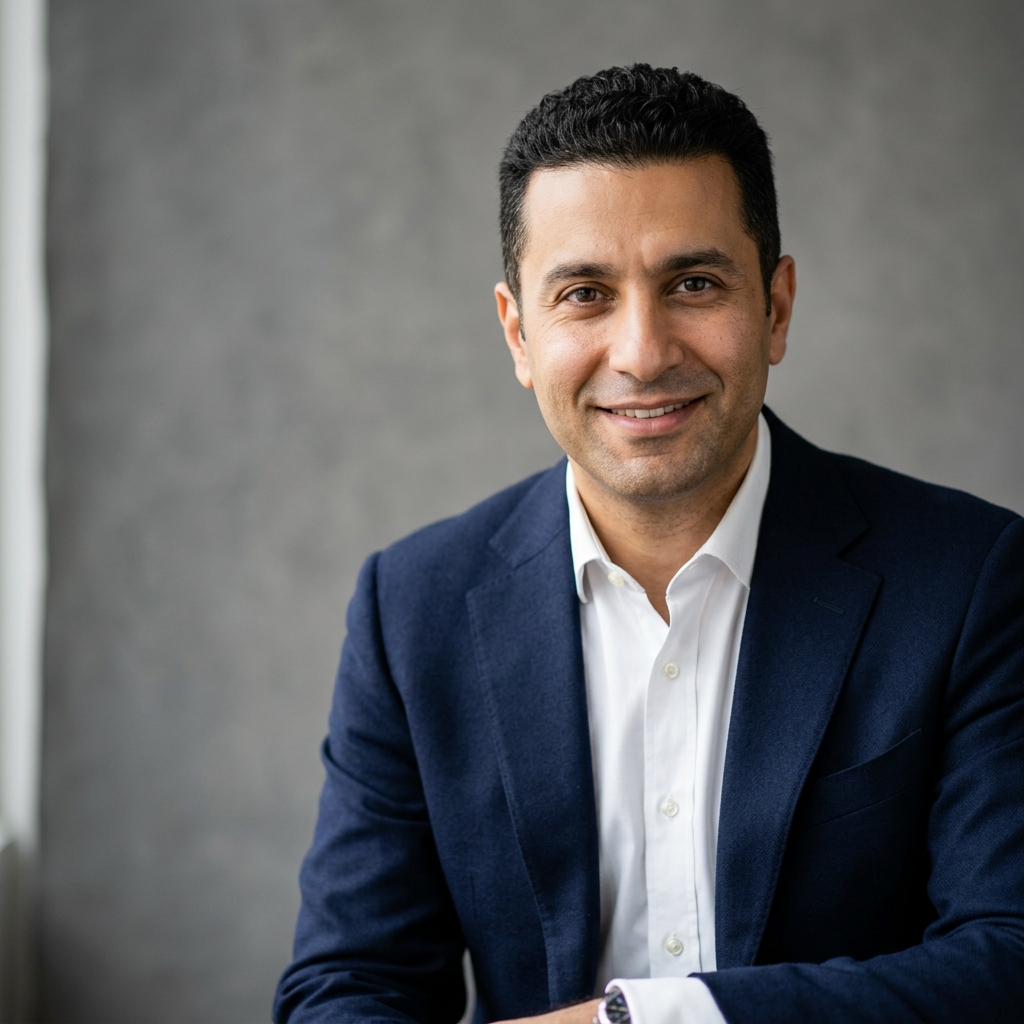
editor
Senior political analyst covering the Middle East and North Africa. With over 15 years of experience in international affairs, Nour specializes in U.S. immigration policy, diplomatic relations, and political developments across the MENA region. Previously contributed to Al Jazeera English and Middle East Eye.


