White House appointment draws mixed response from Arab American community
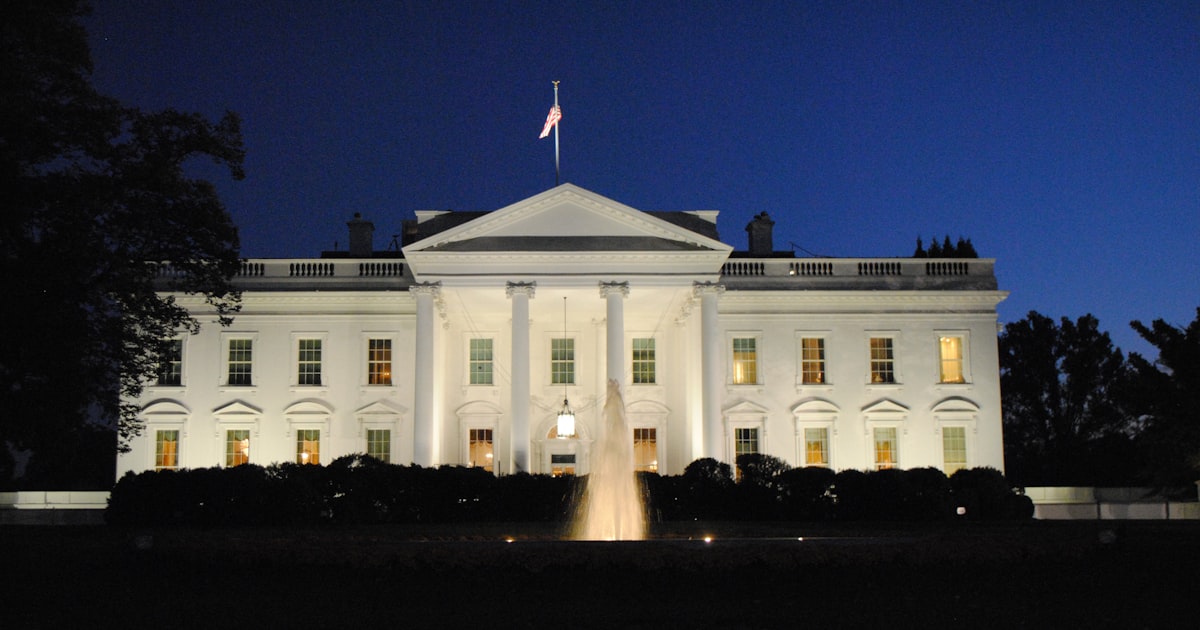
In 2024, something unexpected happened: many Arab Americans, traditionally a Democratic stronghold, shifted their votes, giving a surprising boost to Donald Trump. But just months later, a key White House nomination has left many feeling betrayed and questioning where their political loyalties truly lie.
The Unexpected Alliance of 2024
For decades, Arab and Muslim Americans leaned heavily Democratic, especially after 9/11. But by 2024, many felt neither party truly addressed their core concerns, particularly regarding U.S. foreign policy in Gaza. This disillusionment led to a seismic shift: a September 2024 poll by the Arab American Institute found the community evenly split between Republicans and Democrats for the first time ever.
This wasn't just talk. In Michigan, a crucial swing state with a large Arab American population, thousands voted "uncommitted" in the Democratic primary as a protest. Donald Trump even won Dearborn, a city where nearly half the residents are of Arab descent, securing strong support from the community. He credited Hamtramck Mayor Amer Ghalib with helping him make these inroads.
Why This Nomination Fell Apart
As a reward for his support, Trump nominated Amer Ghalib to serve as U.S. ambassador to Kuwait. It seemed like a clear signal of recognition for the Arab American community's growing political influence. But Ghalib isn't heading to Kuwait. His nomination stalled in Congress due to opposition from Trump's own Republican party.
The scrutiny Ghalib faced was intense, with some senators questioning his past views, including his description of former Iraqi leader Saddam Hussein as a martyr. While no vote was taken, the Republican opposition effectively doomed his chances. Ghalib himself has since stated he's "not interested in it anymore."
The Real Cost of Political Promises
This unraveling has deeply exacerbated tensions between Republicans and the Arab American community. Bishara Bahbah, who chaired Arab Americans for Trump, expressed the widespread disappointment. "It's hard for me to try and convince the community to vote again Republican in 2026 and 2028 with this kind of an atmosphere," he said.
"It's hard for me to try and convince the community to vote again Republican in 2026 and 2028 with this kind of an atmosphere."
Here is the reality: you put your trust and your vote into a candidate, hoping for representation and a voice. Then, when a key figure from your community is put forward for a significant role, that very party blocks the appointment. It feels like a slap in the face, undermining the very idea of political partnership.
What This Means for Your Vote Next
This incident isn't just about one nomination; it's about the perceived value of Arab American political engagement. While the Trump administration did appoint other Arab Americans to senior positions, the Ghalib situation has left a bitter taste. It raises a crucial question for you, the voter: will the Republican Party truly deliver on its promises to the Arab American community, or will these alliances remain fragile?
What matters now is, how will this disappointment shape Arab American voting patterns in the upcoming midterm elections and beyond?
📋 Sources & Official Resources
- White House — Presidential actions and administration policy
- Congress.gov — Legislative text, amendments, and congressional actions
- AP News — Independent reporting on US politics and elections
editor
Senior political analyst covering the Middle East and North Africa. With over 15 years of experience in international affairs, Nour specializes in U.S. immigration policy, diplomatic relations, and political developments across the MENA region. Previously contributed to Al Jazeera English and Middle East Eye.


