Why Egypt's historic football clubs might soon look very different


For decades, Egyptian football was defined by passionate, fan-owned clubs, the heart and soul of communities across the nation. But today, a quiet revolution is brewing behind the scenes that could fundamentally reshape the league you know and love.
⚡ Key Takeaways
- Discussions are underway for potential mergers or strategic partnerships between traditional Egyptian clubs and corporate entities.
- This strategic shift aims to combat financial instability and declining stadium attendance in the Egyptian Premier League.
- In the 2025-2026 season, only 27.7% of top-flight clubs were fan-owned, highlighting a significant shift towards corporate backing.
- The ultimate goal is to boost the league's commercial appeal and ensure the long-term viability of historic teams.
The Silent Crisis Facing Your Favorite Teams
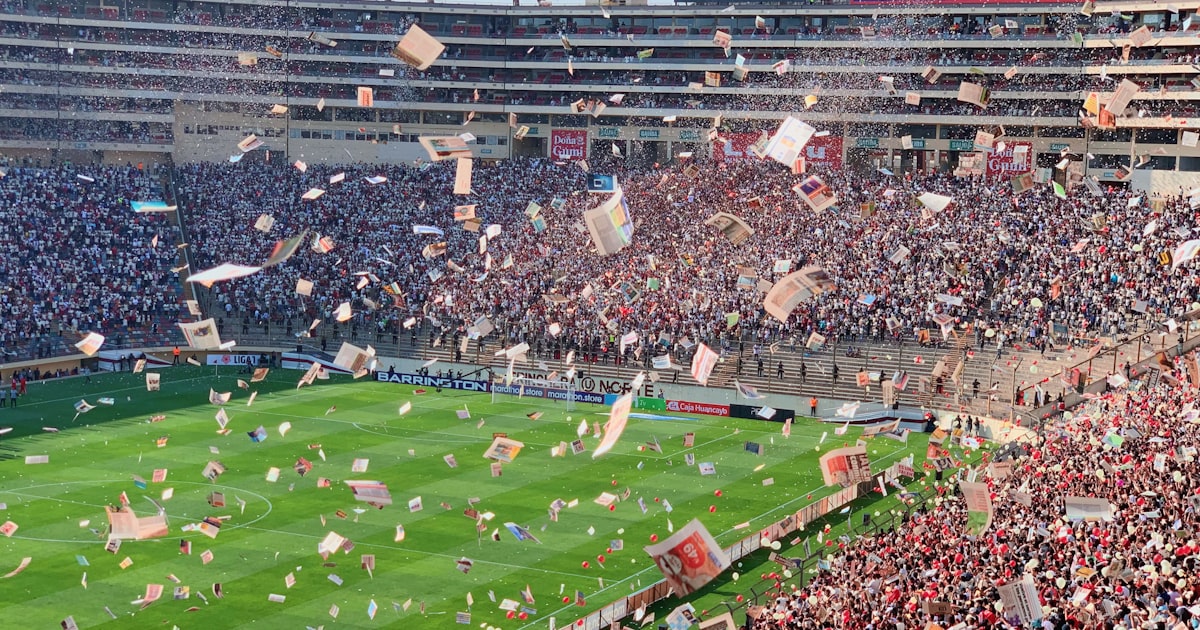
Picture this: stadiums with empty seats, and beloved clubs struggling to keep their heads above water financially. That's the stark reality many traditional Egyptian Premier League teams are facing right now. For years, the financial landscape of Egyptian football has been shifting, with corporate-backed teams gaining a significant edge. This has left many historic, fan-owned clubs struggling to compete, both on and off the pitch.
More Than Just Mergers: A New Era for Egyptian Football
So, what's the solution being floated? It's not just about simple mergers. We're talking about strategic partnerships between these traditional clubs and corporate entities. Think of it as pairing the rich history and passionate fan base of a club like Ismaily SC with the financial muscle of a company. Ahmed Diab, President of the Egyptian Professional Clubs Association, clarified that these are "closer to strategic partnerships than outright mergers." This isn't just a fleeting idea; it's a response to a clear and urgent need.
"In the 2025–2026 season, fan-owned clubs make up just 27.7% of the topflight. The remaining 72.3% are backed by companies, state institutions, or corporate entities."
This statistic alone tells you everything you need to know about the changing face of the league. The goal is to solve three major problems: financial instability, declining attendance, and the league's overall market value.
What This Means for the Heart of the Game
For you, the fan, this could mean a more stable and competitive league, with your favorite teams having the resources to thrive. Imagine seeing your club invest in better facilities, attract top talent, and deliver a more engaging matchday experience. ZED FC, for example, recently partnered with a UK-based consultancy to redefine their fan experience, focusing on youth, community, and digital transformation. This kind of innovation could become the norm. But here's the part nobody's talking about: how do these partnerships maintain the unique identity and community spirit that makes Egyptian football so special? The discussions are still evolving, with examples like Mansoura and the National Bank exploring ways to ensure the club's name and identity remain unchanged.
The real question is, can Egyptian football evolve to secure its financial future and competitive edge without losing the very soul and fan-driven passion that makes it so special?