Sports
4 min read
World Cup 2026 Redefines Global Football with Expanded Format

Report
The FIFA World Cup 2026, co-hosted by Canada, Mexico, and the United States, concluded with Spain lifting the trophy on July 19, 2026, marking a historic tournament that saw the competition expand to an unprecedented 48 teams. This expansion brought significant changes to the qualification process and the tournament structure itself, offering more nations a chance on football's biggest stage.
📋 What to Know
- The 2026 FIFA World Cup expanded to 48 teams, up from 32, hosted across 16 cities in North America.
- Spain defeated Argentina in the final on July 19, 2026, at New York New Jersey Stadium.
- The new format included 12 groups of four teams and a new Round of 32, increasing total matches to 104.
- A record eight Arab nations qualified for the tournament, reflecting increased global representation.
A New Era of Global Representation
The 2026 World Cup was the first to feature 48 teams, a substantial increase from the previous 32-team format. This expansion was designed to boost global representation, giving more countries a genuine opportunity to compete, according to FIFA. For instance, the African confederation (CAF) now has 9 direct qualification slots, up from 5, with an additional team potentially securing a spot through the inter-confederation play-offs. This shift has already made an impact, with a record eight Arab nations—Algeria, Egypt, Iraq, Jordan, Morocco, Qatar, Saudi Arabia, and Tunisia—qualifying for the tournament.Navigating the Expanded Tournament Format
With more teams comes a new, more complex tournament structure. The 48 participating nations were divided into 12 groups of four teams each. The top two teams from each group, along with the eight best third-place teams, advanced to a newly introduced Round of 32. This format significantly increased the total number of matches played, from 64 in previous editions to 104, and meant that teams reaching the semifinals played eight matches instead of seven. The qualification process itself, which began on September 7, 2023, and concluded on March 31, 2026, saw each confederation run its own regional campaign to determine its qualifiers.Impact on Your Football Experience
For you, as a football fan, this expanded World Cup means more matches to watch and more diverse teams to cheer for. The increased representation, especially from Arab nations, offers a unique opportunity to see your home countries or countries of heritage compete at the highest level, fostering a deeper connection to the global sport. It also means the road to the final is longer and potentially more unpredictable, adding new layers of excitement and drama to every stage of the tournament.Community Perspective: Connecting with the Global Game
The record participation of eight Arab nations in the 2026 FIFA World Cup creates a powerful moment for the Egyptian-American and broader Arab-American community. This isn't just about football; it's about national pride and cultural connection. You might find more community gatherings, watch parties, and discussions around these teams. To stay engaged, consider joining local Arab community centers or online groups that often organize events during major tournaments. Keep an eye on official FIFA channels and reputable sports news outlets for updates on future qualification cycles and tournament details, especially as the next World Cup approaches. As the dust settles on the 2026 tournament, the expanded format has clearly redefined the FIFA World Cup, setting a new standard for global inclusion and competition. We'll be watching to see how this new era of international football continues to evolve and inspire fans worldwide.📋 Sources & References
- FIFA Official Website — General information on FIFA tournaments.
- Wikipedia — Details on the 2026 FIFA World Cup tournament structure and hosts.
- Wikipedia — Information on the qualification process and participating teams.
- Sports Illustrated — Coverage and analysis of the FIFA World Cup.
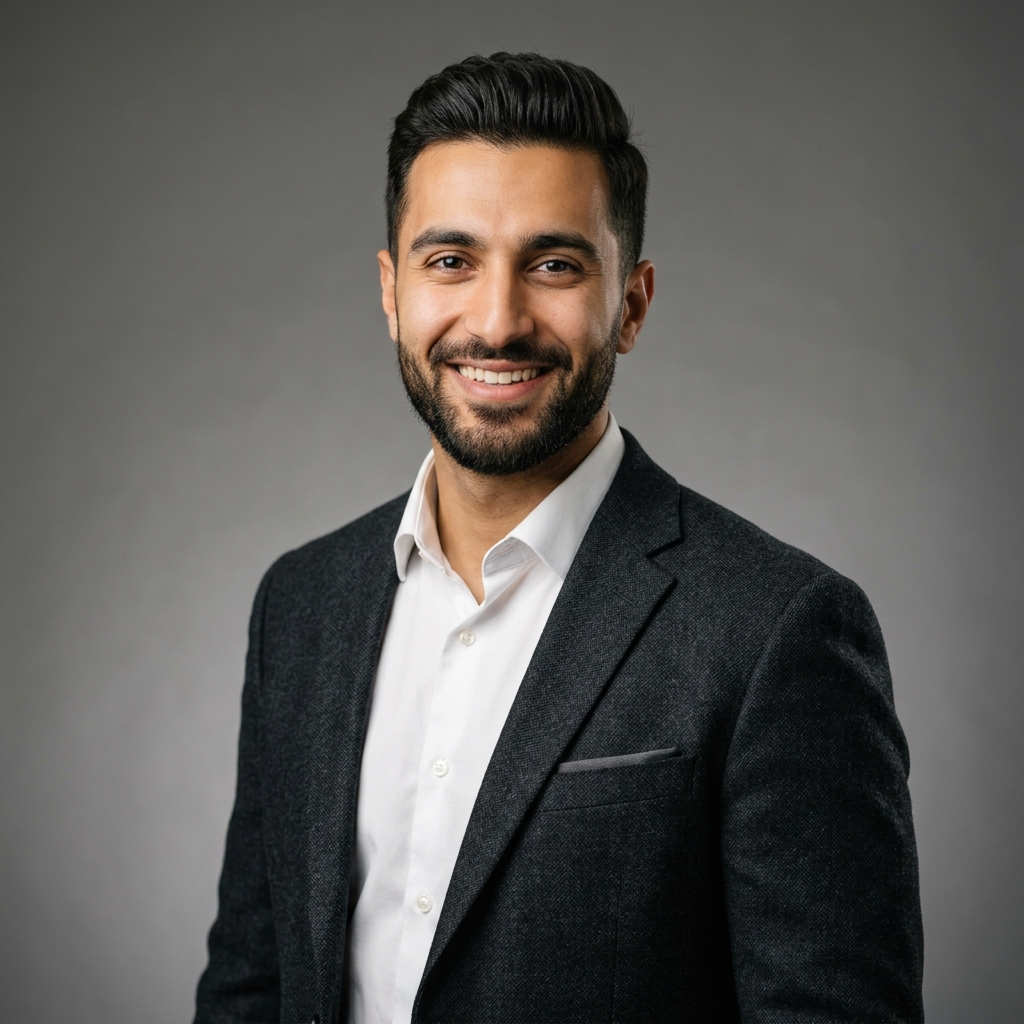
Omar Hassan
correspondent
Sports journalist dedicated to Egyptian and international football. Omar covers the Egyptian Premier League, African football, and the FIFA World Cup. A lifelong Al Ahly supporter, he brings insider knowledge of the MENA sports scene with reporting from Cairo, Doha, and major tournament venues.


