World Cup 2026 Embraces Tech to Tackle Its Massive Footprint
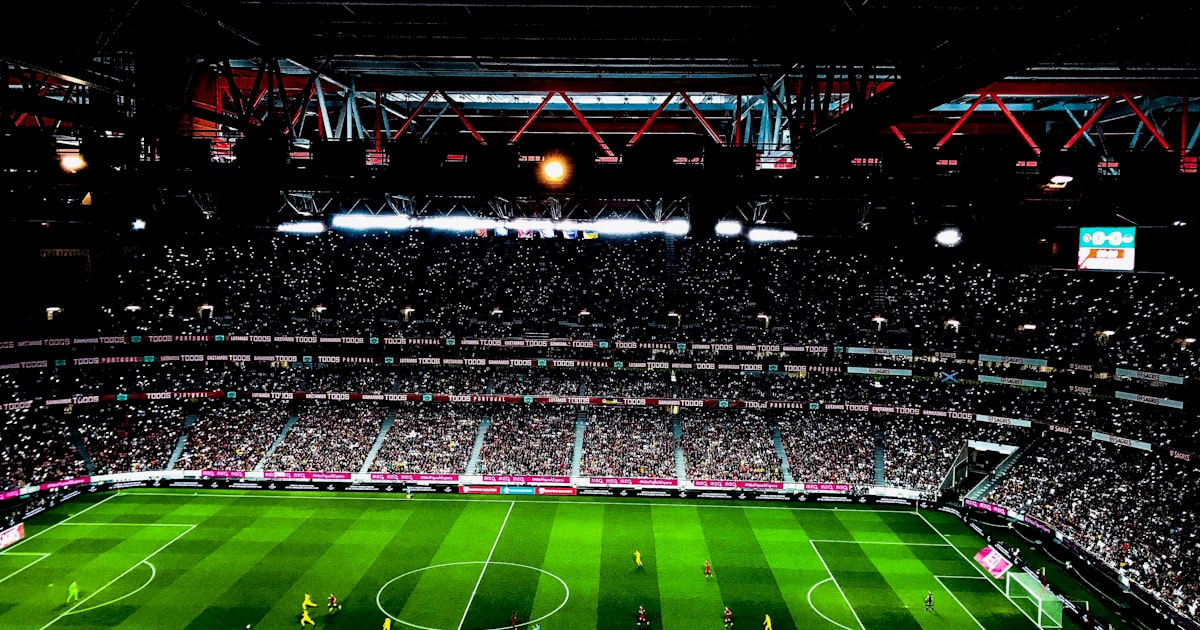
While the sheer scale of the FIFA World Cup 2026 raises significant environmental concerns, host cities and organizers are deploying cutting-edge technology and ambitious sustainability plans to mitigate its impact and redefine the fan experience. This tournament, the largest in history, is pushing the boundaries of how mega-events can be managed responsibly.
The expanded format, featuring 48 teams and 104 matches across 16 cities in three countries, presents unprecedented logistical and environmental challenges. Experts project the 2026 FIFA World Cup will have one of the largest environmental footprints ever, with estimates reaching at least 9 million tons of carbon dioxide equivalent emissions. Jonathan Casper, a professor at North Carolina State University who studies the environmental impact of sports, noted that "Travel drives the largest environmental impact: The 2026 FIFA World Cup's emissions are expected to be dominated by travel across three countries and 16 host cities, outweighing gains from greener stadium operations."
Stadiums Go Green with Smart Tech
To counter this, host cities are integrating advanced sustainability practices. Dallas Stadium, for instance, is committed to achieving LEED certification and utilizing existing infrastructure to reduce resource consumption. Efforts extend to sustainable transportation options like electric buses and comprehensive waste management programs, including recycling and reducing single-use plastics at venues and fan festivals.
Beyond green buildings, technology is transforming operations. For the first time, FIFA's Official Technology Partner, Lenovo, has created live digital twins of all 16 tournament stadiums. These virtual replicas allow officials to monitor crowd movement, venue operations, and security in real-time from an Intelligent Command Centre, helping predict and prevent issues before they escalate.
Enhanced Fan Experience and Fair Play
The technological push also extends to the fan experience and on-field action. Massive LED walls, 360-degree sound systems, and augmented reality overlays are set to immerse fans inside stadiums and at public viewing zones. For those watching at home, innovations like referee cams and more realistic player avatars for semi-automated offside technology (SAOT) are providing unprecedented transparency and immersive broadcast experiences.
Impact on Egyptian Americans
For Egyptian-Americans planning to attend or follow the World Cup, these developments mean a potentially smoother and more engaging experience. If you're traveling, consider utilizing the sustainable transportation options promoted by host cities to reduce your carbon footprint. For those watching from home or at local fan zones, the enhanced broadcast technology promises a more dynamic and transparent view of the beautiful game. This focus on sustainability also highlights a global shift towards more eco-conscious event planning, which could inspire similar initiatives in our communities.
📋 Sources & References
- FIFA World Cup 26 Dallas - Sustainability — Dallas's commitment to sustainable practices for the World Cup.
- FIFA World Cup Faces Growing Sustainability Challenges — Analysis of the environmental footprint and sustainability efforts.
- Digital Twin: How FIFA World Cup 2026 Is Redefining Stadium Architecture — Details on Lenovo's digital twin technology for stadiums.
- 'The most valuable real estate': How the 2026 World Cup became a springboard for AI innovation — Article on AI innovations in the World Cup.

correspondent
Sports journalist dedicated to Egyptian and international football. Omar covers the Egyptian Premier League, African football, and the FIFA World Cup. A lifelong Al Ahly supporter, he brings insider knowledge of the MENA sports scene with reporting from Cairo, Doha, and major tournament venues.


