Technology
4 min read
How is AI accelerating breakthroughs in medicine and materials?

Analysis
As of early 2026, the artificial intelligence (AI) drug discovery market has surged to an estimated $2.6 billion, marking a pivotal shift in how we approach scientific innovation. This isn't just about incremental improvements; AI is fundamentally reshaping the landscape of research, from developing life-saving medications to engineering advanced materials.
AI is moving beyond simple automation, becoming an embedded infrastructure in scientific workflows. It's helping researchers tackle challenges of extraordinary scale and complexity, compressing decades of computational work into hours. This shift promises to double the pace of American scientific discovery within a decade, according to the U.S. Department of Energy's Genesis Mission.
Revolutionizing Drug Discovery and Personalized Medicine
AI is dramatically speeding up drug development, a process historically known for being slow and prone to failure. Over 173 AI-originated drug programs are currently in clinical development, with the first AI-discovered drug approval projected for 2026–2027. What's truly remarkable is the success rate: AI-discovered molecules are showing an 80–90% success rate in Phase I trials, significantly outperforming the historical average of around 52%. This acceleration is driven by AI's ability to analyze vast biological datasets and identify disease targets with unprecedented precision. "In 2026, identifying disease targets will rely on in silico exploration before any wet-lab validation begins," explains Veronica DeFelice, Director of Biologics at Sapio Sciences. This means scientists can test biological hypotheses earlier, building confidence and reducing late-stage failures. Beyond drug discovery, AI personalized medicine tools are tailoring treatments to individual patient needs by leveraging genomics, clinical records, and lifestyle factors, empowering clinicians with data-driven decisions.Unlocking New Frontiers in Materials Science
Beyond medicine, AI is also transforming materials science, accelerating the design, synthesis, and optimization of advanced materials. This is crucial for developing everything from more efficient aircraft to stronger energy infrastructure. For instance, the University of Tennessee, Knoxville, recently received a $20 million grant from the National Science Foundation to establish ATHENA, a national network of AI-powered laboratories. ATHENA aims to revolutionize materials discovery by dramatically accelerating the autonomous optimization of advanced materials. While AI has greatly improved the ability to predict new materials, testing those predictions remains labor-intensive. Sergei Kalinin, Weston Fulton Professor at UT, emphasizes this point: "Predictions alone don't create new technologies. At some point, those materials have to be synthesized, measured and understood in the real world. ATHENA is about dramatically accelerating that process."Impact on Egyptian Americans and the Broader Community
These advancements in AI and scientific discovery hold significant promise for the Egyptian American community and beyond. Faster drug development means quicker access to new treatments for diseases that affect our families, potentially improving health outcomes and quality of life. The rise of personalized medicine could offer more effective, tailored care, moving away from a one-size-fits-all approach that might not suit everyone's unique biological profile. For those interested in STEM careers, this era of AI-driven research opens up new job opportunities in fields like computational biology, materials informatics, and AI engineering. Encouraging younger generations to explore these areas could lead to impactful contributions and economic growth within our community. Staying informed about these technological shifts can help you understand how they might influence healthcare choices or career paths for your loved ones. AI is not just a tool; it's a catalyst for human ingenuity, enabling scientists to ask bigger questions and find answers faster than ever before. This new era of discovery promises a future where complex global challenges, from health crises to climate change, might find solutions through the powerful synergy of human intellect and artificial intelligence.📋 Sources & References
- IntuitionLabs — AI Applications in the Drug Development Pipeline
- Drug Target Review — 2026: the year AI stops being optional in drug discovery
- University of Tennessee, Knoxville — UT Secures $20M NSF Grant To Pioneer Breakthroughs in Automated Materials Discovery
- Vertex AI Search — Top 10 AI Personalized Medicine Tools in 2026
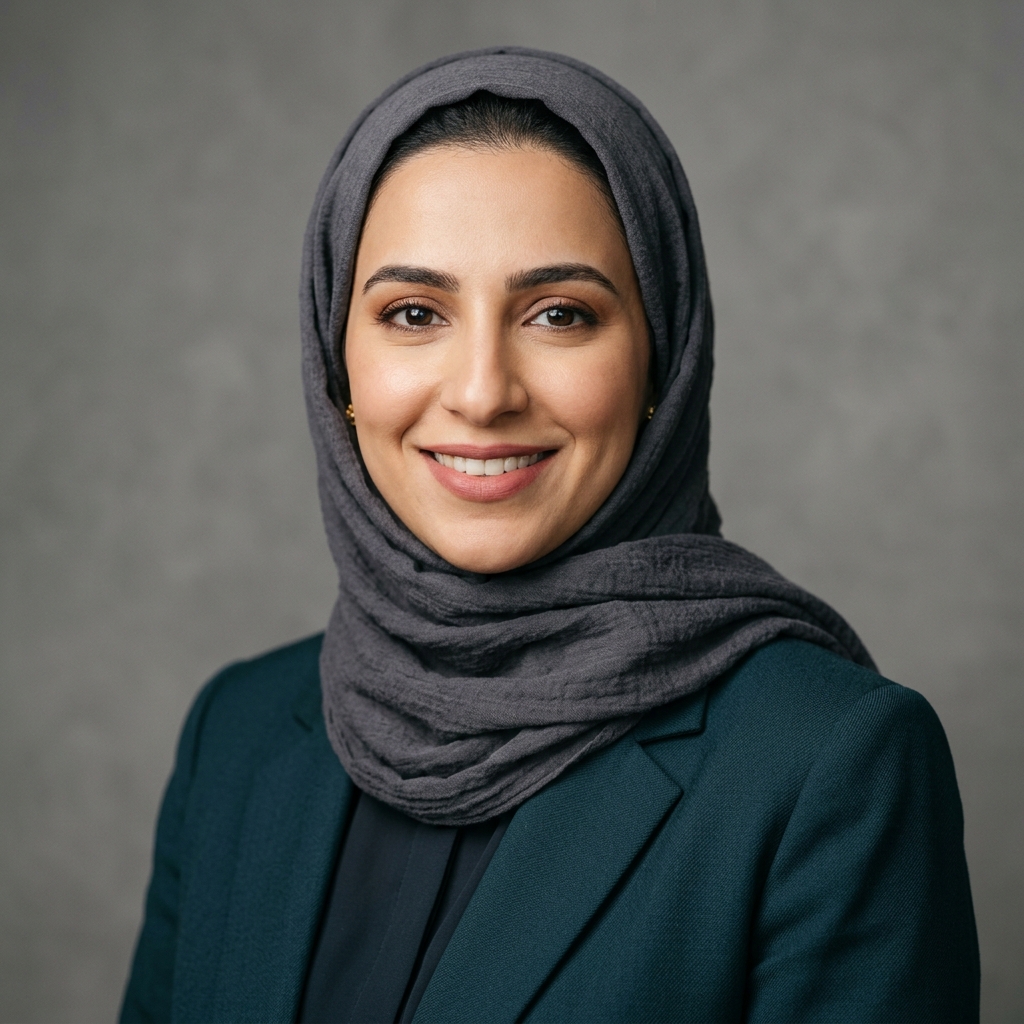
Yasmine Samir
columnist
Technology and culture correspondent covering AI, cybersecurity, and the intersection of Arab heritage with modern innovation. Yasmine holds a degree in Computer Science from Cairo University and has reported on tech ecosystems across the Middle East and Silicon Valley.


