40% of Workforce Training to Be AI-Personalized by 2028

A significant shift is underway in how we learn and develop new skills, with a new report from Gartner predicting that 40% of all workforce training will be personalized by artificial intelligence by 2028. This isn't just about online courses getting smarter; it's a fundamental change in how individuals acquire the knowledge needed for future careers.
This projection highlights AI's growing role beyond automating tasks, moving into deeply customizing educational experiences. It means your learning journey could soon be as unique as your fingerprint, adapting to your pace, preferences, and even your career aspirations in real-time.
Tailoring Education to Your Unique Pace
New AI models are making truly adaptive learning a reality. Researchers at MIT's Computer Science and Artificial Intelligence Laboratory (CSAIL) have developed advanced AI that can dynamically adjust educational content based on a learner's progress and individual needs. This goes far beyond simple recommendations, creating a bespoke path that evolves with you.
Imagine an AI tutor that understands exactly where you struggle and provides targeted exercises, or a platform that reconfigures an entire module because it senses you're grasping a concept faster than expected. This level of personalization ensures you're not wasting time on what you already know, or getting lost in areas where you need more support.
Upskilling for Tomorrow's Job Market
Major online learning platforms are already embracing this trend. Companies like Coursera and edX are rolling out significant AI enhancements, including AI tutors and personalized curriculum generators, to help professionals acquire in-demand skills faster. These platforms are reporting a notable increase in user engagement with their AI-driven modules, showing that learners are ready for this evolution.
The World Economic Forum emphasizes that AI-powered upskilling initiatives are crucial for national economies to remain competitive. Governments and the private sector need to collaborate to ensure these powerful tools are accessible to everyone, preventing new skill gaps from emerging in a rapidly changing job market.
Expert Perspective
Dr. Anya Sharma, a lead researcher at MIT CSAIL, highlights the profound impact of these advancements. “This isn't just about recommending the next video; it's about creating a truly bespoke learning journey that evolves with the individual,” she explains. This shift means education becomes a continuous, highly responsive process, tailored to each person's unique trajectory.
Impact on Egyptian Americans
For Egyptian Americans, leveraging these AI-powered learning tools can be a powerful way to advance careers and adapt to the evolving job landscape in the U.S. Many in our community are driven to provide the best for their families, and staying ahead in skills is key to economic stability and growth.
Start by identifying in-demand skills in your field or a new area you want to explore. Platforms like Coursera, edX, and LinkedIn Learning offer AI-enhanced courses. Look for programs that provide certifications recognized by employers. A common mistake is relying solely on generic online content; instead, seek out platforms that explicitly mention AI-driven personalization and adaptive learning paths. Don't forget to combine online learning with real-world application and networking to maximize your growth.
The future of learning is personal, driven by AI that understands your needs better than ever before. Embracing these tools now can give you a significant edge in your professional journey.
📋 Sources & References
- Gartner — Report on AI personalization in workforce training.
- MIT CSAIL — Research on adaptive AI models for education.
- Coursera — Information on AI enhancements for skill development.
- World Economic Forum — Discussion on the economic impact of AI-driven upskilling.
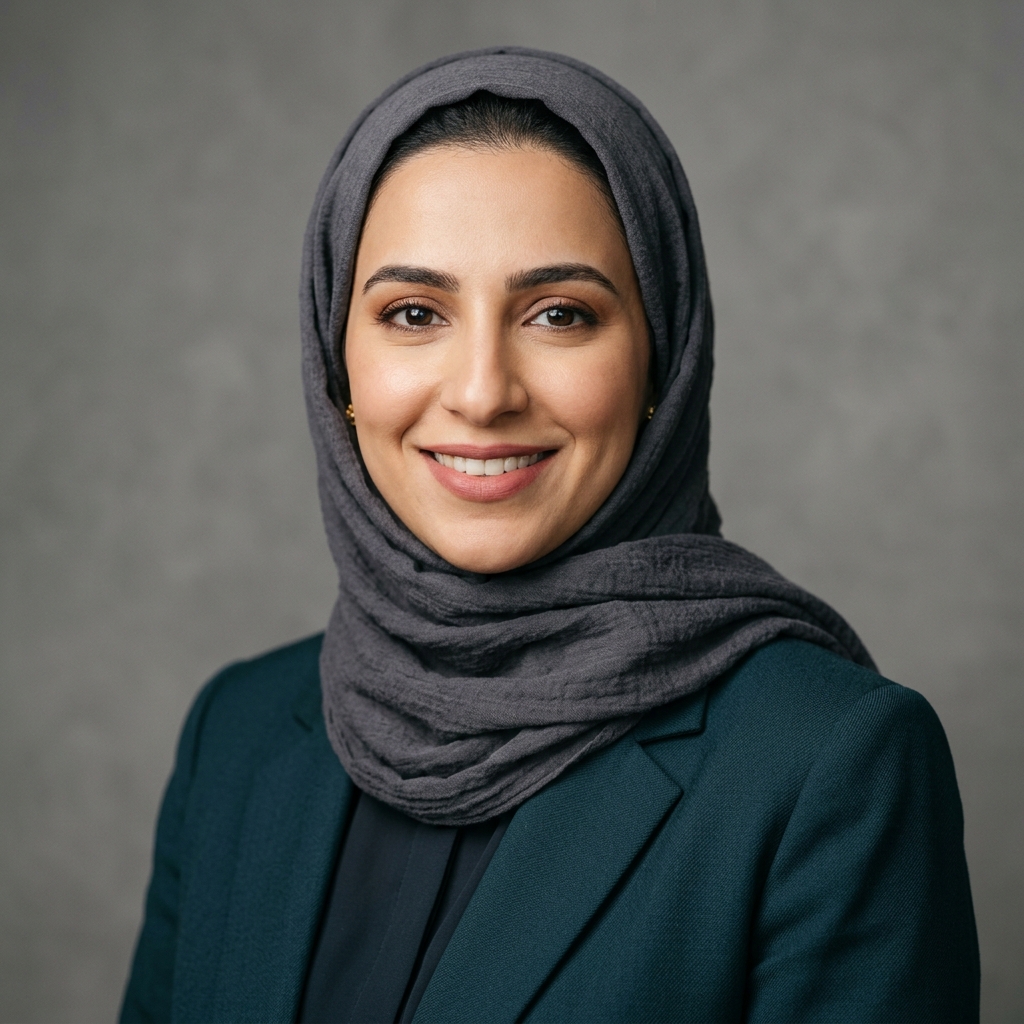
columnist
Technology and culture correspondent covering AI, cybersecurity, and the intersection of Arab heritage with modern innovation. Yasmine holds a degree in Computer Science from Cairo University and has reported on tech ecosystems across the Middle East and Silicon Valley.


