Technology
4 min read
AI's Quiet Takeover: Understanding Its Impact on Your Daily Life and Work

Explainer
Artificial intelligence is no longer a futuristic concept; it's already deeply embedded in the tools you use every day, fundamentally altering how you manage your life and career. This rapid integration demands that we understand its benefits, challenges, and the evolving landscape it creates.
How is AI changing your daily routines?
AI has become your personal productivity ally, streamlining tasks you might not even notice. Think about how virtual assistants manage your calendar, or how navigation apps help you dodge traffic. AI-powered email filters categorize and prioritize your inbox, saving you valuable time. Beyond organization, AI helps generate content, from drafting emails to suggesting personalized recommendations for music or shopping, making your digital interactions more tailored and efficient.What does AI mean for your work and career?
In the workplace, AI is boosting productivity and reshaping job functions. Tools like ChatGPT can draft documents, analyze data, and even write code, freeing up employees to focus on higher-value, creative tasks. A 2025 report by SHRM found that 77% of people surveyed said AI enables them to accomplish more work in less time, with 73% producing better-quality work. OpenAI noted that teams in over 80% of Fortune 500 firms had already adopted ChatGPT in some fashion within its first year. This shift means new skills are becoming essential, and understanding how to leverage AI tools is crucial for career growth.Are there risks to relying on AI?
Despite the benefits, relying on AI comes with significant challenges. Data privacy and security are top concerns, especially when sensitive information is shared with external AI services. AI models can also confidently generate incorrect or fabricated information, a phenomenon known as "hallucination," which can be more dangerous than no answer at all in critical business contexts. Bias and ethical concerns also arise, as AI trained on vast internet data can sometimes produce culturally insensitive content or perpetuate existing prejudices.How are governments addressing AI's rapid growth?
Governments worldwide are actively working to regulate AI. The European Union's AI Act, for instance, is the first comprehensive regulation by a major body, banning applications that create unacceptable risks and imposing strict requirements on high-risk systems. China also introduced new regulatory developments in July 2026, focusing on AI ethics, agents, and anthropomorphic AI, emphasizing that AI should assist people, not harm or deceive them. Google DeepMind CEO Demis Hassabis is pushing for the US AI industry to self-regulate, advocating for a new Standards Body to develop assessment protocols and ensure safety. As former UN High-level Advisory Body on Artificial Intelligence co-chair Carme Artigas described, platforms like the "Global AI Governance Rules Map 2.0" are becoming valuable resources for comparing these global approaches.Impact on Egyptian Americans
For the Egyptian American community, understanding AI is not just about staying current; it's about empowerment. As AI reshapes industries like finance, healthcare, and education, developing AI literacy and digital skills can open new career paths and business opportunities. Consider exploring online courses in AI fundamentals or machine learning to bridge potential skill gaps. Be mindful of data privacy when using AI tools, especially with personal or business information, and always critically evaluate AI-generated content for accuracy. Official resources from organizations like the National Institute of Standards and Technology (NIST) can offer guidance on responsible AI use.📋 Sources & References
- Worklytics — Challenges and benefits of ChatGPT adoption in enterprises
- Deep Science Publishing — Challenges in implementing generative AI in business sectors
- IAPP — China's new AI regulations on ethics and AI agents
- EU AI Act — Official information on the European Union's AI regulation
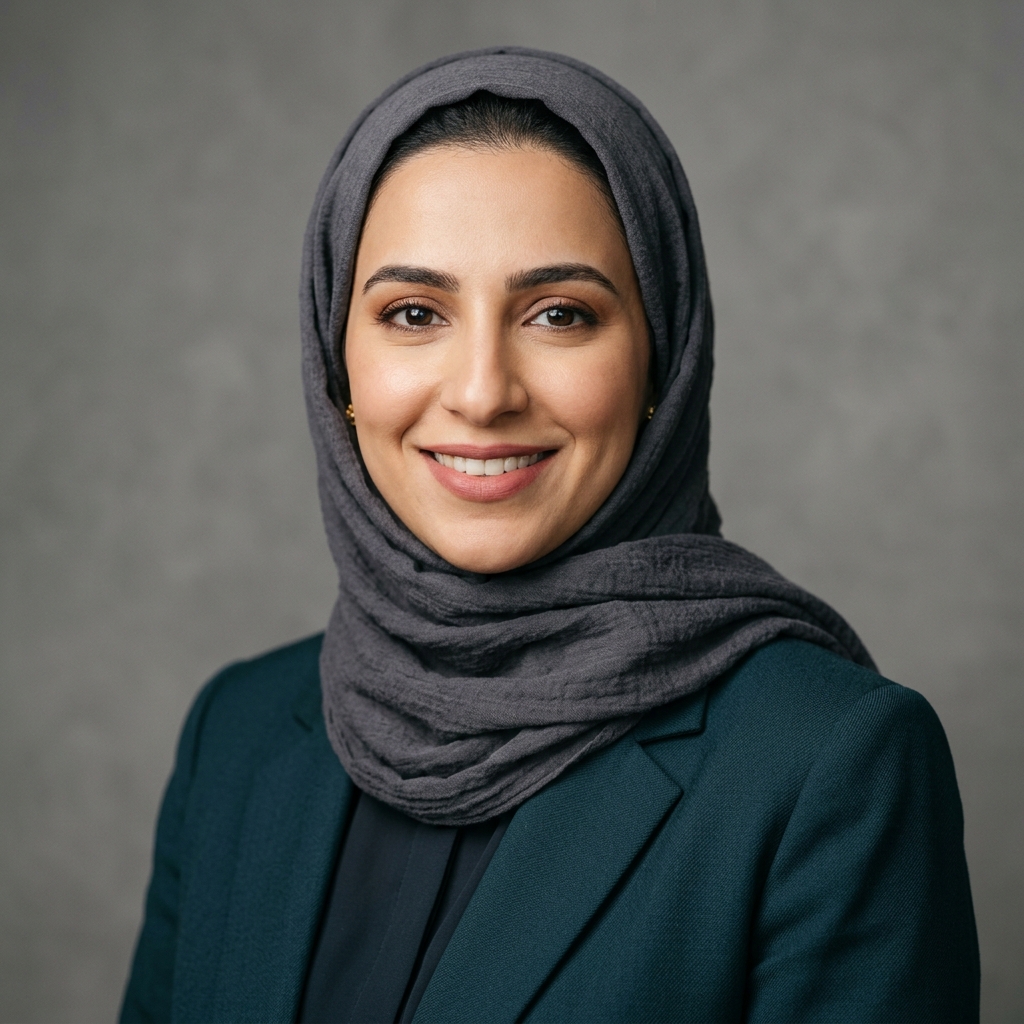
Yasmine Samir
columnist
Technology and culture correspondent covering AI, cybersecurity, and the intersection of Arab heritage with modern innovation. Yasmine holds a degree in Computer Science from Cairo University and has reported on tech ecosystems across the Middle East and Silicon Valley.


