New Federal Bill Seeks to Unify US Data Privacy Rules

A significant push is underway in the U.S. House to establish a single, nationwide standard for consumer data privacy. This move could fundamentally reshape how your personal information is collected, used, and protected across the United States, replacing the current patchwork of state-specific regulations.
📋 What to Know
- The SECURE Data Act, introduced in April 2026, aims to create a unified federal privacy standard.
- This bill seeks to preempt existing state-level privacy laws, which currently vary widely.
- Consumers would gain rights to access, correct, and delete their data, and opt out of targeted advertising.
- Data breaches remain a major threat, with cybercrime projected to cost $10.5 trillion annually by 2025.
A Unified Approach to Your Digital Rights
For years, navigating data privacy in the U.S. has felt like a maze, with each state enacting its own rules. Now, the Securing and Establishing Consumer Uniform Rights and Enforcement over Data Act (SECURE Act), introduced by House Republicans in April 2026, aims to simplify this by creating a unified federal standard. This legislation is the latest attempt to provide a consistent framework, following previous efforts like the American Privacy Rights Act.
If enacted, the SECURE Act would grant you specific rights over your data, including the ability to access, correct, and delete your personal information. You would also have the power to opt out of certain processing activities, such as the sale of your data and targeted advertising. This is a crucial step towards giving you more control in an increasingly digital world.
The Ongoing Battle Against Data Breaches
Even with new regulations, the threat of data breaches remains a serious concern. Cybercrime continues to evolve, with experts predicting its global cost will reach $10.5 trillion annually by 2025. Just recently, the Instructure Canvas breach in May 2026 resulted in an estimated 275 million victim notices, highlighting the scale of these incidents.
Phishing attacks, where criminals trick you into revealing sensitive information, are responsible for over 80% of reported security incidents. As Sarah Jacobs, Nationwide Vice President of Personal Lines Product Development, noted, “Cybercrime poses a profound threat to U.S. consumers, as criminals' methods and the technology available to them evolves and improves.” This underscores why personal vigilance is more important than ever.
What This Means for Your Online Life
This push for federal privacy standards directly impacts your daily online interactions. Whether you're shopping, banking, or connecting with family, your data is constantly being collected. A unified law could mean clearer rules for businesses and stronger protections for you, no matter which state you live in. It's about ensuring your digital footprint is handled responsibly.
Online Safety for Egyptian Americans: Navigating New Digital Realities
For Egyptian Americans and other immigrants, understanding these privacy developments is especially critical. U.S. government agencies, including the Department of Homeland Security (DHS) and the Department of State (DOS), have expanded their review of social media and online presence for immigration applicants. In some cases, applicants for certain visa classifications are even instructed to set their social media profiles to public.
To protect yourself, always use strong, unique passwords and enable two-factor authentication on all your accounts. Consider using encrypted messaging apps like Signal for sensitive conversations. Be cautious about what personal information you share online, and regularly review your privacy settings on social media platforms. Remember, even private posts can be screenshotted and used against you in immigration processes. Consulting with an immigration attorney before posting anything questionable is a wise step.
📋 Sources & References
- Wiley Rein — Overview of the SECURE Data Act
- Smarsh — U.S. Data Privacy Updates 2026
- USAHello — Digital safety tips for immigrants
- Nationwide — Consumer Cybersecurity Survey insights
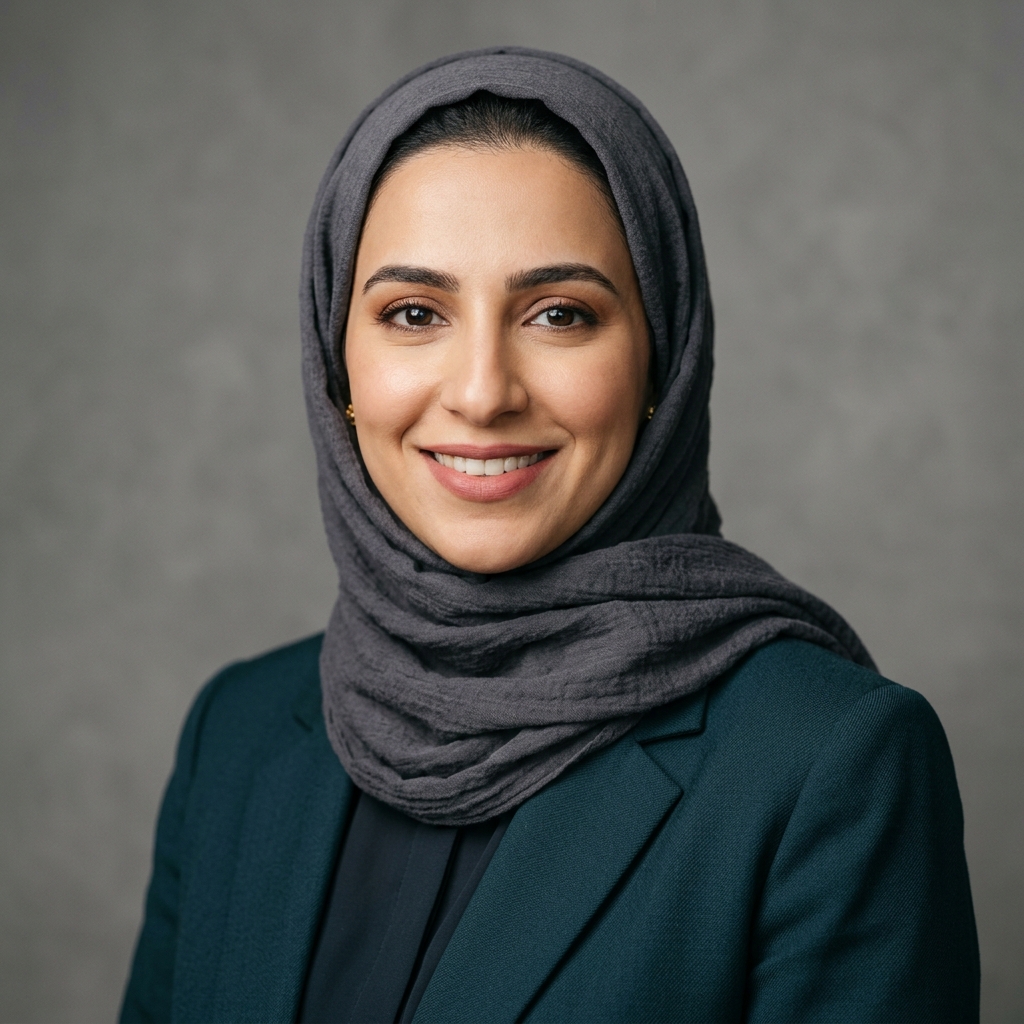
columnist
Technology and culture correspondent covering AI, cybersecurity, and the intersection of Arab heritage with modern innovation. Yasmine holds a degree in Computer Science from Cairo University and has reported on tech ecosystems across the Middle East and Silicon Valley.


