Technology
5 min read
US Federal Privacy Legislation Advances Amidst Soaring Cybercrime Costs
Data
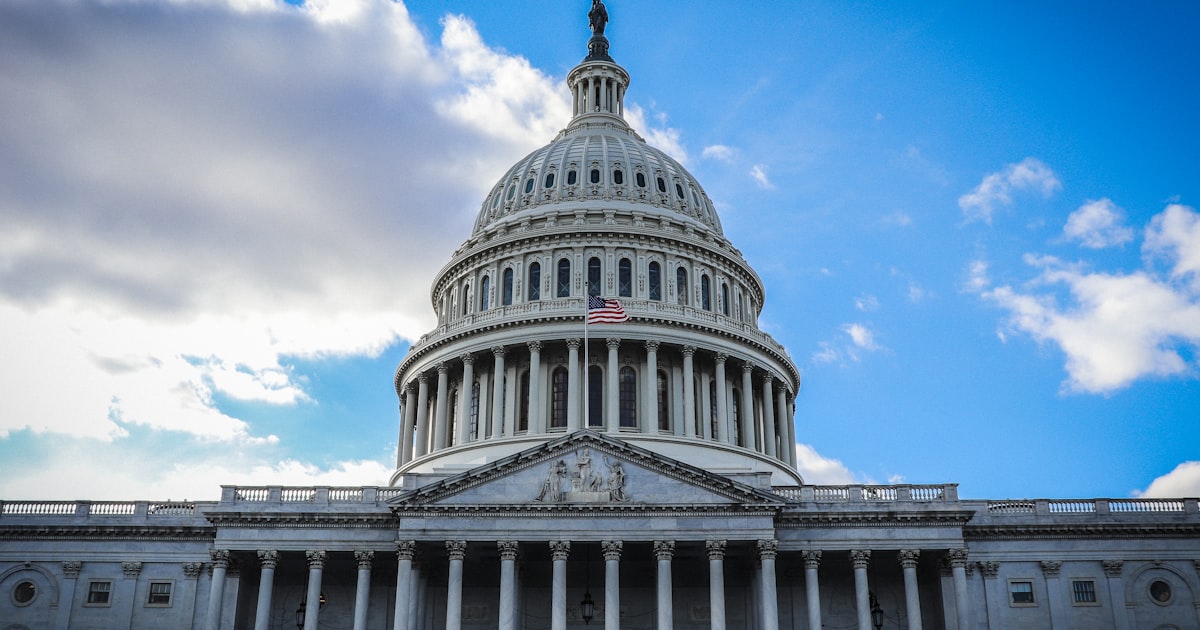
While our digital lives offer incredible convenience, the financial toll of cybercrime is escalating dramatically, with global costs projected to hit an alarming $10.5 trillion annually by 2025. This stark reality is pushing U.S. lawmakers to act, introducing new federal legislation aimed at unifying data privacy protections across the nation.
📋 What to Know
- New federal privacy bills, including the SECURE Data Act 2026, were introduced in the U.S. House in April 2026, aiming to create a unified national standard for data protection.
- Global cybercrime costs are projected to reach an astounding $10.5 trillion annually by 2025, marking a significant year-over-year increase.
- Consumers will gain new rights to access, correct, and delete their personal data under proposed federal legislation.
- Data concerning teens under 16 years old will be classified as sensitive, requiring explicit parental consent for processing.
By the Numbers: The Rising Tide of Cyber Threats
For individuals and businesses, the financial impact of data breaches is staggering. The average cost of a data breach in the United States reached $10.22 million in 2025, a figure significantly higher than the global average of $4.44 million in the same year. This shows just how much more expensive these incidents are for organizations operating here. Small businesses, often seen as less protected, are increasingly becoming prime targets. A recent report indicates that three out of four small businesses experienced at least one cybersecurity incident in the past year. This makes them particularly vulnerable, as they frequently lack the extensive resources of larger corporations to defend against sophisticated attacks. Despite the pervasive nature of online data collection, most Americans feel a deep sense of unease. A staggering 92% of Americans are concerned about their privacy when using the internet. Yet, a significant gap in knowledge persists, with 67% unaware of their country's existing privacy and data protection regulations. In response to these growing concerns, a major legislative push is underway. The SECURE Data Act 2026 and the GUARD Financial Data Act were introduced in the U.S. House on April 22, 2026. These bills aim to establish a comprehensive federal privacy framework, seeking to streamline the current patchwork of state-level laws.Why It Matters: Protecting Your Digital Life and Wallet
These numbers aren't just statistics; they represent real threats to your personal information, your financial security, and even your family's safety. A data breach can expose everything from your Social Security number to your credit card details, leading to identity theft and significant financial losses. For small business owners, a cyberattack can be devastating, potentially leading to permanent data loss and even business closure. This new federal legislation, if enacted, could bring much-needed clarity and stronger protections. It proposes giving you more control over your data, including the right to access, correct, and delete information companies hold about you. It also specifically addresses the sensitive nature of data collected from children, requiring verified parental consent for those under 16.The Trend: A Unified Front Against Evolving Threats
The trend is clear: the digital landscape is becoming more complex, with cybercriminals leveraging advanced tools like AI to launch more sophisticated attacks. However, there's also a growing global recognition of the need for stronger, more unified data protection. As Daniel Dobrygowski, Head of Governance and Trust at the World Economic Forum, puts it, "With joint efforts, we can transform the digital safety landscape into one that empowers users and protects them in the midst of these complex and evolving challenges." This dual focus on innovation and protection will define our online future.Impact on Egyptian Americans: Navigating New Digital Rights
For Egyptian Americans, many of whom own small businesses or send remittances, understanding these evolving cybersecurity and privacy trends is crucial. The rise in cyberattacks on small businesses means you need to be extra vigilant about your company's digital defenses. Implementing multi-factor authentication, regularly training employees to spot phishing attempts, and having an incident response plan are no longer optional; they are essential steps to protect your livelihood. On a personal level, the proposed federal privacy laws offer new avenues to assert your digital rights. You'll have clearer ways to request what data companies have on you and ask for its deletion. Keep an eye on official government resources like the Federal Trade Commission (FTC) website for updates on how to exercise these rights once the legislation progresses. Avoiding common mistakes like reusing passwords across multiple accounts or clicking on suspicious links can significantly reduce your personal risk.📋 Sources & References
- ExtensisHR — Information on cybersecurity threats to small businesses and ransomware statistics.
- DLA Piper — Details on the SECURE Data Act 2026 and GUARD Financial Data Act.
- Fortinet — Global cybercrime cost projections and cybersecurity statistics.
- Termly — Statistics on consumer data privacy concerns and awareness.

Yasmine Samir
columnist
Technology and culture correspondent covering AI, cybersecurity, and the intersection of Arab heritage with modern innovation. Yasmine holds a degree in Computer Science from Cairo University and has reported on tech ecosystems across the Middle East and Silicon Valley.


