US & Immigration
5 min read
How Arab American Entrepreneurs Fuel Local Economies

Guide
Are you aware of the significant economic contributions Arab American businesses are making across the United States? It's more than just individual success stories; it's a powerful force driving local economies and creating jobs for everyone. This vibrant community is increasingly recognized for its entrepreneurial spirit and the robust support networks helping new ventures thrive.
📋 What to Know
- Over 110,000 Arab-owned businesses operate in the U.S., generating billions in annual revenue.
- Arab American households often have higher median incomes than the national average, around $65,000.
- Immigrants from the Middle East and North Africa (MENA) are twice as likely to be entrepreneurs compared to U.S.-born residents.
- Organizations like the Arab American Women's Business Council (AAWBC) and the Arab-American Business Professional Association (ABPA) offer vital support and resources.
Driving Economic Growth Through Entrepreneurship
Arab Americans are a diverse group, and their economic impact is substantial. The U.S. Census Bureau reports over 110,000 Arab-owned businesses operating nationwide, contributing billions in annual revenue and providing numerous employment opportunities. This entrepreneurial drive is particularly strong among immigrants from the Middle East and North Africa (MENA) region, who are more than twice as likely to be self-employed compared to U.S.-born residents, with 9.8% of MENA immigrants being entrepreneurs versus 4.4% of the U.S.-born population. These businesses span various sectors, from retail and hospitality to healthcare and professional services, enriching the economic fabric of states like California, Michigan, and New York. For instance, the median household income for Arab Americans is approximately $65,000, slightly higher than the national median, demonstrating their overall economic stability and contribution.Building Support Systems for Business Success
Recognizing the potential and addressing the unique challenges faced by Arab American entrepreneurs, various organizations have stepped up to provide crucial support. In Dearborn, Michigan, a hub for the Arab American community, initiatives like the Dearborn WORKS program, in partnership with the Arab American Women's Business Council (AAWBC), offer financial literacy courses, professional development workshops, and intensive business boot camps. The AAWBC has supported over 250 businesses in 2023-2024 alone, and is on track to surpass that number in 2025. Similarly, the Arab-American Business Professional Association (ABPA) in Illinois launched its Business Center and Small Business Development Center (SBDC) in 2023. This center provides comprehensive services, including business planning, financial guidance, and marketing strategies, empowering entrepreneurs to overcome challenges and achieve sustainable growth. Semira Nikou, a certified MENA-owned business owner, highlights the growing opportunities, stating, “We are at this incredible moment — at the helm of a positive change — where opportunities are opening to historically underserved communities. We're in discussions with many national retailers who are really excited about the MENA certification because they already have programs in place to support minority owned brands.”📌 What you should do
- **Connect with Local Business Councils:** Seek out organizations like the Arab American Business Council (AABC) or local Small Business Development Centers (SBDCs) for mentorship, networking, and funding opportunities.
- **Explore Minority Business Enterprise (MBE) Certification:** This certification can open doors to new contracts and partnerships, as many national retailers are actively seeking to support minority-owned brands.
- **Utilize Community Programs:** Look into local initiatives such as Dearborn WORKS or ABPA's SBDC for training, workshops, and resources tailored to your needs.
Impact on Egyptian Americans: Your Role in the Growing Economy
As part of the broader Arab American community, Egyptian Americans are significant contributors to this economic landscape. Egypt is one of the top countries of origin for MENA immigrants in the U.S., representing 13.4% of this demographic. This means your entrepreneurial drive and business success directly contribute to the overall prosperity and representation of the Egyptian diaspora in America. To maximize your impact, consider engaging with organizations that specifically cater to the Egyptian American community, alongside broader Arab American business councils. These groups often provide culturally relevant guidance and networking opportunities that can be invaluable. Leveraging resources like the Minority Business Enterprise (MBE) certification can also give your business a competitive edge, connecting you with larger corporations and government contracts actively seeking diverse suppliers. Your participation strengthens not only your own business but also the collective economic power and visibility of Egyptian Americans.📋 Sources & References
- Arab America – Socioeconomic Status of Arab Americans — Provides data on Arab-owned businesses and income.
- American Immigration Council – Data Snapshot: Middle Eastern and North African Immigrants — Offers insights into MENA immigrant entrepreneurship and demographics.
- City of Dearborn – Dearborn WORKS Program — Details a local initiative supporting small businesses.
- Arab American Women's Business Council (AAWBC) – Dearborn Works Program — Information on AAWBC's support for entrepreneurs.
- Arab-American Business Professional Association (ABPA) – Resource Partners — Describes the SBDC and its services for Arab American businesses.
- Arab American Business Council (AABC) — Information on MBE certification and support for Arab and MENA-American businesses.
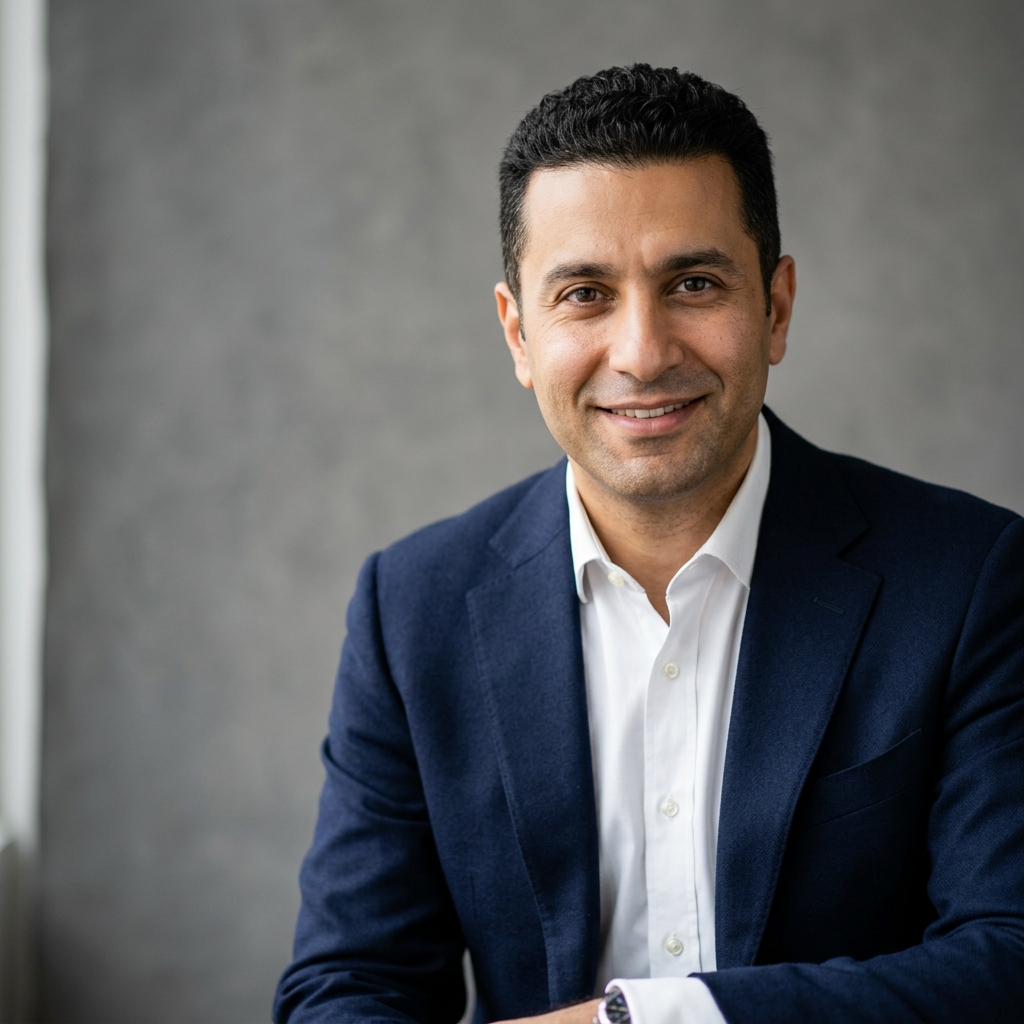
Nour El-Din
editor
Senior political analyst covering the Middle East and North Africa. With over 15 years of experience in international affairs, Nour specializes in U.S. immigration policy, diplomatic relations, and political developments across the MENA region. Previously contributed to Al Jazeera English and Middle East Eye.


