US & Immigration
5 min read
46% of Arab Americans Hold Higher Education, Powering New Generation of Leaders

Feature
When Abed Adawi, whose father arrived from a Lebanese refugee camp and mother from Uzbekistan, founded AB Marketing Group, he wasn't just building a business; he was creating opportunities for others to thrive in marketing. His story is a powerful example of the drive seen across the Arab American community, where a new generation is stepping up to lead and innovate.
📋 What to Know
- Over 46% of Arab Americans hold higher education degrees, significantly above the national average of 28%.
- The Arab America Foundation recently honored 40 young professionals in its "40 Under 40" Class of 2026, recognizing their achievements across diverse fields.
- Programs like the Arab American Leadership Program (AALP) and the Center for Arab American Philanthropy's initiatives are actively building career pipelines and fostering youth engagement.
- Arab American businesses contribute billions to the U.S. economy, with a strong entrepreneurial spirit evident in communities like Dearborn and Illinois.
Nurturing Future Leaders: Programs and Initiatives
This year, the Arab America Foundation recognized 40 outstanding young professionals in its "40 Under 40" Class of 2026, celebrating their achievements in fields from business and education to technology and the arts. These awards highlight the talent and vision shaping the future of Arab America, as noted by Warren David, co-founder of the Arab America Foundation, who stated, "Their achievements reflect the strength, resilience, and promise of the next generation of Arab American leaders". Beyond these accolades, initiatives like the Arab American Leadership Program (AALP) are actively building career pipelines for emerging leaders in public policy and government. The AALP has seen a remarkable 600% increase in applications since its launch, demonstrating a growing desire among young Arab Americans to engage in civic leadership. Sief Salameh, an AALP alumnus, emphasized the importance of this representation, saying, "It's really important for me, and for people like me, to be in those rooms and advocate for legislation that empowers the communities we come from".Economic Powerhouse: Entrepreneurship and Professional Excellence
Arab Americans are not just excelling in leadership roles; they are also making significant economic contributions. Data from the Arab American Institute shows that over 46% of Arab Americans have higher education degrees, compared to 28% of the general U.S. population. This strong educational foundation translates into influence across various sectors, with many formally educated in engineering, law, and medicine. The community's entrepreneurial spirit is also thriving. The American Arab Chamber of Commerce, for instance, has launched Tejara, an accelerator program in Dearborn, MI, specifically designed to support high-potential Arab American entrepreneurs. Similarly, the Arab American Business & Professional Association (ABPA) in Illinois inaugurated its Business Center and Small Business Development Center in 2023, providing crucial resources and counseling to Arab American small businesses. These efforts are strengthening the community's economic impact, which already includes a median household income surpassing the national median.Investing in Community: Philanthropy and Local Impact
The commitment to community extends to philanthropic efforts and cultural preservation. The Center for Arab American Philanthropy (CAAP), an institution of ACCESS, works to unite and empower the community through giving. CAAP's Community Impact Grant Program provides grants of $1,000 to $10,000 to non-profit organizations that reflect or center the Arab American lived experience in areas like arts, culture, education, and human services. This support is vital for strengthening Arab American-centered non-profits and promoting cultural visibility. Furthermore, the Arab American National Museum (AANM) in Dearborn continues to be a hub for cultural experiences, hosting programs like "Artists At Work" residencies and the inaugural Arab American Youth Conference in April 2026. These initiatives ensure that the rich heritage of Arab Americans is preserved and celebrated, fostering a strong sense of identity and belonging.Impact on Egyptian Americans
For Egyptian Americans and other Arabic-speaking immigrants, these developments mean more pathways to success and stronger community support. If you're a young professional or student, look into leadership programs like the AALP or the Arab America Foundation's "40 Under 40" and "20 Under 20" initiatives for mentorship and recognition. Aspiring entrepreneurs should explore resources offered by organizations like the American Arab Chamber of Commerce or the ABPA's Small Business Development Center, which provide tailored support for launching and growing businesses. These networks are invaluable for navigating the U.S. business landscape and connecting with fellow community members who share your heritage and drive.What to Watch Next
Keep an eye on the continued growth of Arab American professional networks and the expansion of youth leadership programs. The increasing focus on economic empowerment and cultural initiatives suggests a future where Arab Americans will play an even more prominent role in shaping the nation's diverse fabric.📋 Sources & References
- Arab America Foundation — Announcement of 40 Under 40 Class of 2026.
- ACCESS Community — Information on the Arab American Leadership Program.
- Arab America — Article on the Socioeconomic Status of Arab Americans.
- American Arab Chamber of Commerce — Details on the Tejara accelerator program.
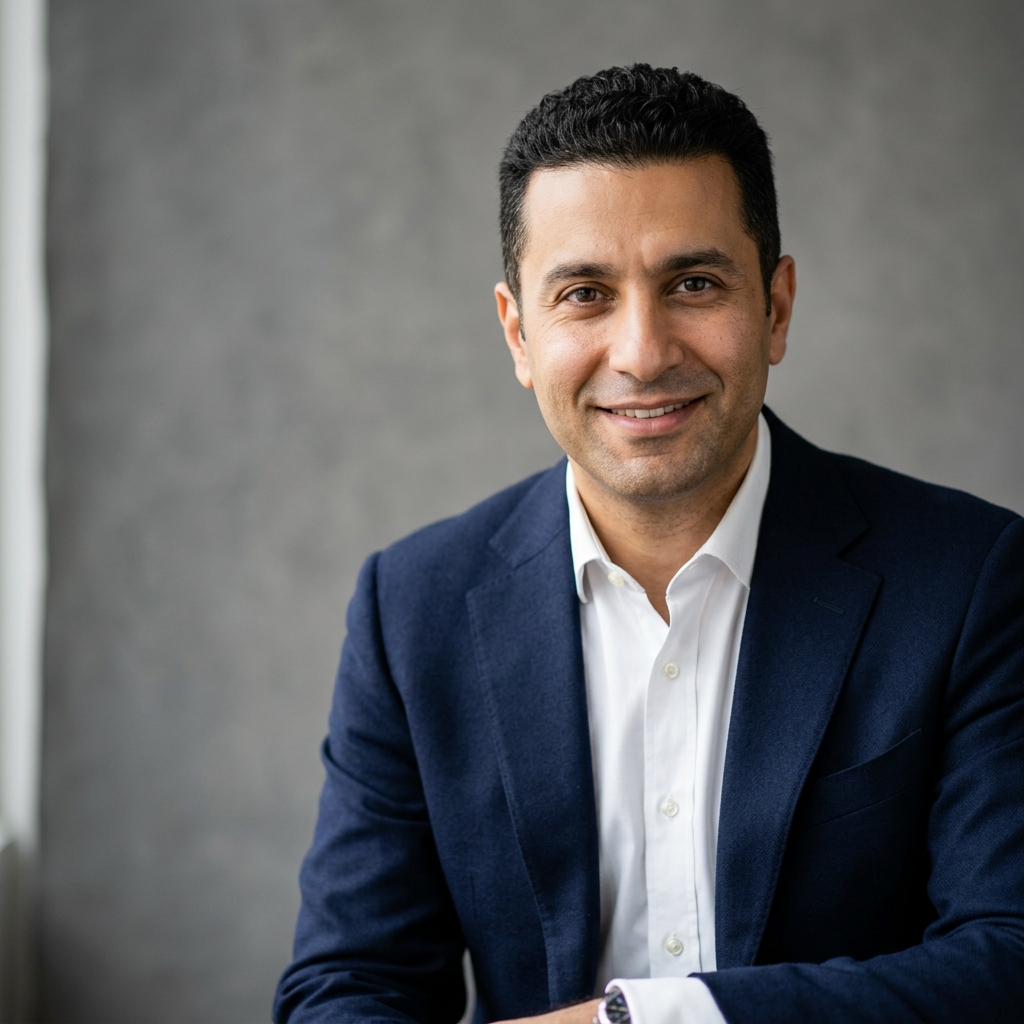
Nour El-Din
editor
Senior political analyst covering the Middle East and North Africa. With over 15 years of experience in international affairs, Nour specializes in U.S. immigration policy, diplomatic relations, and political developments across the MENA region. Previously contributed to Al Jazeera English and Middle East Eye.


