US & Immigration
4 min read
US Asylum Seekers Face Direct Court Referrals, Work Permit Delays

Report
Are you an asylum seeker in the U.S. or considering applying? You need to know about significant changes to the asylum process and work permit rules that took effect recently. These updates could directly impact your path to protection and your ability to work while your case is pending.
Asylum Cases Now Head Straight to Court
Starting July 28, 2026, the Department of Homeland Security (DHS) implemented a new rule allowing U.S. Citizenship and Immigration Services (USCIS) to transfer certain affirmative asylum applications directly to immigration court without an initial interview. This is a major shift from the previous process, where asylum seekers typically had an interview with a USCIS asylum officer first. Advocates are concerned about the immediate impact. Madeline Lohman, advocacy director at The Advocates for Human Rights, noted that this change could lead to faster deportation orders without adequate due process. The rule aims to reduce the affirmative asylum backlog, which stood at over 1.4 million applications as of March 31, 2026.New Hurdles for Work Permits
Beyond the court referrals, asylum seekers are also facing tougher rules for Employment Authorization Documents (EADs), commonly known as work permits. The validity period for certain EADs has been cut from five years to just 18 months. This means more frequent renewals, additional filing fees, and a higher risk of gaps in work authorization if you don't renew on time. Furthermore, the DHS has proposed a new rule that could effectively eliminate work permits for most asylum applicants. This proposed change would prevent asylum seekers from even applying for work permits unless the average processing time for affirmative asylum applications is 180 days or less—a threshold USCIS currently cannot meet. This could severely limit your ability to support yourself and your family while awaiting a decision on your asylum claim.📌 What you should do
- If you have a pending asylum application, gather all supporting evidence and submit it as soon as possible.
- Consult with an immigration attorney to understand how these new rules specifically affect your case.
- Monitor your case status regularly through the USCIS online system.
- If you have an EAD, mark your renewal date and begin the process well in advance to avoid lapses in work authorization.
Impact on Egyptian Americans and Arabic-Speaking Immigrants
These changes are particularly critical for Egyptian-Americans and other Arabic-speaking immigrants seeking asylum. The shift to direct court referrals means that preparing a robust and well-documented case from the outset is more important than ever. You might not get a second chance to present your story in a non-adversarial setting. Ensure all your documents are translated and certified correctly. Seek legal counsel from attorneys specializing in asylum law who understand the nuances of these new policies. Many non-profit organizations offer free or low-cost legal assistance for asylum seekers. For example, organizations funded by programs like California's Immigration Services Funding (ISF) Program provide legal services and outreach to immigrant communities. Proactive planning and expert legal guidance are essential to navigate these evolving immigration policies. Don't wait for a denial; understand your rights and prepare thoroughly to protect your future in the U.S.📋 Sources & References
- Tahirih Justice Center — Analysis of DHS rule change on asylum processing
- MPR News — Report on new DHS rule for asylum seekers and backlog
- Manifest Law — Asylum Freeze Update and EAD changes
- TRAC — Analysis of proposed DHS rule on work authorization for asylum applicants
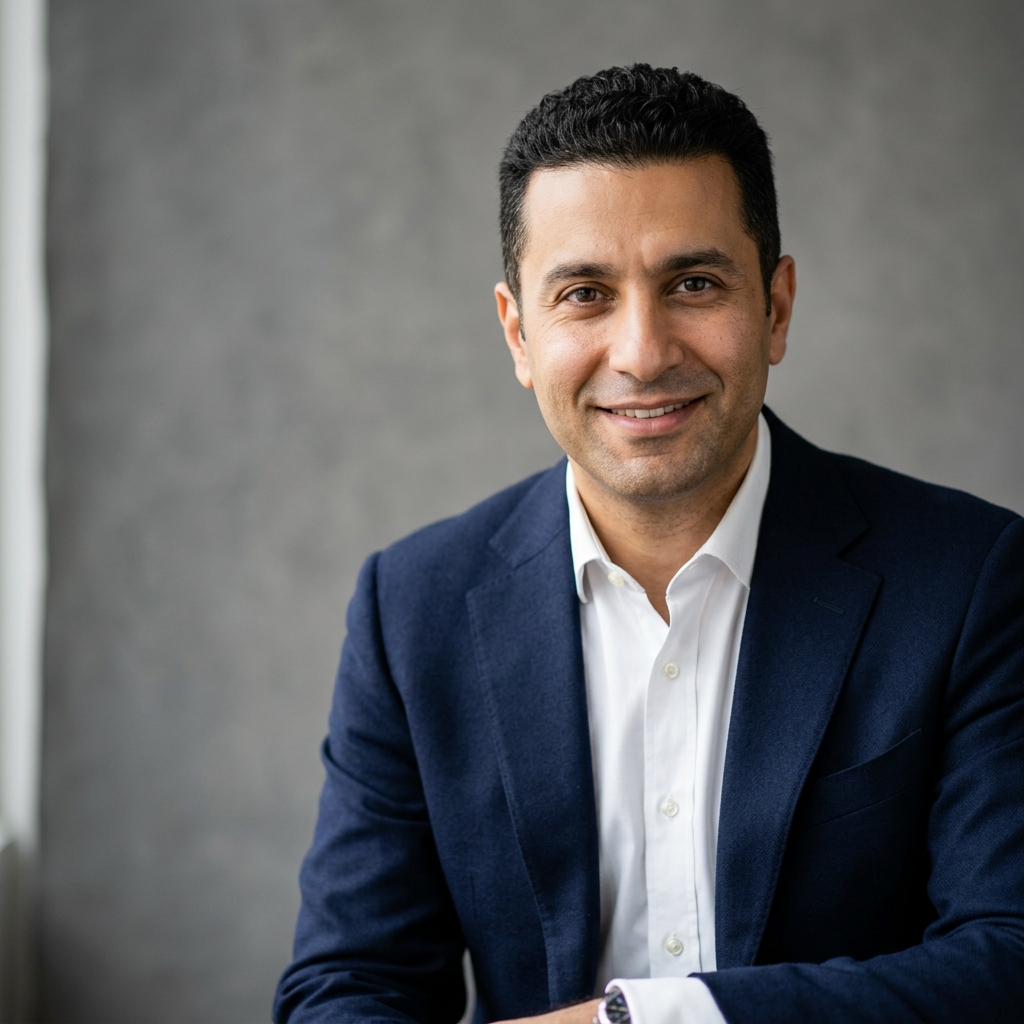
Nour El-Din
editor
Senior political analyst covering the Middle East and North Africa. With over 15 years of experience in international affairs, Nour specializes in U.S. immigration policy, diplomatic relations, and political developments across the MENA region. Previously contributed to Al Jazeera English and Middle East Eye.


