How is Africa shaping a new global development narrative?
📋 What to Know
- The BRICS expansion signals a demand for a multipolar global order, with nearly 40 countries interested in joining.
- The African Union's Agenda 2063 prioritizes economic integration, private sector development, and sustainable water systems.
- Over $400 billion in African mega-projects are reshaping trade routes and boosting energy security.
- The AU is leveraging its permanent G20 membership to advance Africa's priorities on the global stage.
The Global South is increasingly asserting its voice on the world stage, demanding a more balanced and inclusive international order. This shift is particularly evident in Africa, where nations are actively driving their own development agenda through strategic partnerships and ambitious continental initiatives.
Shifting Global Dynamics and BRICS Expansion
You've likely noticed the growing conversation around the BRICS group, which now includes Egypt, Ethiopia, and the UAE. This expansion isn't just about more members; it's a clear signal that many nations want a global order that's more inclusive and balanced, moving away from traditional power structures. As R. Muthu Kumar, Editor of Trinity Mirror, explained, “The expansion of membership and partnerships across Asia, Africa, the Middle East and Latin America shows that many nations want a more inclusive and balanced global order.” India, for example, is actively championing the Global South within BRICS, focusing on resilience, innovation, cooperation, and sustainability. This means a stronger collective voice for developing nations in shaping global outcomes, including reforms at the United Nations.
Africa's Self-Driven Development Agenda
Africa isn't just waiting for the world to change; it's actively building its future. The African Union (AU) is pushing forward its Agenda 2063, a blueprint for continental transformation that emphasizes economic integration and private sector development. Key initiatives like the African Continental Free Trade Area (AfCFTA) and the Free Movement Protocol are designed to create the world's largest trade bloc, fostering regional economic growth.
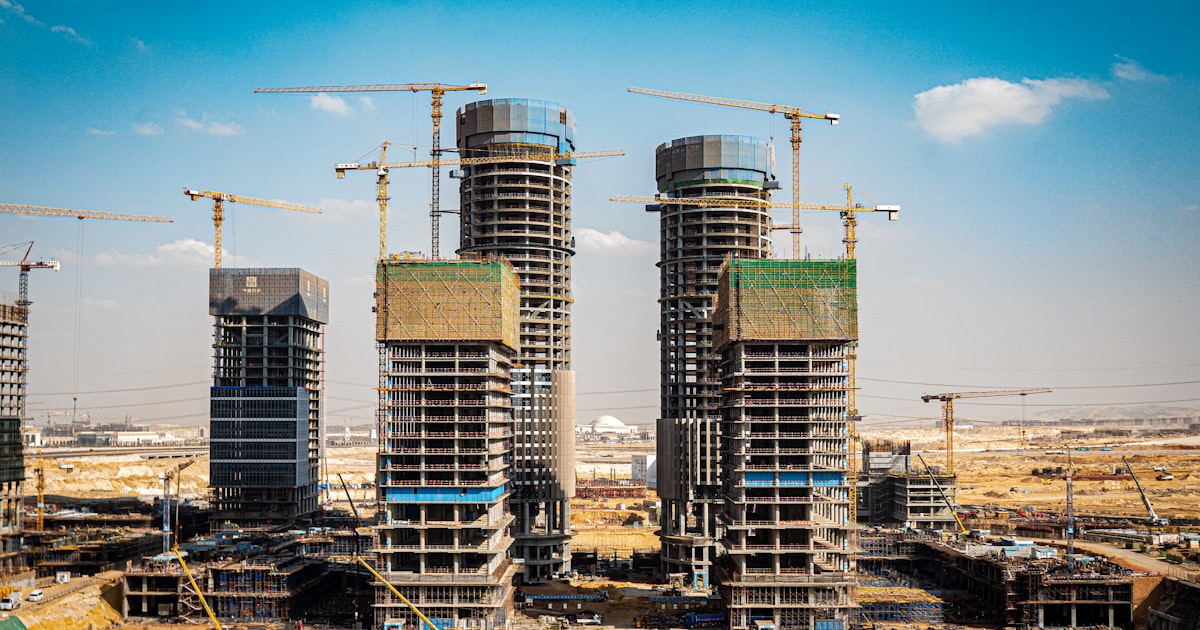
This year, the AU's theme is “Assuring sustainable water availability and safe sanitation systems to achieve the goals of Agenda 2063,” highlighting a critical area for development. You're also seeing massive infrastructure projects across the continent, totaling over $400 billion, from new rail networks like the Lobito Corridor to smart cities and renewable energy initiatives. These projects are literally reshaping trade routes and boosting energy security, showcasing indigenous ingenuity.
Leveraging Global Platforms for Impact
The AU's recent permanent membership in the G20 marks a significant milestone, giving Africa a stronger seat at the table in global economic governance. This isn't just symbolic; it's about ensuring Africa's specific priorities, from digital transformation to infrastructure financing, are actively defended and supported. As H.E. Mr. Simeón Oyono Esono Angüe, Minister of Foreign Affairs of Equatorial Guinea, stated, “Our presence here underscores a turning point in our diplomacy. We are no longer observing global decisions; we are actively co-authoring them to ensure they reflect the realities of our people.” This proactive engagement aims to translate Africa's growing influence into tangible development gains across the continent.
For you, as an Egyptian-American, these developments mean a more influential and economically dynamic Africa. A stronger continent can lead to new trade and investment opportunities, potentially benefiting your family and businesses. It also means a greater global voice for the region, which can positively impact international relations and perceptions of African nations, including Egypt.
As Africa continues to champion its own development and assert its role in a multipolar world, the coming years will be crucial in observing how these ambitious plans translate into sustained prosperity and a truly transformed continent.
Impact on Egyptian Americans
The rise of Africa and the Global South presents unique opportunities for the Egyptian American community.
- Business and Investment: Keep an eye on the growing trade and infrastructure projects across Africa. Initiatives like the AfCFTA are creating a massive single market, opening doors for Egyptian-American entrepreneurs and businesses looking to expand or invest in emerging sectors like renewable energy, technology, and agriculture.
- Advocacy and Influence: A more unified and influential Africa means a stronger voice on global issues. Engage with organizations that advocate for African and Global South interests in the U.S. to support policies that foster sustainable development and equitable partnerships.
- Cultural and Educational Exchange: These developments can also foster deeper cultural and educational ties. Explore programs that connect the diaspora with ongoing development efforts and cultural initiatives in Africa, strengthening your connection to the continent's evolving narrative.
📋 Sources & References
- TV BRICS — BRICS expansion and Global South influence
- African Union — Economic integration and private sector development initiatives
- Pangea-Risk (via Google Search snippet) — Report on major infrastructure projects in the Global South
- African Union — AU G20 priorities and Agenda 2063 alignment

editor
Founder and Editor-in-Chief of Masry US. Egyptian-American journalist covering U.S. immigration policy, community affairs, and cross-cultural stories. Mo oversees editorial direction and ensures every story serves the Egyptian and Arab diaspora with accuracy and relevance.


