Africa's Trade Bloc Accelerates Digital Customs to Ease Border Flow
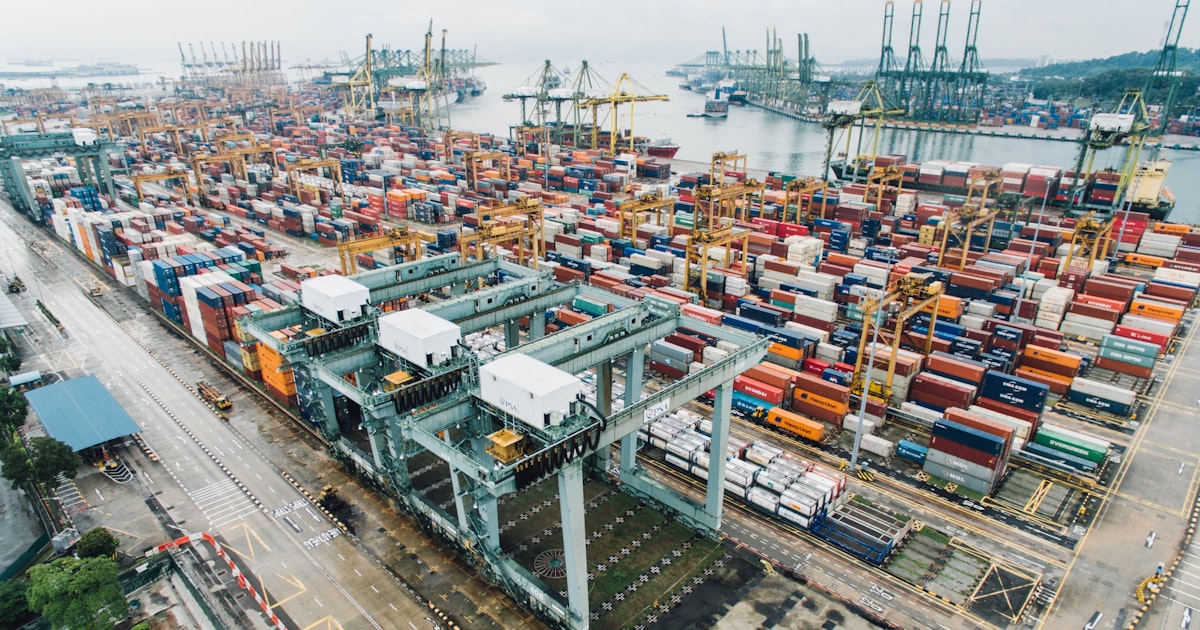
How will Africa's ambitious free trade area overcome the everyday hurdles that slow down goods and impact businesses? The African Continental Free Trade Area (AfCFTA) is making a significant push to modernize customs systems and embrace digital trade, aiming to streamline cross-border commerce and unlock the continent's economic potential. This move directly addresses long-standing challenges like customs delays and logistical inefficiencies that have historically hampered intra-African trade.
New Digital Tools for Smoother Trade
Just recently, the AfCFTA Secretariat concluded its Digital Trade Forum 2026 in Lagos, reaffirming commitments to accelerate Africa's digital trade framework. A major outcome was the signing of a landmark memorandum of understanding with Bergmans Security Consultant and Supplies Limited to modernize customs systems across the continent.
This public-private partnership will deploy digital infrastructure, including electronic cargo tracking, non-intrusive inspection technology, and a continental customs platform. These tools are designed to speed up cargo clearance, protect government revenues, and harmonize customs procedures, making it easier for businesses to move goods across borders.
Why This Matters for Africa's Growth
The AfCFTA, launched in 2021, represents the world's largest free-trade area, encompassing 1.4 billion people and a combined GDP exceeding $3 trillion. Its core aim is to boost intra-African trade, strengthen regional value chains, and promote industrialization. However, challenges like weak infrastructure and non-tariff barriers have slowed its full implementation.
Addressing these issues through digital solutions is crucial. As AfCFTA Secretary-General Wamkele Mene stated, “Africa possesses the talent, innovation capacity and technical expertise required to lead its own digital transformation.” This initiative is a practical step towards realizing the agreement's promise of lifting millions out of poverty and increasing income across the continent.
Impact on Egyptian Americans
For Egyptian-American entrepreneurs and families, these developments within the AfCFTA could mean tangible benefits. If you're running a business that imports or exports goods to or from Africa, faster customs clearance and harmonized trade rules could significantly reduce shipping times and costs. This efficiency can translate into more competitive pricing for consumers and new market opportunities for your ventures.
The modernization efforts aim to make trade more predictable and less bureaucratic, potentially opening doors for small and medium-sized enterprises (SMEs) in the diaspora to engage more easily with the African market. Keep an eye on official AfCFTA updates and resources from the African Union for specific guidelines on new digital platforms and trade facilitation measures.
The success of these digital initiatives will be measured by their real-world impact on businesses and citizens across Africa, accelerating the continent's journey towards a truly integrated market.
📋 Sources & References
- United Nations Development Programme (UNDP) — AfCFTA support and partnership details
- International Trade Research Centre (ITRC) — 2024-2025 AfCFTA Implementation Report
- TechReview Africa — Report on AfCFTA Digital Trade Forum 2026
- Arise News (via YouTube) — Report on AfCFTA customs modernization deal

editor
Founder and Editor-in-Chief of Masry US. Egyptian-American journalist covering U.S. immigration policy, community affairs, and cross-cultural stories. Mo oversees editorial direction and ensures every story serves the Egyptian and Arab diaspora with accuracy and relevance.


