Will Hamas's move to dissolve its Gaza government truly advance peace talks?

While Hamas recently announced a significant step towards a US-brokered ceasefire deal by dissolving its government in Gaza, the international community remains cautious, emphasizing that real change hinges on actions, not just promises. This move, declared on July 6, 2026, aims to transfer power to a United Nations-backed technical committee, a key component for the enclave's reconstruction.
However, the Board of Peace (BoP), chaired by US President Donald Trump and tasked with governing and rebuilding Gaza, quickly stated it would assess the impact based on “actions, not promises.” The BoP stressed that the new technocratic committee must gain control over all weapons in Gaza, as stipulated in the ceasefire agreement.
Israel, for its part, dismissed Hamas's announcement as irrelevant. The disarmament of Hamas remains a major sticking point for the second phase of the ceasefire, which has been in effect since October 10, 2025. Despite the ceasefire, hostilities have continued, with Israeli strikes occurring almost daily and over 1,000 Palestinians killed since the agreement was announced, according to the UN Office for the Coordination of Humanitarian Affairs (OCHA).
Gaza's Stalled Peace Framework
The current peace framework stems from the US-brokered “Comprehensive Plan to End the Gaza Conflict,” adopted in November 2025. This plan established the ceasefire, secured hostage releases, and endorsed the BoP as a transitional governance administration. Yet, eight months later, the interlocking steps for a lasting peace—including Hamas's disarmament, the deployment of an International Stabilization Force, and a phased Israeli Defense Forces withdrawal—have yet to advance.
International efforts are underway to support Gaza's recovery. The European Union has rallied approximately $1 billion in pledges for rebuilding, and the UK announced £10 million for early recovery efforts. The EU also launched the 'Team Gaza Initiative' to coordinate funding and practical support, bringing together international partners to mobilize political support and delivery for Gaza's early recovery.
What Gaza's Governance Shift Means for Our Community
For Egyptian Americans and Arabic-speaking immigrants, developments in Gaza's governance and reconstruction are deeply personal. Many have family and friends directly impacted by the ongoing humanitarian crisis and the slow pace of rebuilding. This latest announcement from Hamas could signal a potential, albeit fragile, step towards greater stability, but the emphasis on disarmament means the path forward is still uncertain.
It's crucial to stay informed about the actual implementation of these diplomatic efforts. Organizations like Anera continue to provide vital humanitarian aid and support early recovery initiatives on the ground. Watching whether the UN-backed technical committee truly gains control over all aspects of governance, including security, will be key to understanding if significant reconstruction efforts can finally move forward and bring relief to the people of Gaza.
📋 Sources & References
- OPB (Associated Press) — Report on Hamas dissolving its government in Gaza.
- Security Council Report — Monthly forecast on the Middle East, including the Palestinian question.
- GOV.UK — UK support for Gaza recovery and push for peace.
- Anera — Gaza and West Bank Response Log, July 2026.
editor
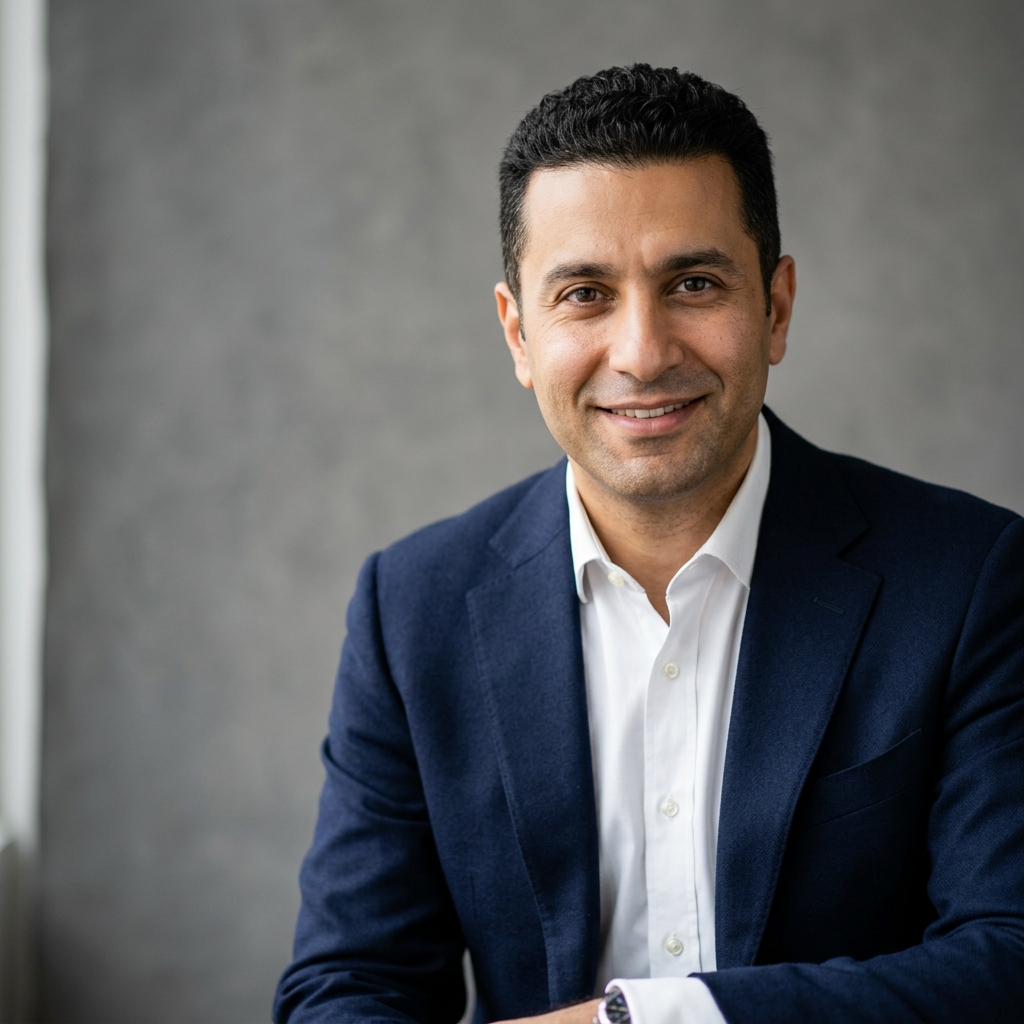
Senior political analyst covering the Middle East and North Africa. With over 15 years of experience in international affairs, Nour specializes in U.S. immigration policy, diplomatic relations, and political developments across the MENA region. Previously contributed to Al Jazeera English and Middle East Eye.


