Jeddah's Red Sea Festival Ignites New Era for Arab Cinema
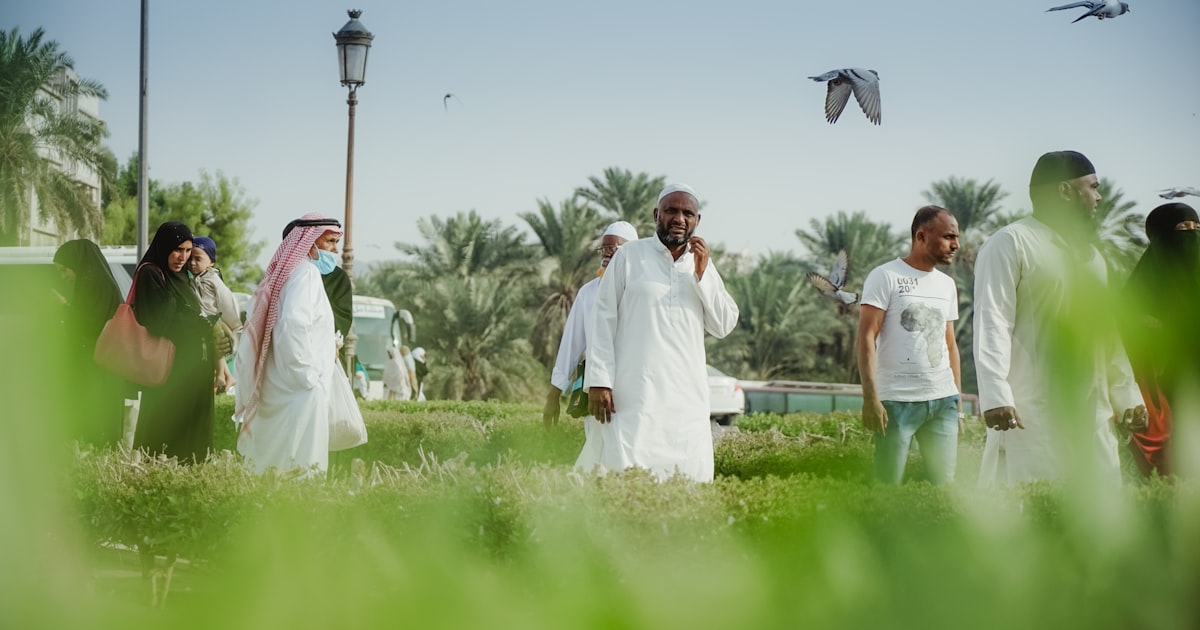
The Red Sea International Film Festival (RSIFF) is rapidly transforming the landscape of Arab cinema, evolving from a regional showcase into a global powerhouse that attracts significant investment and nurtures a new generation of filmmakers. This isn't just another festival; it's a strategic cornerstone in the region's cultural and economic diversification, particularly for Saudi Arabia.
Set to host its sixth edition from December 3-12, 2026, in Jeddah's historic Al Balad district, RSIFF has quickly cemented its position as a must-attend event in the global film calendar. It's becoming a vital platform where Arab storytelling meets international collaboration, creating unprecedented opportunities for talent across the Middle East and North Africa.
A Hub for Regional Talent and Global Investment
Saudi Arabia's film sector is experiencing explosive growth, fueled by substantial state and private investment. The Cultural Development Fund (CDF) and the Riviera Content Fund are actively drawing international capital, with a second $100 million film investment fund recently announced by CDF in partnership with BSF Capital. This financial backing is not just about funding films; it's about building an entire ecosystem.
Majed Abdulmohsen Al-Hugail, CEO of the Cultural Development Fund, highlighted this transformation, stating, "In recent years, Saudi Arabia's film sector has rapidly evolved into a more structured and investible ecosystem, marking a key shift from execution to performance." This strategic approach aims to establish Saudi Arabia as a regional content production hub, competing with established centers like Egypt and the UAE.
Empowering New Voices in Arab Storytelling
Beyond the glitz, RSIFF is a crucial incubator for emerging talent. The festival actively showcases new storytelling trends and supports filmmakers from Saudi Arabia and the wider Arab region. This includes dedicated initiatives for training programs and fostering film criticism, ensuring a robust pipeline of creative professionals.
Egyptian cinema, with its rich history, is finding new avenues through this expansion. The festival has honored Egyptian icons like Mona Zaki, with Festival Managing Director Shivani Pandya Malhotra noting, "Mona Zaki is an icon of Egyptian cinema. It is the perfect time to honour her, as Egyptian cinema is going through a moment, and Mona represents the country's filmmaking community bringing a new generation of Egyptian filmmakers together with the more established ones." This recognition underscores the festival's role in bridging generations and national cinemas within the Arab world.
Impact on Egyptian Americans
For Egyptian Americans passionate about film, this surge in Arab entertainment, particularly the growth driven by RSIFF and Saudi investment, presents significant opportunities. The festival's focus on international collaboration and market access means more chances for your stories to reach a global audience. It's not just about watching films; it's about participating in their creation and distribution.
Consider exploring the Red Sea Film Foundation's various programs and submission calls, especially if you're an aspiring filmmaker or industry professional. The festival actively seeks films from Arab, Asian, and African filmmakers, prioritizing Middle East and North African premieres. Networking at such events, even virtually, can open doors that were previously inaccessible, connecting you with producers, distributors, and fellow creatives who are shaping the future of Arab cinema.
📋 Sources & References
- Time Out Jeddah — Red Sea International Film Festival 2026 dates
- Arab News — Saudi Arabia's Red Sea International Film Festival reveals 2026 dates
- Saudi Press Agency (SPA) — Cultural Fund, Investment Ministry Promote Saudi Film Sector at Cannes Film Festival
- Arab America — The Rise of Saudi Cinema
columnist
Technology and culture correspondent covering AI, cybersecurity, and the intersection of Arab heritage with modern innovation. Yasmine holds a degree in Computer Science from Cairo University and has reported on tech ecosystems across the Middle East and Silicon Valley.


