11 Million Health Workers Needed by 2030 to Close Global Care Gap
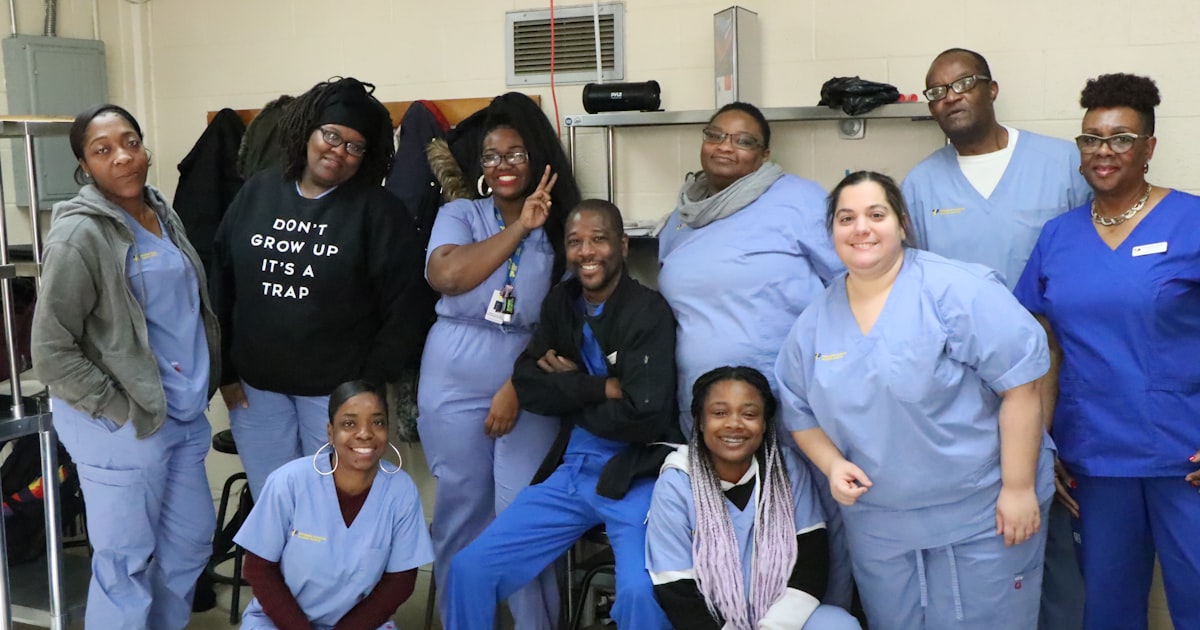
The world faces a staggering shortfall of 11 million health workers by 2030, a critical challenge threatening universal health coverage globally. This isn't just a number; it directly impacts your family's access to doctors, nurses, and essential care, especially in vulnerable communities worldwide.
📋 Key Facts
- A projected shortage of 11 million health workers is expected by 2030.
- 100 countries currently have insufficient skilled health professionals, with a deficit of 7.2 million.
- Non-communicable diseases (NCDs) caused 43 million deaths in 2021, representing 75% of global non-pandemic deaths.
- WHO reported 567 million more people gained access to essential health services in 2025, despite funding cuts.
By the Numbers: The Global Health Workforce Crisis
Right now, 100 countries fall below the critical threshold for skilled health professionals, leading to a current shortage of about 7.2 million. This gap is projected to swell to 12.9 million by 2035 if current trends, driven by population growth, continue unchecked.
The World Health Organization (WHO) highlights that 67% of the global health and social workforce are women. This means investing in healthcare workers is also a significant opportunity to create decent employment, particularly for women and youth.
Beyond staffing, non-communicable diseases (NCDs) remain a massive burden. These conditions, like heart disease, cancer, and diabetes, killed at least 43 million people in 2021, accounting for 75% of all global deaths not related to pandemics. A shocking 82% of these premature NCD deaths occur in low- and middle-income countries, where healthcare access is already strained.
Despite these challenges, there's been some good news. The WHO's 2025 Results Report showed that 567 million additional people gained access to essential health services, an increase of 136 million from 2024. This progress happened even as the organization faced significant funding cuts.
Why These Numbers Matter to You
When there aren't enough doctors or nurses, it means longer wait times, less specialized care, and a higher risk of preventable illnesses becoming serious. This directly impacts your family's well-being, whether it's getting a routine check-up or emergency treatment. The shortage is particularly acute in low- and middle-income countries, where many Egyptian-American families have ties, making it harder for relatives abroad to receive adequate care.
“The world is facing an 11 million health worker shortage by 2030 to achieve universal health coverage,” stated the World Medical Association (WMA). This isn't just about distant hospitals; it's about the fundamental right to health for everyone, everywhere.
The Trend: A Persistent Gap Amidst Progress
While global health initiatives are making strides in areas like disease prevention and emergency preparedness, the health workforce crisis remains a stubborn obstacle. The chronic under-investment in training and retaining health workers, coupled with international migration, continues to exacerbate shortages. Addressing this requires sustained, flexible financing and innovative strategies to build resilient health systems, especially in regions most in need.
Impact on Egyptian Americans: Bridging the Healthcare Divide
For Egyptian Americans, this global health landscape has a dual impact. Many have family members in Egypt or other Arab nations that are directly affected by healthcare workforce shortages and NCD burdens. Understanding these global trends can help you advocate for better support for healthcare infrastructure in your home countries.
If you're an Egyptian American interested in contributing to global health, consider the WHO Global Public Health Online Learning Initiative. These free, self-paced courses cover critical topics like emergency response and disease management, offering a valuable pathway to make an impact without financial barriers. It's a practical way to gain expertise and help address these pressing global challenges.
📋 Sources & References
- World Health Organization (WHO) — Information on health workforce shortages and projections.
- UN News — Report on WHO's 2025 health gains despite funding cuts.
- World Health Organization (WHO) — Data on non-communicable diseases mortality.
- World Medical Association (WMA) — Resolution on the global health workforce shortage.
author
Economy and public health reporter covering financial markets, Egyptian economic reforms, and healthcare access for immigrant communities. Bridges macroeconomic trends with their real-world impact on Arab American families.


