Health
4 min read
5 Critical Truths About Arab American Mental Health

A 2021 study revealed that a staggering 60% of Arab American participants screened positively for depression, highlighting a pressing, often overlooked, crisis within the community. This figure underscores the urgent need to address mental health and wellness among Egyptian-Americans and other Arabic-speaking immigrants in the U.S.Navigating life in a new country brings unique joys and challenges, but for many Arab Americans, the journey is compounded by significant mental health hurdles. From cultural stigmas to the lingering effects of discrimination, understanding these factors is the first step toward fostering a healthier, more resilient community.
The Silent Struggle: Why Mental Health is a Growing Concern
Arab Americans, particularly immigrants and refugees, face elevated rates of depression, anxiety, and post-traumatic stress disorder (PTSD). These challenges often stem from a complex interplay of factors:- Trauma and Displacement: Many have migrated due to political violence or religious persecution, leading to higher levels of anxiety and depression.
- Acculturative Stress: The pressure to adapt to a new culture, coupled with unfair treatment, can increase the odds of developing depression.
- Discrimination and Islamophobia: Post-9/11 discrimination, harassment, and hate crimes have led to increased psychological distress and lower happiness levels. Young Muslims and women are particularly vulnerable to being targeted.
- Socio-economic Pressures: Arab Americans are more likely to lack health insurance and face financial challenges, despite often having higher education levels.
Barriers to Seeking Help: More Than Just Language
Despite the clear need, many Arab Americans hesitate to seek professional mental health care. This reluctance is deeply rooted in cultural and systemic issues:- Stigma: Mental health conditions are often viewed as spiritual or supernatural, or as a source of shame and disgrace for the family. Reputation and family honor are highly valued, making individuals reluctant to disclose struggles.
- Lack of Culturally Competent Care: There's a scarcity of educational materials in Arabic and a limited number of therapists who understand Arab cultures and languages.
- Preference for Informal Support: Many prefer to seek counsel from family members or faith leaders, such as imams, rather than mental health professionals.
Building Resilience: Strengths Within the Community
Amidst these challenges, the Arab American community possesses significant protective factors:- Faith and Spirituality: For many, faith plays a vital role in well-being, offering comfort and healing that can complement medical interventions.
- Strong Family and Community Ties: Deep connections to family and culture provide a supportive network and a buffer against acculturative stress.
- Resilience: Immigrants often demonstrate remarkable resilience, leveraging community ties and cultural identity to navigate difficulties.
Self-Care and Wellness: Practical Steps for a Healthier Mind
Integrating self-care into daily life is crucial. Strategies can be broadly categorized into social, psychological, and religious/spiritual practices. Simple yet powerful techniques include:- Mindful Breathing: Lengthening your exhale can help calm an overwhelmed body.
- Practicing Gratitude: Acknowledging positive aspects of life can shift your mental state.
- Prioritizing Needs: Especially during difficult days, focus on basic needs and communicate them to your support network.
- Challenging Negative Thoughts: Replace self-criticism with self-compassion, treating yourself with kindness.
Practical Steps: Accessing Support
If you or a loved one are struggling, remember you are not alone, and help is available. Seeking support is a sign of strength, not weakness.- Find Culturally Competent Therapists: Utilize directories like AMENA-Psy, Inclusive Therapists, Zencare, or Psychology Today to find Arabic-speaking or culturally sensitive mental health professionals.
- Explore Community Organizations: Groups like the Arab American Family Support Center (AAFSC) and ACCESS offer culturally and linguistically appropriate services, including mental health counseling and health navigation.
- Utilize Online Resources: Websites like Mindfulness in Arabic and Ilajnafsy offer trauma-sensitive mindfulness courses and web-based treatments in Arabic. The USCRI Wellness Helpline (800-615-6514) provides counseling and support for immigrants and refugees.
- Talk to Trusted Individuals: While professional help is vital, don't underestimate the power of confiding in trusted family members, friends, or faith leaders.
- Advocate for Better Data: Support initiatives that call for disaggregated health data on Arab Americans to ensure their unique needs are recognized and addressed in policy and funding.
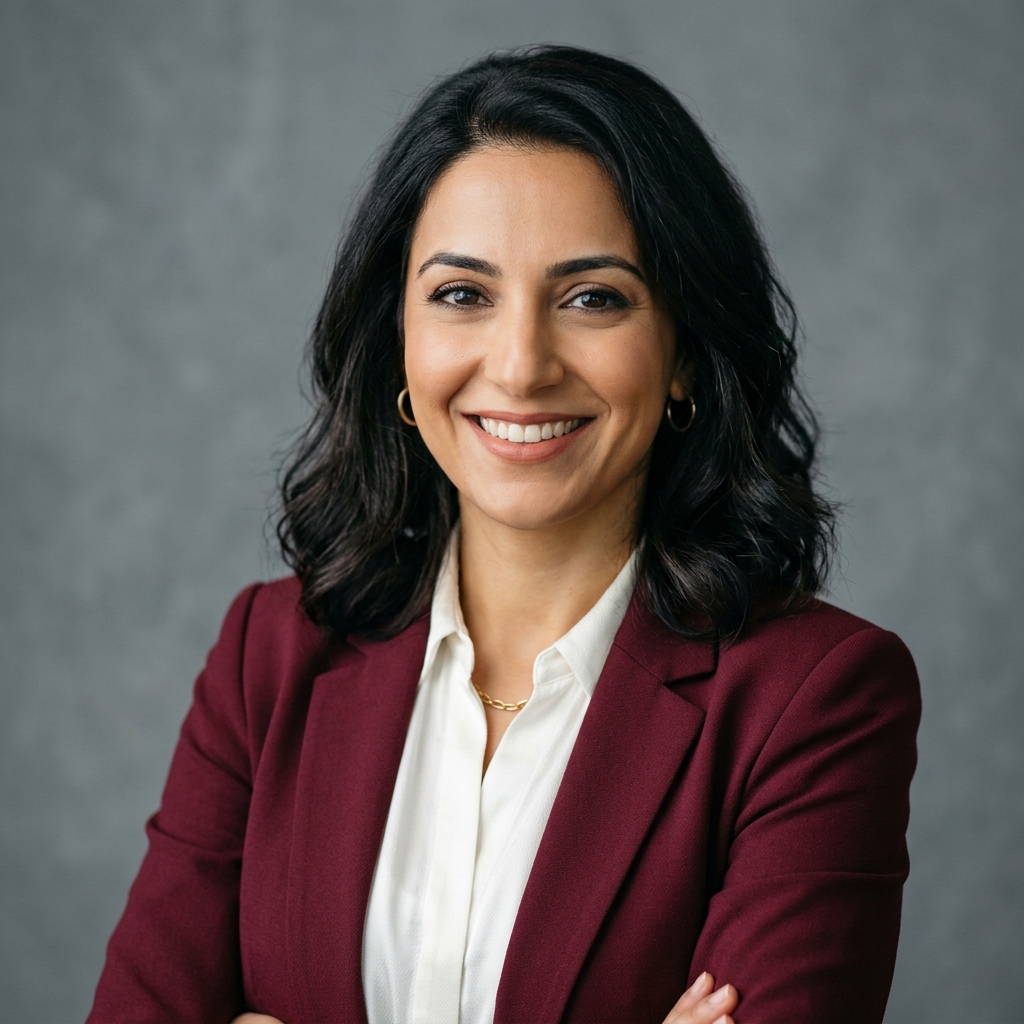
Fatima Ali
author
Economy and public health reporter covering financial markets, Egyptian economic reforms, and healthcare access for immigrant communities. Bridges macroeconomic trends with their real-world impact on Arab American families.


