Health
5 min read
How Global Funding Shortfalls Drive Disease Surges and Health Inequity
Report
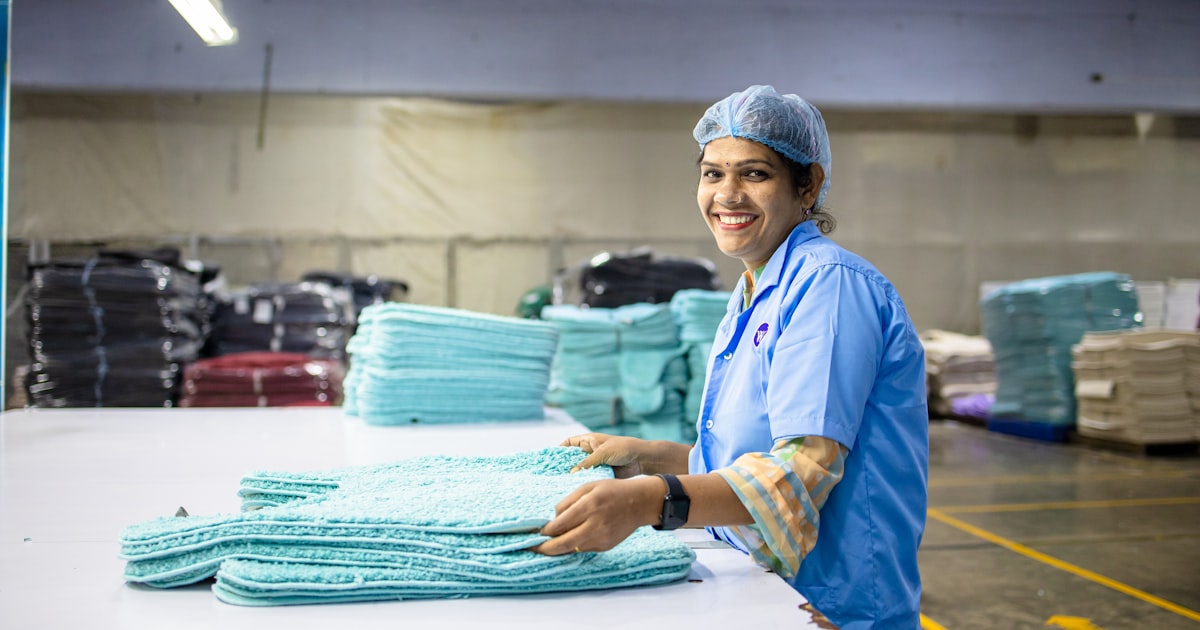
Global health systems are facing a critical juncture, with recent funding shortfalls directly fueling a dangerous surge in preventable diseases and exacerbating health inequities worldwide. It's a stark reality that impacts not just distant nations, but the interconnected global community we all share.
📋 What to Know
- Global health funding faced severe cuts in 2025, particularly from the United States, impacting vital programs like PEPFAR and USAID.
- These cuts have led to a surge in preventable diseases, including cholera, measles, mpox, and dengue, especially in Africa and Latin America.
- Health inequities are worsening, with billions in low- and middle-income countries unable to access essential medicines and healthcare.
- The World Health Organization (WHO) continues to face challenges in responding to health emergencies amidst these financial strains.
The "Brutal Year" of Funding Cuts
Last year, 2025, was described as a "brutal year for global health" by Health Policy Watch, marked by significant cuts in development aid to countries most in need. This included a "shock pause" in all development aid from the United States, which severely impacted crucial programs like the US President's Emergency Plan for AIDS Relief (PEPFAR) and led to the dismantling of the US Agency for International Development (USAID). These decisions had immediate and devastating consequences. Clinics across Africa were forced to close, turning away patients who relied on life-saving antiretroviral medicine for HIV and tuberculosis, according to Health Policy Watch. The reduced support for UN agencies, including the World Health Organization (WHO), has also hampered their ability to respond effectively to health emergencies globally.A Resurgence of Preventable Diseases
The ripple effect of these funding cuts is a concerning rise in disease outbreaks. Africa, for instance, has experienced large outbreaks of cholera, measles, Lassa fever, and mpox. Latin America and the Caribbean have also seen record-breaking cases of mosquito-borne dengue fever, with climate change playing a significant role in its spread. These resurgences highlight a painful truth: when public health infrastructure is weakened, preventable diseases gain ground. The World Health Organization (WHO) has been actively working on initiatives like strengthening Public Health and Social Measures (PHSM) during emergencies, but these efforts require sustained investment to be truly effective.The Human Cost of Health Inequity
Beyond immediate outbreaks, these funding challenges deepen existing health inequities. Billions of people, particularly in low- and middle-income countries (LMICs), still lack access to essential medicines and basic healthcare services. This creates an unacceptable gap between those who can access care and those who cannot, driven by factors like socioeconomic status, education, and environmental conditions. As Sheila Tlou, co-chair of the Global HIV Prevention Coalition, powerfully stated, "fair access to healthcare is a political choice." The decisions made regarding global health funding directly determine who gets a chance at a healthy life and who is left behind. Project HOPE highlights that underinvestment in primary healthcare and gaps in services, including immunization and safe childbirth, are hampering progress towards global health targets. This situation means that families in vulnerable communities face increased risks of illness and death, not because treatments don't exist, but because the systems to deliver them are crumbling under financial strain. It's a cycle that can trap generations in poverty and ill-health.Impact on Egyptian Americans
While these crises might seem distant, their impact can reach Egyptian Americans and other Arabic-speaking immigrants in the US. Global health threats, like the resurgence of infectious diseases, don't respect borders. New variants can emerge and spread, potentially affecting travel to visit family abroad or even impacting public health here at home. Moreover, many in our community have family and friends in regions directly affected by these funding cuts and disease surges, making these global health challenges deeply personal.What to Watch Next
The global health community is pushing for renewed commitment and investment. The adoption of a new WHO Pandemic Agreement in 2025, aimed at strengthening global cooperation and equitable access to life-saving tools, offers a glimmer of hope. However, the effectiveness of such agreements hinges on the political will and sustained financial support from member states. Keeping an eye on international aid commitments and the WHO's ongoing efforts to address funding gaps will be crucial in the coming months.📋 Sources & References
- Health Policy Watch — Report on global health challenges and funding cuts in 2025.
- World Health Organization (WHO) — Information on the One Health Summit and WHO initiatives.
- Project HOPE — Analysis of key health issues for 2025, including endemic infectious diseases and maternal health.
- Access to Medicine Foundation — Insights into global health inequality and access to medicines.
Fatima Ali
author
Economy and public health reporter covering financial markets, Egyptian economic reforms, and healthcare access for immigrant communities. Bridges macroeconomic trends with their real-world impact on Arab American families.


