Health
5 min read
60 Million Americans Face Mental Illness as Tech Reshapes Wellness
Explainer
Over 60 million adults in the U.S. experienced some form of mental illness in the past year, a figure that remains stubbornly high even as technology rapidly transforms how we approach mental health and wellness. This evolving landscape presents both groundbreaking opportunities and unique challenges, especially for communities like Egyptian-Americans and other Arabic-speaking immigrants.
How is technology changing mental health support?
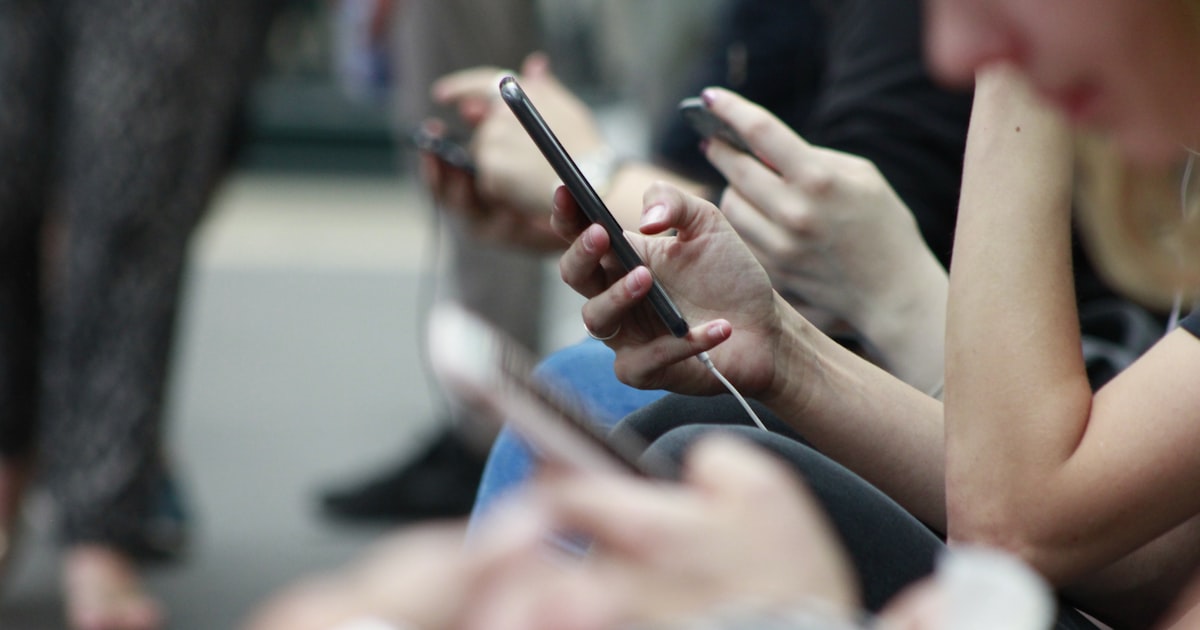
Technology is fundamentally reshaping how we access and experience mental health care, offering both convenience and new complexities. Virtual sessions with a behavioral health specialist, known as teletherapy, have become a standard offering, breaking down geographical barriers and providing a convenient option for many. Beyond traditional therapy, innovative AI tools, virtual reality (VR) therapy, and digital mental health platforms are emerging, providing 24/7 support, controlled exposure environments for conditions like PTSD, and sophisticated apps for cognitive behavioral therapy (CBT) exercises and mood tracking. However, this digital reliance isn't without its downsides. A 2025 report by Mental Health America highlights that over 75% of users feel heavily reliant on technology and use it when they don't need to, with 44% admitting they do nothing to minimize its negative impact. This digital strain can contribute to increased rates of anxiety, depression, and burnout, particularly among younger generations.What are the biggest mental health challenges for Arab Americans?
Arab American communities face distinct mental health challenges, often exacerbated by unique stressors. Higher rates of depression, anxiety, and PTSD are reported, stemming from immigration-related stress, discrimination, political trauma, and the pressure of acculturation. A significant barrier is the pervasive stigma within these communities, where mental health conditions are sometimes understood through spiritual or supernatural lenses, differing from Western medical views. This stigma, coupled with language barriers and a scarcity of culturally competent providers, makes seeking professional help difficult. As one article notes, "Arab Americans are more likely to seek counsel from family instead of mental health professionals when experiencing mental health symptoms." Furthermore, the lack of disaggregated health data, as Arab Americans are often categorized as "White" in federal reporting, obscures these disparities and hinders targeted support.Why is self-care more important than ever?
In a world with increasing digital strain and persistent mental health challenges, self-care has moved from a luxury to a necessity. It encompasses activities and practices you engage in regularly to reduce stress and maintain your overall well-being. Prioritizing self-care can significantly reduce anxiety and depression, lower stress levels, and boost happiness. Effective self-care strategies include practicing mindfulness, maintaining a regular exercise routine, eating a balanced diet, establishing a consistent sleep schedule, and staying connected with loved ones. These practices are crucial for building resilience and equipping you to better navigate life's inevitable difficulties.What new therapies are gaining traction?
Beyond traditional talk therapy, several innovative modalities are gaining prominence for their effectiveness and efficiency. Eye-movement-based therapies like EMDR (Eye Movement Desensitization and Reprocessing) and Brainspotting are being used to address deep-seated trauma more rapidly. Somatic Experiencing focuses on using body awareness to heal trauma that words alone might not reach, while Internal Family Systems (IFS) helps individuals work with their "inner parts" to resolve long-standing patterns. There's also a growing emphasis on integrative health approaches, combining conventional and alternative medicine. This includes practices like acupuncture, herbal medicine, and functional medicine, often used alongside traditional treatments to enhance overall well-being. The goal is a holistic approach that addresses the mind, body, and spirit for comprehensive healing.Community Perspective: How can Egyptian Americans find culturally sensitive mental health support?
Finding mental health support that respects your cultural background is crucial. Many organizations are working to bridge this gap. You can look for directories like Inclusive Therapists, which connects individuals with culturally competent therapists who understand the unique struggles of marginalized communities. Additionally, community and religious organizations often provide mental health resources and support tailored to immigrant populations. Don't let concerns about immigration status deter you; you are not required to disclose your immigration status to access care, and strong privacy rules protect patients at hospitals and health clinics. Seeking out peer support groups, such as those offered by NAMI, can also provide a safe space to share experiences with others who understand your journey.📋 Sources & References
- Mental Health America — The State of Mental Health in America 2025 report.
- USAHello — Find mental health resources for immigrants and refugees.
- Oaks Integrated Care — Mental Health Support for Immigrant Communities.
- Grow Therapy — 8 mental health trends driving change in U.S. care in 2026.
Fatima Ali
author
Economy and public health reporter covering financial markets, Egyptian economic reforms, and healthcare access for immigrant communities. Bridges macroeconomic trends with their real-world impact on Arab American families.


