WHO Seeks $1 Billion to Avert Health Catastrophe in 36 Crises
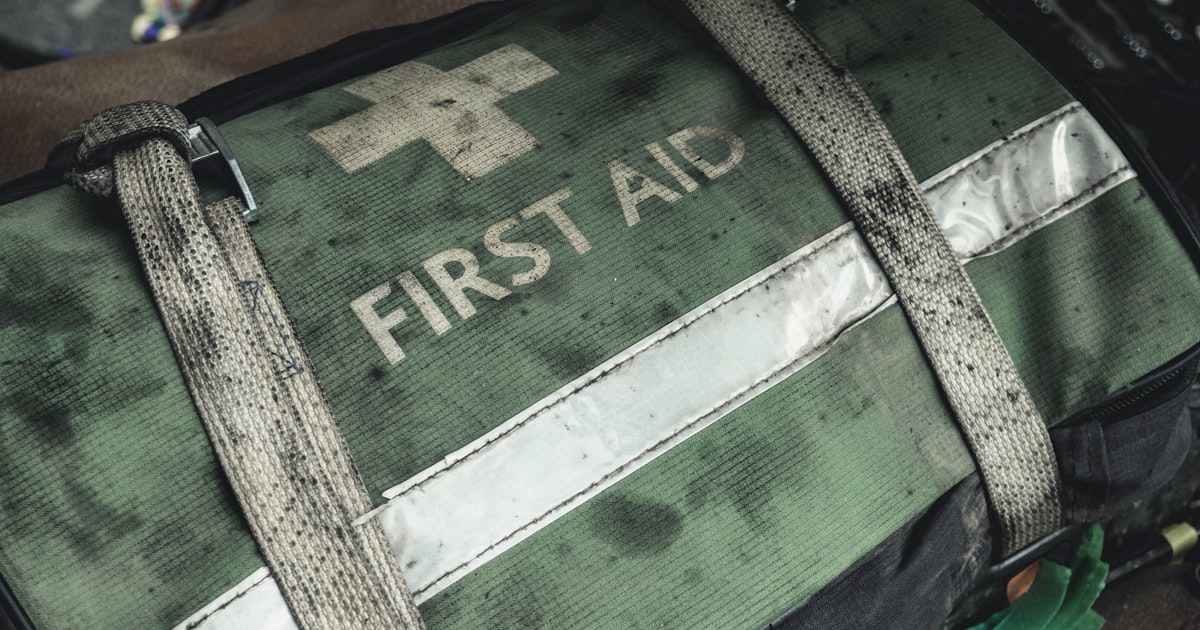
Across 36 critical health emergencies worldwide, the World Health Organization (WHO) is facing a severe funding shortfall, launching an urgent appeal for nearly $1 billion to sustain life-saving interventions. This critical gap threatens millions of people caught in conflicts, disasters, and disease outbreaks, underscoring a fragile global health landscape.
The WHO's 2026 global appeal targets a range of crises, including 14 classified as Grade 3 emergencies—the highest level of organizational response. These situations, from protracted conflicts in places like Sudan and Yemen to ongoing outbreaks of cholera and mpox, demand immediate and flexible funding to prevent further loss of life and widespread suffering.
The Dire Human Cost of Underfunding
When funding falls short, the most vulnerable pay the highest price. Health systems in crisis-affected regions are collapsing under severe constraints, disrupting essential services like vaccinations and maternal health care for over 53 million people. This means that basic medical attention, often taken for granted, becomes a luxury, leading to preventable illnesses and deaths, especially among women and children.
For example, in conflict zones, access to clean water and sanitation is often compromised, fueling outbreaks of diseases like cholera. Without adequate funding, the WHO and its partners struggle to deliver trauma care, provide essential medicines, and maintain basic health infrastructure. This isn't just about statistics; it's about families losing loved ones to treatable conditions because help simply isn't available.
Global Health Security at Risk
The impact of underfunded emergencies extends far beyond their immediate borders, posing a significant threat to global health security. When outbreaks in one region are not contained due to lack of resources, they can quickly spread, creating new challenges for countries worldwide. The WHO's role in coordinating over 1,500 partners across 24 emergency settings is indispensable for delivering critical responses and preventing wider contagion.
Dr. Tedros Adhanom Ghebreyesus, WHO Director-General, emphasized the strategic importance of this appeal. “This appeal is a call to stand with people living through conflict, displacement and disaster – to give them not just services, but the confidence that the world has not turned its back on them,” he stated. “It is not charity. It is a strategic investment in health and security.”
Impact on Egyptian Americans
For Egyptian Americans and other Arabic-speaking immigrants, these global health crises, though geographically distant, can resonate deeply. Many have family or community ties to regions impacted by conflict and humanitarian emergencies, such as Sudan, Yemen, or the Syrian Arab Republic, which are explicitly mentioned in the WHO's appeal. Understanding these challenges can inform how you engage with international aid organizations or support community efforts aimed at alleviating suffering.
You can contribute by staying informed about the specific needs of affected populations and supporting reputable organizations working on the ground. Consider looking into organizations that partner with the WHO or focus on health interventions in these critical areas. Your awareness and support, even from afar, can make a tangible difference in ensuring that essential health services reach those who need them most.
The WHO's 2026 appeal is a stark reminder that global health is a shared responsibility. Sustained, flexible, and front-loaded funding is crucial not only for saving lives in immediate crises but also for building resilient health systems that protect everyone, everywhere, from future threats.
📋 Sources & References
- World Health Organization (WHO) — WHO launches 2026 appeal for health emergencies
- World Health Organization (WHO) — Global health gains face threat of reversal report
- PMC - NIH — WHO's 2026 emergency appeal and global health security
author
Economy and public health reporter covering financial markets, Egyptian economic reforms, and healthcare access for immigrant communities. Bridges macroeconomic trends with their real-world impact on Arab American families.


