Should WHO declare climate change a global health emergency?
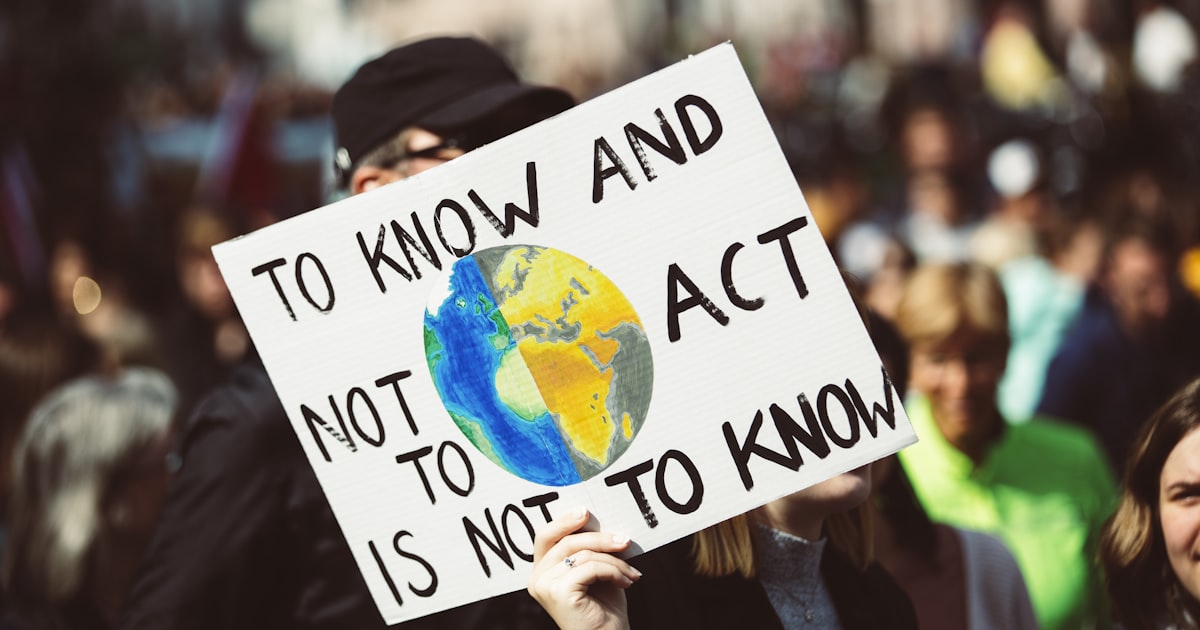
An estimated 7 million premature deaths occur annually due to air pollution, a major contributor to both climate change and health issues, according to the WHO. Now, leading international experts are urging the World Health Organization (WHO) to declare climate change a global public health emergency, a move that could fundamentally shift how the world tackles this crisis.
Why are experts calling for this declaration now?
Experts believe the current response to climate change isn't matching its scale. The independent Pan-European Commission on Climate and Health argues that climate change is no longer a distant environmental threat but an immediate crisis affecting health, food, water, energy, and security.
Katrín Jakobsdóttir, former Prime Minister of Iceland and chair of the commission, emphasized the personal impact, stating, "Climate change is not happening somewhere else, to someone else, in the future. It is shortening lives in European cities right now. It is filling hospitals." This highlights the urgent need for a more coordinated and robust international response.
What does a "Public Health Emergency of International Concern" (PHEIC) mean?
A PHEIC is the highest level of health alert the WHO can declare, previously used for crises like COVID-19 and Mpox. While it wouldn't reverse climate change on its own, such a declaration would trigger a coordinated international response, mobilizing resources and attention on a scale the health crisis demands.
This designation would elevate climate change from a chronic background condition to an acute, escalating threat, pushing governments to act with greater urgency. It would also help to align global efforts and policies more effectively.
How does climate change directly impact our health?
Climate change threatens the essential ingredients for good health: clean air, safe drinking water, nutritious food, and safe shelter. It's expected to cause approximately 250,000 additional deaths per year between 2030 and 2050 from malnutrition, malaria, diarrhea, and heat stress alone.
Beyond these direct impacts, climate change also drives the international spread of vector-borne diseases like dengue and chikungunya, increases the health impacts of extreme weather events, and contributes to food insecurity and air pollution. It's even linked to rising anxiety and other mental health issues.
What actions are being recommended to address this?
The Pan-European Commission on Climate and Health has put forth 17 recommendations. These include treating climate change as a health security threat, making health systems more climate-resilient, scaling up local action, and reforming financial systems that still support fossil fuel use.
Sir Andrew Haines, a professor of environmental change and public health, noted that continuing current emission rates will accelerate health risks for both current and future generations, leading to more suffering and deaths from excess heat, floods, infectious diseases, and air pollution. Redirecting public money towards clean energy, public transport, and sustainable diets could save lives and reduce long-term costs.
Impact on Egyptian Americans
For Egyptian Americans, understanding global health trends like the health impacts of climate change is crucial, especially as many have family abroad in regions highly vulnerable to these shifts. Here in the U.S., communities face increasing risks from extreme heat, poor air quality, and changes in disease patterns. Staying informed helps you advocate for local policies that protect public health and support global initiatives.
You can take action by supporting organizations working on climate and health, reducing your own carbon footprint, and staying updated on local health advisories related to air quality or extreme weather. Resources from the CDC and local health departments can provide specific guidance for your area.
📋 Sources & References
- World Health Organization (WHO) — Climate Change and Health overview
- The Guardian — Experts urge WHO to declare climate health emergency
- WHO Regional Office for Europe — Climate change is a health crisis – and fixing it is a health opportunity
- World Economic Forum — WHO urged to declare climate health emergency, and other climate and nature news

author
Economy and public health reporter covering financial markets, Egyptian economic reforms, and healthcare access for immigrant communities. Bridges macroeconomic trends with their real-world impact on Arab American families.


