Why are billions still without essential healthcare?
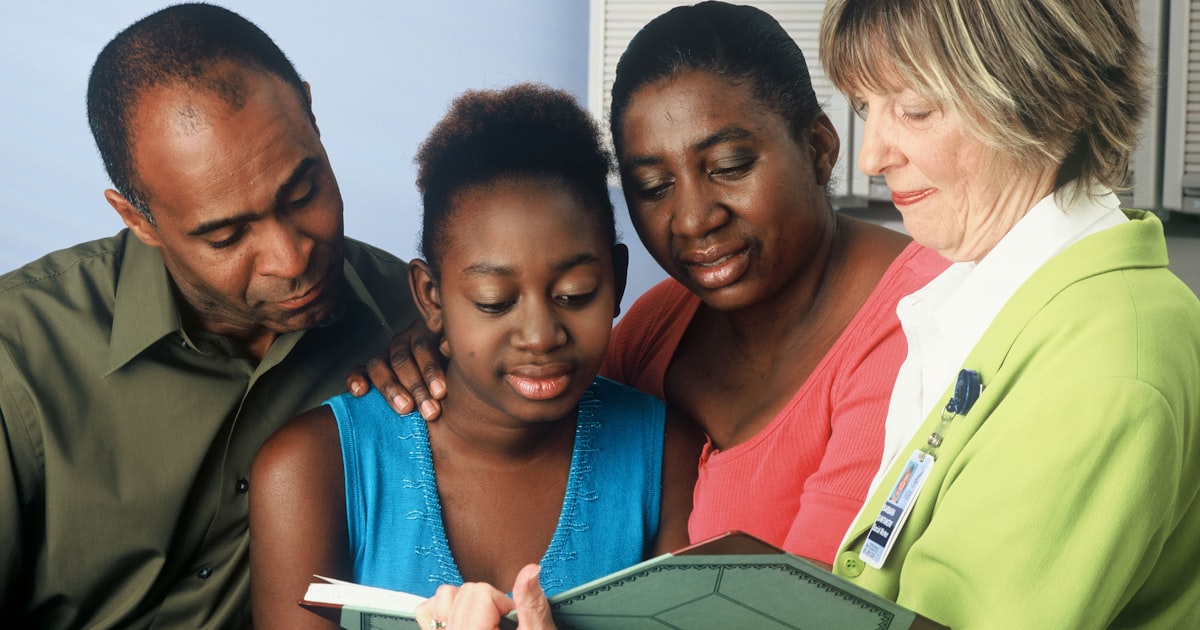
Imagine needing a doctor but knowing the cost could plunge your family into poverty. This isn't a distant problem; it's a daily reality for billions worldwide. Despite global efforts, a recent World Health Organization (WHO) report reveals that a staggering number of people still lack access to basic health services, often due to financial barriers.
What does "universal health coverage" really mean?
Universal health coverage (UHC) is a global commitment that aims to ensure everyone, everywhere, can access the healthcare they need without facing financial hardship. It's about more than just having hospitals; it includes essential services like prevention, treatment, rehabilitation, and palliative care. The goal is to make health a right, not a privilege.
How many people are still missing out on essential healthcare?
The numbers are sobering. An estimated 4.6 billion people globally still can't access essential health services. Even more concerning, 2.1 billion people face financial hardship just trying to get care, with 1.6 billion pushed deeper into poverty because of health expenses. This means that for many, a single illness can devastate their family's economic stability.
What are the biggest barriers to achieving global health equity?
The challenges are complex and interconnected. Low public funding for healthcare is a major hurdle, with 141 governments spending less than 5% of their GDP on health in 2022. Beyond money, factors like where people live, their income, education level, and even discrimination based on gender or ethnicity create significant disparities. The WHO highlights that underlying causes of ill health often come from outside the health sector, such as inadequate housing, education, and job opportunities.
How is funding impacting these efforts?
Funding is critical, and unfortunately, it's often insufficient. Many low- and middle-income countries struggle with limited health infrastructure and a shortage of medical staff because they simply don't have the resources. The WHO's 2026 appeal seeks nearly $1 billion to respond to 36 emergencies, underscoring the constant need for financial support to maintain health services in crisis-affected areas. As Dr. Tedros Adhanom Ghebreyesus, WHO Director-General, put it, “Universal health coverage is the ultimate expression of the right to health, but this report shows that for billions of people who cannot access or afford the health services they need, that right remains out of reach.”
What is the WHO doing to address these disparities?
The WHO is actively working to strengthen health systems and promote equitable access. Their 2024-2025 Results Report shows progress, with an estimated 431 million more people gaining access to essential health services without catastrophic costs. They are also focusing on initiatives like the Global Strategy on Infection Prevention and Control to reduce healthcare-associated infections by 2030, which can significantly lower health costs and improve patient safety. Additionally, the WHO is advocating for measures to address income inequality, structural discrimination, and the health risks posed by climate change.
Impact on Egyptian Americans: Navigating Global Health Challenges
For Egyptian Americans, understanding these global health disparities can offer perspective on healthcare systems both here and abroad. While the U.S. has its own challenges with healthcare access and costs, many immigrant families still have ties to countries where these issues are far more pronounced. Being aware of the WHO's efforts can help you identify reputable international health organizations if you or your family abroad ever need assistance.
You can also advocate for policies that support global health initiatives and equitable access to care, both domestically and internationally. Supporting organizations that work to strengthen primary healthcare in underserved communities can make a tangible difference, ensuring that more people, including those in your home country, have a chance at a healthier life.
Bottom Line
Despite some progress, the world is still far from achieving universal health coverage, with billions facing financial hardship or lacking access to essential care. The intertwined challenges of underfunding, social inequalities, and global emergencies continue to strain health systems, making the WHO's ongoing efforts to advocate for equitable access and stronger health infrastructure more critical than ever.
📋 Sources & References
- World Health Organization — Report on universal health coverage progress and challenges
- UN News (WHO) — Article on global health checkup and challenges
- Human Rights Watch — Report on global healthcare funding inequalities
- World Health Organization — Article on health inequities and their causes
author
Economy and public health reporter covering financial markets, Egyptian economic reforms, and healthcare access for immigrant communities. Bridges macroeconomic trends with their real-world impact on Arab American families.


