Hamas Agrees to Disarm Under Trump's Gaza Peace Plan: What Happens Next?

📋 Key Facts
- Hamas has agreed to a deal for its complete disarmament and the gradual withdrawal of Israeli forces from the Gaza Strip.
- The agreement is part of the second phase of the US-brokered Gaza ceasefire plan, announced by President Donald Trump on July 30, 2026.
- A Palestinian National Committee for the Administration of Gaza (NCAG) is set to take over internal security and lead reconstruction efforts.
- The Board of Peace, chaired by President Trump, will oversee the implementation of the ceasefire and disarmament.
This development comes after months of difficult negotiations, as confirmed by Nickolay Mladenov, the Board of Peace's high representative for Gaza. The agreement aims to pave the way for the reconstruction of the devastated enclave and establish a new governance structure.
A Roadmap for Gaza's Future
Under the newly agreed-upon roadmap, Hamas will hand over its weapons to a Palestinian governing committee. This committee, known as the Palestinian National Committee for the Administration of Gaza (NCAG), is slated to assume responsibility for internal security within the Strip.
The Board of Peace, chaired by President Trump and including international figures like Sir Tony Blair, has been instrumental in overseeing the peace framework. Its role is to monitor the ceasefire, ensure Hamas' disarmament, and facilitate the withdrawal of Israeli forces.
Challenges and Regional Implications
While the agreement is a diplomatic breakthrough, its implementation faces considerable challenges. Israeli hardliners, including National Security Minister Itamar Ben Gvir, have denounced the deal as "unacceptable," arguing against any withdrawal without genuine disarmament. This highlights the deep skepticism and complex political landscape surrounding the peace process.
UN Secretary-General Antonio Guterres acknowledged the agreement as a "rare positive development" amidst broader regional instability, including ongoing conflicts involving the United States, Israel, and Iran. The focus now shifts to ensuring that the terms are genuinely implemented and verified on the ground, as emphasized by Mladenov: "Implementation and verification have to be real."
Impact on Egyptian Americans
For Egyptian Americans and Arabic-speaking immigrants, these diplomatic shifts in the Middle East carry significant weight. The potential for a more stable Gaza could mean improved humanitarian conditions and opportunities for reconstruction, which directly impacts families and communities with ties to the region. Watching how this agreement unfolds is crucial, as genuine peace could alleviate long-standing anxieties about the safety and well-being of loved ones.
The success of this disarmament plan and the subsequent reconstruction efforts could also influence regional economic stability, potentially opening doors for investment and humanitarian aid from the diaspora. Keeping an eye on official announcements from the Board of Peace and international bodies will provide clarity on how these changes might affect your family and the broader community.
The coming months will be critical for verifying the disarmament of armed groups and the phased withdrawal of Israeli forces. The international community, led by the Board of Peace, will closely monitor these steps, and their success will determine the true path to lasting peace and a new governance structure for Gaza.
📋 Sources & References
- Axios — Report on Trump's announcement of Hamas disarmament.
- Global News — Details on Hamas agreeing to disarm under the Trump plan.
- Council on Foreign Relations — Guide to the Gaza Peace Deal and the Board of Peace.
- The White House — Statement on President Trump's Comprehensive Plan to End the Gaza Conflict.
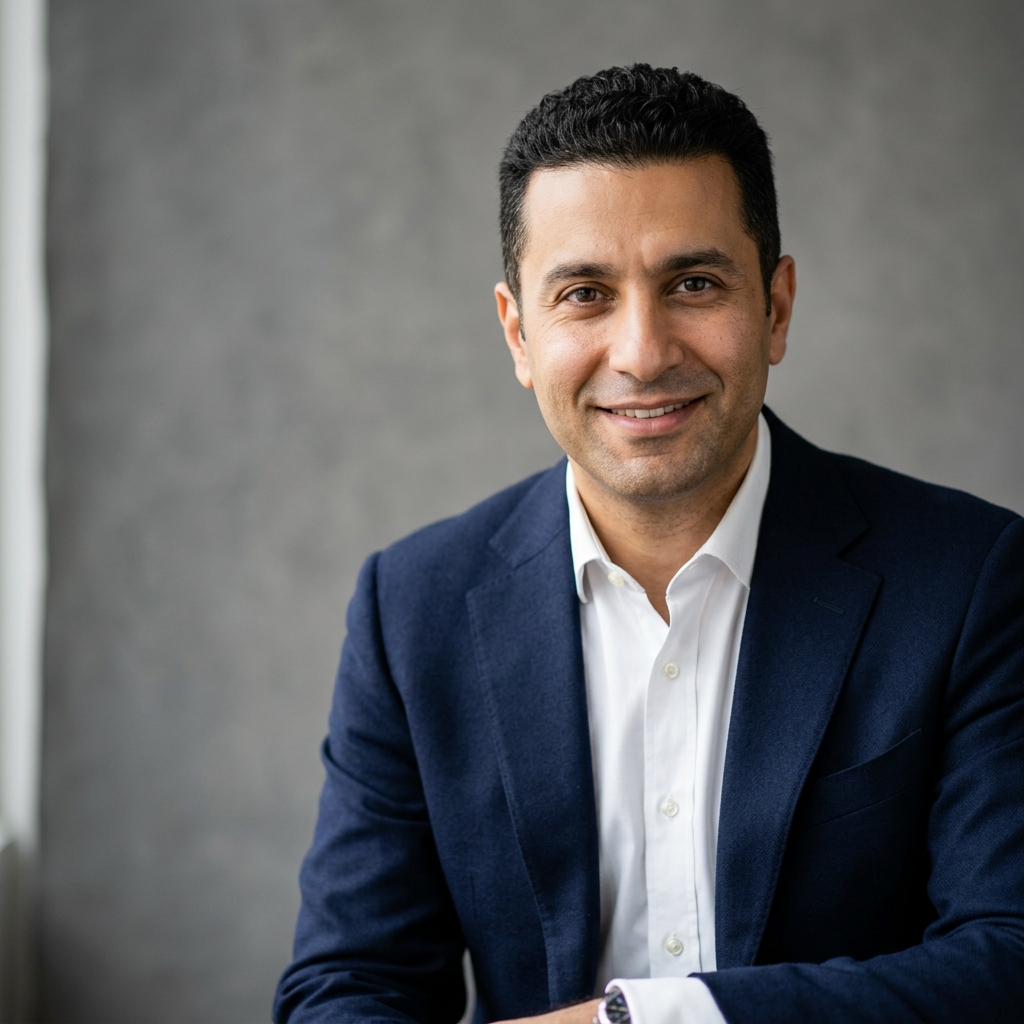
editor
Senior political analyst covering the Middle East and North Africa. With over 15 years of experience in international affairs, Nour specializes in U.S. immigration policy, diplomatic relations, and political developments across the MENA region. Previously contributed to Al Jazeera English and Middle East Eye.
