Politics
4 min read
Arab American Voters Cement Influence After 2024 Election Shift
Report
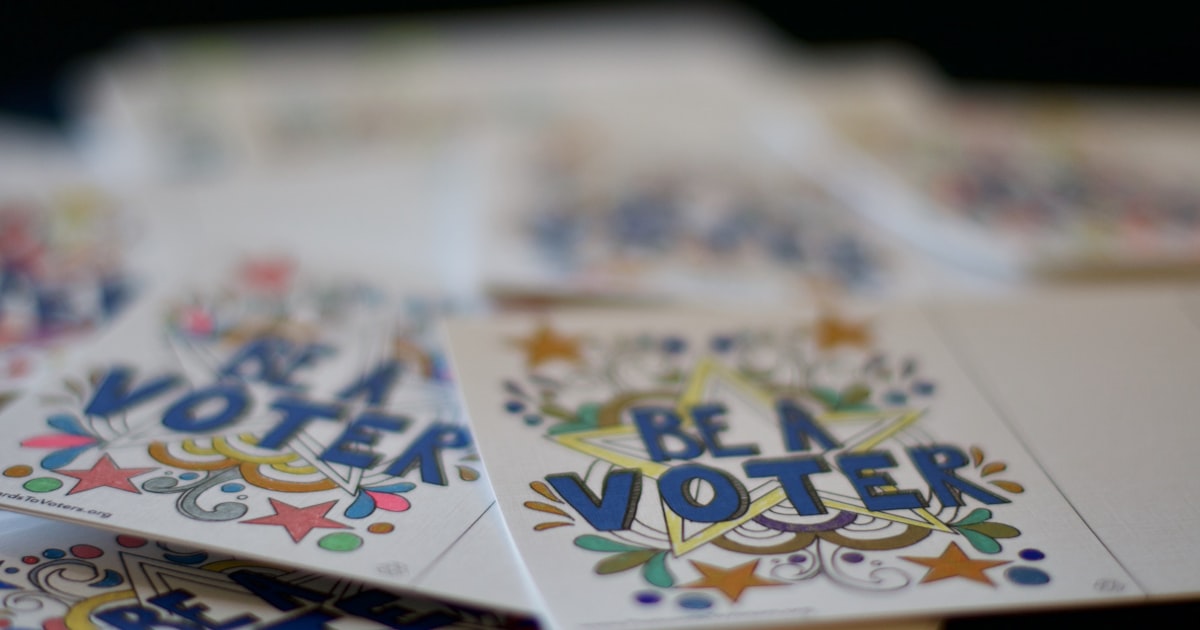
The 2024 US election irrevocably reshaped the political landscape for Arab Americans, transforming them into a decisive and increasingly independent voting bloc. This community, traditionally aligned with the Democratic Party, demonstrated a significant shift in its electoral behavior, particularly in key swing states.
In Michigan, a critical battleground state with a large Arab American population, Vice President Kamala Harris received at least 22,000 fewer votes than Joe Biden did in 2020 in heavily Arab American and Muslim cities. This decline in Democratic support was largely attributed to widespread dissatisfaction with the administration's foreign policy regarding the Gaza conflict. James Zogby, president of the Arab American Institute, noted, "Gaza took a toll and caused a great deal of dissatisfaction among demographic groups in the community that I wouldn't have expected to have that degree of impact."
This shift wasn't just about abstention; many Arab Americans opted for third-party candidates or even supported Donald Trump, who saw gains in these areas. A nationwide exit poll by the Council on American Islamic Relations found 53% of Muslim Americans voted for Jill Stein, with 21% for Trump and 20.3% for Harris. This highlights a growing disillusionment with both major parties.
Arab American Political Mobilization
Arab American advocacy groups played a crucial role in mobilizing voters and amplifying community concerns. Organizations like the American-Arab Anti-Discrimination Committee (ADC) launched initiatives such as Arab.Vote, a bilingual voter registration and turnout tool, targeting battleground states like Arizona, Georgia, and Michigan. Abed Ayoub, ADC's Executive Director, emphasized the community's resolve, stating, "While the ADC does not endorse candidates, our message to our members and Arab American voters remains: we must turn out to vote and make our presence known at the polls this November, and in every election to follow."A New Era of Influence
For decades, Arab Americans largely leaned Democratic, especially after the post-9/11 rise in Islamophobia. However, the 2024 election demonstrated that foreign policy issues, particularly those concerning the Middle East, can significantly sway their votes, pushing them to re-evaluate traditional party loyalties. This has positioned the community as a powerful swing vote, capable of influencing tight races. Looking ahead, both the Democratic and Republican parties will need to actively engage with Arab American communities, addressing their specific concerns beyond traditional campaign rhetoric. The ongoing advocacy for a Middle Eastern and North African (MENA) category in the US Census and federal forms also remains a key priority, aiming for better data collection and policy representation.Impact on Egyptian Americans
This evolving political landscape means your voice as an Egyptian American carries more weight than ever. Your active participation in local and national elections can directly influence policies that affect your family, community, and even US foreign relations. Don't underestimate the power of your vote and your engagement with local advocacy groups. Consider joining organizations like the Arab American Institute or the American-Arab Anti-Discrimination Committee to stay informed and contribute to collective action. These groups offer resources and platforms to ensure your concerns are heard by elected officials.📋 Sources & References
- Arab News-YouGov poll predicts huge Arab-American turnout in upcoming election, Palestine tops priorities — details on 2024 Arab American voter priorities and turnout predictions.
- VOA News — In historic shift, American Muslim and Arab voters desert Democrats — analysis of the post-2024 election shift in Arab and Muslim American voting patterns.
- American-Arab Anti-Discrimination Committee (ADC) — ADC and Molitico Launch Arab.Vote — information on voter mobilization efforts and Arab American voter statistics.
- Arab America — The Rise of Arab and Muslim Political Power and Representation in 2024 and Beyond — discusses increased political participation and influence post-2024 election.
Nour El-Din
editor
Senior political analyst covering the Middle East and North Africa. With over 15 years of experience in international affairs, Nour specializes in U.S. immigration policy, diplomatic relations, and political developments across the MENA region. Previously contributed to Al Jazeera English and Middle East Eye.


