Politics
4 min read
Arab American voter influence reaches new highs in US elections
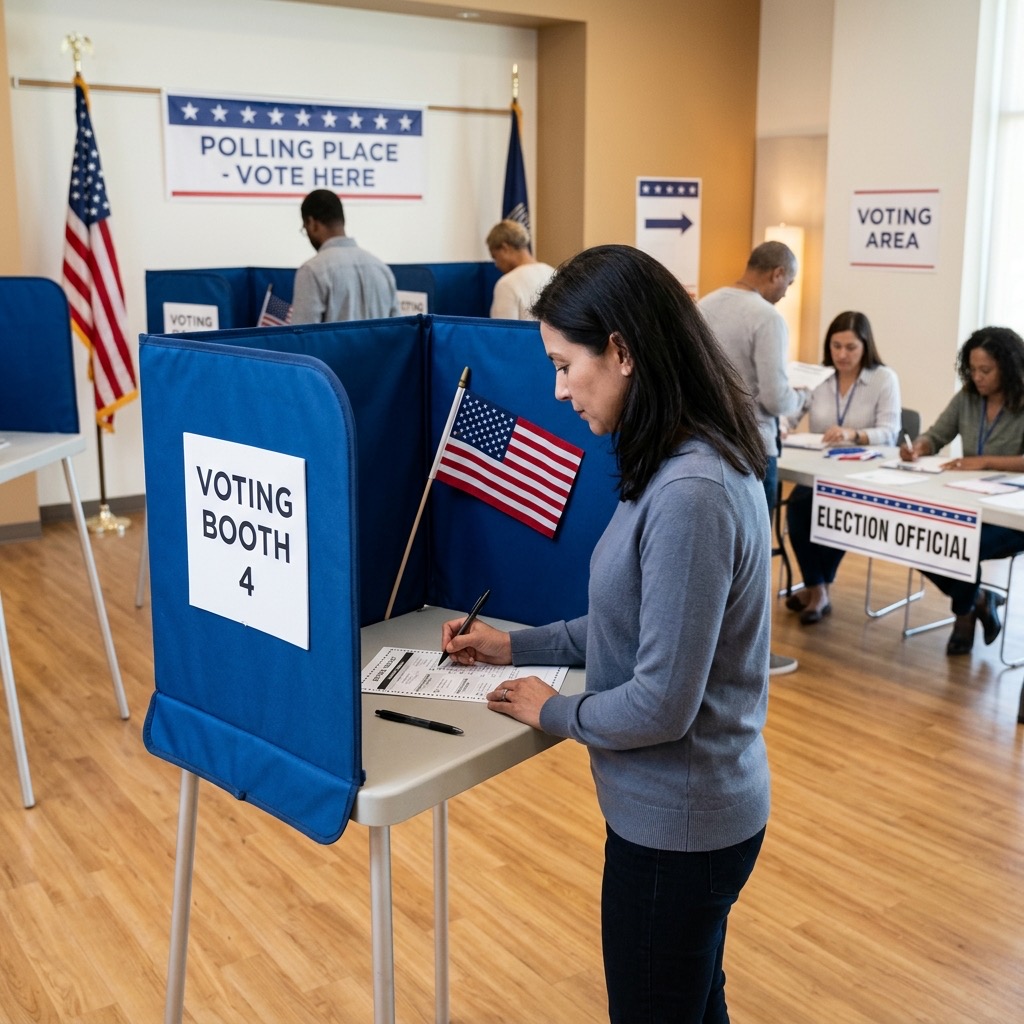
On election night 2024, results rolled in from Michigan. Voters watched closely, perhaps scrolling your phone, and suddenly, the analysts are talking about Dearborn, Hamtramck, and a seismic shift in the Arab American vote. This wasn't just a ripple; it was a political earthquake that sent shockwaves through Washington.
For decades, Arab Americans largely leaned Democratic. But 2024 saw a dramatic break from that tradition. In a historic shift, Muslim and Arab Americans split their votes between President-elect Donald Trump and third-party candidates, abandoning their two-decade loyalty to the Democrats. This wasn't apathy; it was a powerful, collective statement.
The anger over the Biden administration's handling of the war in Gaza fueled this exodus. Many in the community felt profoundly impacted by what they saw happening in Gaza, leading to widespread dissatisfaction.
Nowhere was this shift more evident than in Michigan, a state with the largest concentration of Arab Americans in the nation. In 2020, Joe Biden enjoyed a roughly 3-to-1 advantage in Dearborn. Fast forward to 2024, and the numbers tell a starkly different story: Donald Trump won more than 42% of the vote in Dearborn, up from 30% four years prior, while Kamala Harris received just 36%. Third-party candidates, notably Jill Stein, also saw significant support, capturing 18.3% of the vote in Dearborn.
This wasn't just a local phenomenon. Harris received at least 22,000 fewer votes than Biden did in 2020 across Michigan's most heavily Arab American and Muslim cities. This drop in Democratic support in cities like Hamtramck, Dearborn, and Dearborn Heights accounted for nearly 27% of the 81,000-vote difference between Harris and Trump in the state. It's a clear signal: your vote, when mobilized, can absolutely swing a crucial state.
This election proved that Arab Americans are not just a demographic; they are a potent political force. With nearly 90% of Arab Americans registered to vote by 2020, and a new generation of activists emerging, the community's political organizing has reached unprecedented levels. They're no longer just accepting crumbs; they want their share of the pie in US politics.
This shift forces both parties to acknowledge the community's concerns, not just on foreign policy, but on domestic issues too. It means that your voice, and the collective voice of Arab Americans, can no longer be ignored.
The underlying issue now is, how will this newfound political leverage shape future elections and policy decisions in Washington? Will both parties truly listen, or will they risk another electoral upset?
📋 Key Facts
- Arab American voters significantly moved away from the Democratic Party in the 2024 elections, especially in critical swing states.
- Deep dissatisfaction with the Biden administration's stance on the Gaza conflict was the primary catalyst for this historic shift.
- This change in voting patterns directly impacted election outcomes in states like Michigan, with votes going to Donald Trump or third-party candidates.
- The growing political power of the Arab American community is now undeniable, forcing both major parties to re-evaluate their engagement strategies.
The Silent Protest That Roared
For decades, Arab Americans largely leaned Democratic. But 2024 saw a dramatic break from that tradition. In a historic shift, Muslim and Arab Americans split their votes between President-elect Donald Trump and third-party candidates, abandoning their two-decade loyalty to the Democrats. This wasn't apathy; it was a powerful, collective statement.
The anger over the Biden administration's handling of the war in Gaza fueled this exodus. Many in the community felt profoundly impacted by what they saw happening in Gaza, leading to widespread dissatisfaction.
“This is the first time in more than 20 years that the Muslim community has been split between three candidates.”
Michigan's Warning Shot to Washington
Nowhere was this shift more evident than in Michigan, a state with the largest concentration of Arab Americans in the nation. In 2020, Joe Biden enjoyed a roughly 3-to-1 advantage in Dearborn. Fast forward to 2024, and the numbers tell a starkly different story: Donald Trump won more than 42% of the vote in Dearborn, up from 30% four years prior, while Kamala Harris received just 36%. Third-party candidates, notably Jill Stein, also saw significant support, capturing 18.3% of the vote in Dearborn.
This wasn't just a local phenomenon. Harris received at least 22,000 fewer votes than Biden did in 2020 across Michigan's most heavily Arab American and Muslim cities. This drop in Democratic support in cities like Hamtramck, Dearborn, and Dearborn Heights accounted for nearly 27% of the 81,000-vote difference between Harris and Trump in the state. It's a clear signal: your vote, when mobilized, can absolutely swing a crucial state.
Beyond Gaza: What This Means for Your Voice
This election proved that Arab Americans are not just a demographic; they are a potent political force. With nearly 90% of Arab Americans registered to vote by 2020, and a new generation of activists emerging, the community's political organizing has reached unprecedented levels. They're no longer just accepting crumbs; they want their share of the pie in US politics.
This shift forces both parties to acknowledge the community's concerns, not just on foreign policy, but on domestic issues too. It means that your voice, and the collective voice of Arab Americans, can no longer be ignored.
The underlying issue now is, how will this newfound political leverage shape future elections and policy decisions in Washington? Will both parties truly listen, or will they risk another electoral upset?
📋 Sources & Official Resources
- White House — Presidential actions and administration policy
- Congress.gov — Legislative text, amendments, and congressional actions
- AP News — Independent reporting on US politics and elections
Nour El-Din
editor
Senior political analyst covering the Middle East and North Africa. With over 15 years of experience in international affairs, Nour specializes in U.S. immigration policy, diplomatic relations, and political developments across the MENA region. Previously contributed to Al Jazeera English and Middle East Eye.


