Congress Pushes New Bill to Combat Hate Crimes, Boost Arab American Protections
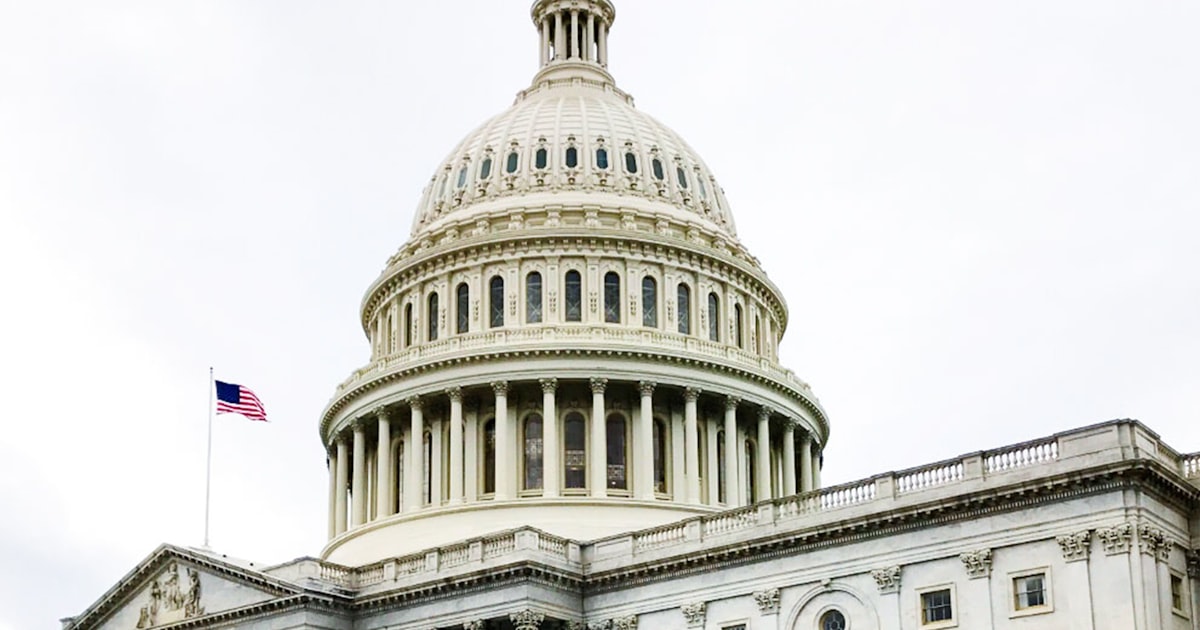
Washington D.C. is currently focused on a proposed federal bill designed to bolster protections against hate crimes, a significant development that directly addresses growing concerns within the Arab American community. This legislation aims to create a safer environment for everyone, especially those who have historically been targets of bias-motivated violence.
A History of Advocacy for Stronger Protections
For years, Arab American advocacy groups have consistently highlighted a concerning rise in hate incidents across the nation. These incidents often spike during periods of geopolitical tension or in response to misinformation, making communities feel vulnerable.
Organizations like the American-Arab Anti-Discrimination Committee (ADC) and the Arab American Institute (AAI) have been at the forefront of documenting these incidents. They've pushed tirelessly for stronger federal responses and better data collection to accurately reflect the scope of the problem.
This sustained advocacy has led to crucial discussions, including congressional hearings where community leaders have testified about the urgent need for legislative action. This groundwork helped pave the way for the current bill under consideration.
The 'Hate Crimes Commission Act of 2026'
Right now, the 'Hate Crimes Commission Act of 2026' (H.R. 8932 / S. 11) is making its way through Congress. This bicameral legislation seeks to establish a temporary national commission to thoroughly study hate crimes, understand why they occur, and evaluate current reporting mechanisms.
A key part of the bill also requires the Government Accountability Office (GAO) to audit how the Federal Bureau of Investigation (FBI) collects hate crime data. The goal isn't to create new criminal penalties, but to improve the quality of information the government uses to respond effectively to hate crimes.
As Senator Kirsten Gillibrand (D-NY), who reintroduced the Senate version of the bill, stated, “The alarming rise in hate crimes over the last few years demands a comprehensive federal response — and that starts with the establishment of a commission to investigate hate crimes.”
What's Next for the Legislation
The Hate Crimes Commission Act of 2026 is currently under review in the House Committee, with strong bipartisan support anticipated. If it passes the House, it will then move to the Senate for further debate and a vote.
The hope is that this legislation could become law before the end of the year, providing a much-needed framework for a more informed and effective national strategy against hate crimes.
What This Means for Your Family's Safety
This proposed legislation could significantly impact the safety and well-being of your family and community. By improving how hate crimes are understood and reported, it creates a clearer path for law enforcement to address bias-motivated incidents, potentially reducing the fear of discrimination many Arab Americans unfortunately experience.
If you or someone you know experiences a hate incident, it's crucial to report it. Contact your local law enforcement agency and reach out to civil rights organizations like the American-Arab Anti-Discrimination Committee (ADC) or the Arab American Institute (AAI). Documenting these events helps provide the data needed for stronger protections and ensures your voice contributes to national efforts.
📋 Sources & References
- PoliScore — Hate Crimes Commission Act of 2026 (HR 8932) — bill summary and impact
- Senator Kirsten Gillibrand Press Release — details on the Hate Crimes Commission Act
- American-Arab Anti-Discrimination Committee (ADC) — information on hate crimes and advocacy
- Arab American Institute (AAI) — organization's mission and advocacy efforts
editor
Senior political analyst covering the Middle East and North Africa. With over 15 years of experience in international affairs, Nour specializes in U.S. immigration policy, diplomatic relations, and political developments across the MENA region. Previously contributed to Al Jazeera English and Middle East Eye.


