How Egypt's New Capital Transforms Governance and Urban Life
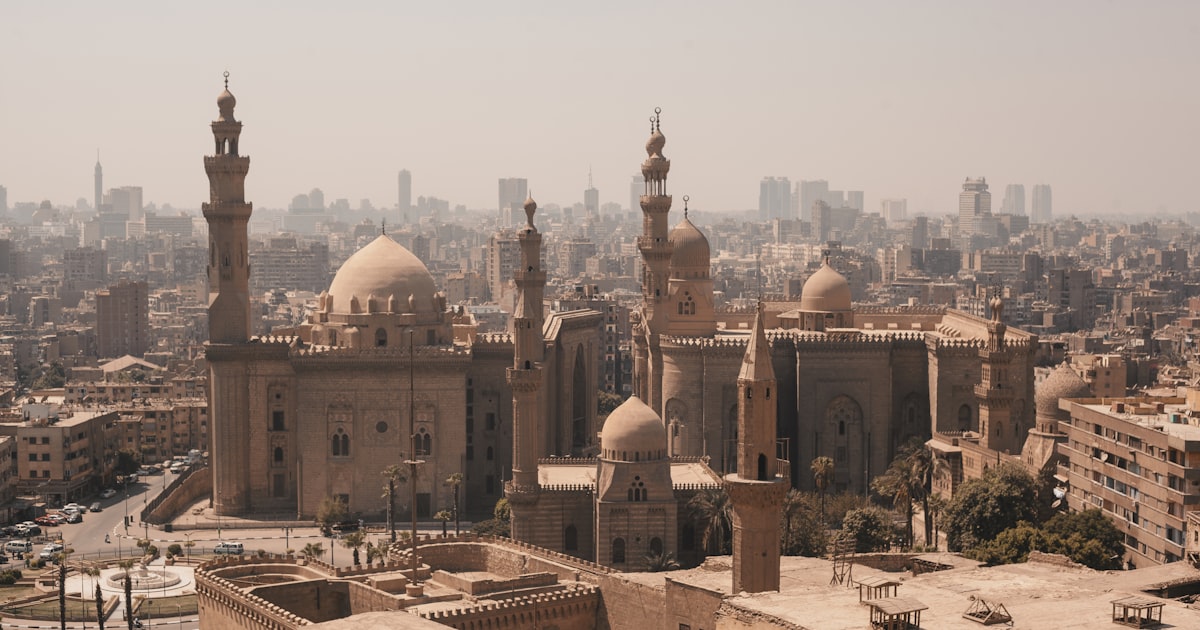
Egypt has officially inaugurated its New Administrative Capital (NAC) as the nation's new seat of government, marking a significant shift in the country's political and urban landscape.
A New Seat of Power Takes Shape
President Abdel Fattah El-Sisi took his constitutional oath for a third term in office within the NAC on April 2, 2024, formally establishing it as the new center of Egyptian governance. This move follows accelerated infrastructure work, including roads, transit systems, and government zones, to facilitate the relocation of ministries and residents. The project, launched by President Sisi in 2015, is estimated to cost over $100 billion and revives long-standing visions for a new power seat beyond historically crowded Cairo.
The NAC is designed to alleviate congestion and pollution in historic Cairo by moving administrative organizations out of the city. It features impressive landmarks like Africa's tallest tower, the Middle East's largest cathedral, and a grand mosque, aiming to project progress and attract investment. Many government entities, including 14 ministries, have already relocated to the new city.
Why This Matters for Cairo
For decades, Cairo has been the bustling heart of Egypt, but its rapid growth led to immense congestion and strain on infrastructure. The vision for a new administrative capital has been discussed by past presidents, but it is under President Sisi's leadership that this ambitious project has come to fruition, aiming to create a modern, smart city that can accommodate millions and serve as a symbol of Egypt's future. Newsweek reported in April 2025 that the Egyptian government is "accelerating infrastructure work in the New Administrative Capital—completing roads, transit systems, and government zones—to support the relocation of ministries and residents."
Impact on Egyptian Americans
If you're an Egyptian American with family in Cairo, you might notice a shift in the city's dynamics. While the historic capital remains vibrant, government-related visits or business dealings will increasingly take place in the new city. This could mean less traffic in downtown Cairo but also a new destination to navigate for official matters. The massive scale of the NAC project, with its focus on modern infrastructure and business districts, presents potential investment opportunities for those looking to engage with Egypt's growing economy. Keep an eye on real estate and development sectors within the NAC.
For specific details on government relocations or business registrations in the NAC, refer to official Egyptian government portals like the General Authority for Investment and Free Zones (GAFI) or the Administrative Capital for Urban Development (ACUD) website.
📋 Sources & References
- Newsweek — Satellite images show progress on Egypt's vast new capital
- Dezeen — Everything you need to know about Egypt's new capital city
- Wikipedia — The New Capital (Egypt)
- General Authority for Investment and Free Zones (GAFI) — Goals of The Economic Reform Program

editor
Founder and Editor-in-Chief of Masry US. Egyptian-American journalist covering U.S. immigration policy, community affairs, and cross-cultural stories. Mo oversees editorial direction and ensures every story serves the Egyptian and Arab diaspora with accuracy and relevance.


