Egypt Boosts Social Safety Nets Amidst Economic Reforms
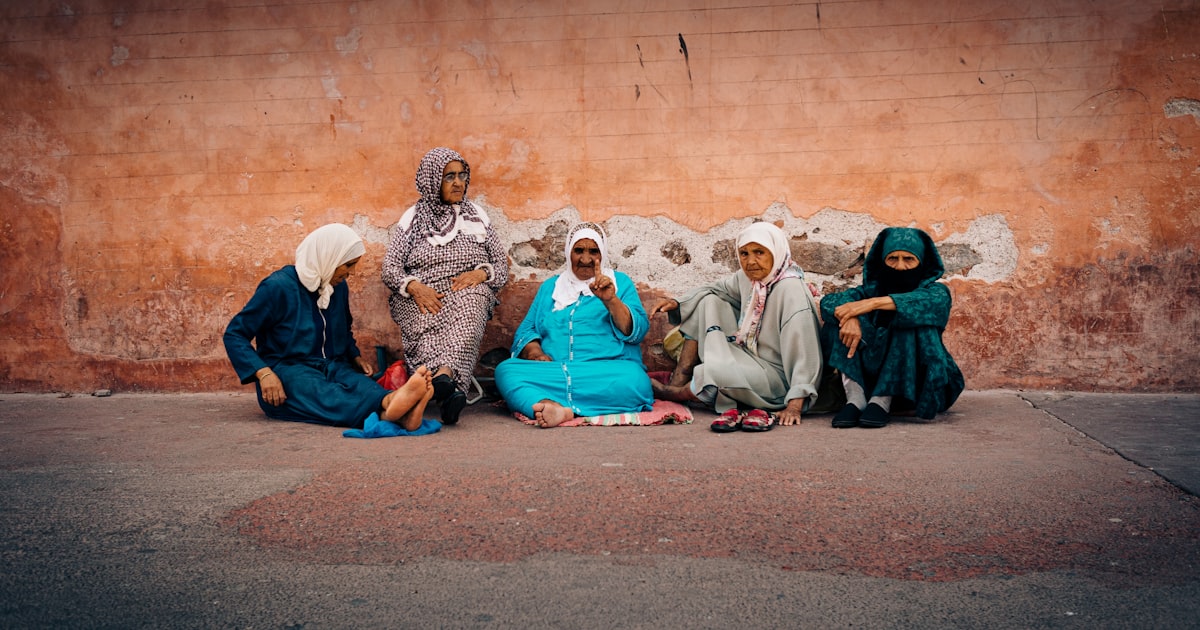
While Egypt continues to push forward with ambitious economic reforms and grand infrastructure projects, the government is also making significant moves to directly support its citizens through enhanced social protection programs. This dual focus highlights a strategic effort to balance national development with the immediate needs of vulnerable populations.
How Egypt's Social Support Evolved
The journey toward strengthening social safety nets in Egypt has been a gradual but consistent one. In 2019, the government launched the “Decent Life” (Haya Karima) initiative, a flagship rural development program aimed at improving infrastructure and public services across thousands of villages nationwide. This marked a clear commitment to addressing disparities in living standards.
More recently, in March 2026, Egyptian authorities outlined their fiscal policy priorities for the 2026-2027 period, targeting 5.4% economic growth and a primary surplus of approximately $24 billion. This plan emphasized continued structural reforms to support private sector-led growth. Following this, in June 2026, Egypt's parliament granted final approval to the economic and social development plan for the 2026/27 fiscal year, significantly increasing allocations for both the health and education sectors.
Current Efforts to Protect Vulnerable Families
Today, the Egyptian government is actively implementing President Abdel Fattah El-Sisi's directives to establish a unified social protection program. This initiative aims to support vulnerable groups while carefully balancing social welfare objectives with economic sustainability, according to a statement from the presidency. A key component of this is the ongoing monitoring of the Takaful and Karama cash-support program, which currently provides assistance to around 4.7 million families across the country.
In a tangible move to alleviate financial burdens, President El-Sisi issued an executive decree in June 2026, mandating a 15% increase in national pension payouts, effective July 1, 2026. This measure is designed to improve the living standards of retirees and expand social safety nets for those most in need. As Minister of Social Solidarity Maya Morsy stated, the government is working to expand mechanisms that provide support for vulnerable populations and help households move out of multidimensional poverty.
What's Next for Egypt's Social and Economic Landscape
Looking ahead, the government is preparing to launch the second phase of the Decent Life initiative, building on the completion of development works in 826 villages during its first phase. This expansion is expected to further enhance infrastructure and public services in rural communities. Additionally, President El-Sisi has called for the development of a comprehensive national economic program to succeed the country's current IMF-backed reform program, with a focus on sustainable growth and accelerating the private sector's role.
The International Monetary Fund (IMF) recently reached a staff-level agreement on Egypt's seventh review under the Extended Fund Facility, underscoring the importance of continuing decisive implementation of reforms, particularly those related to improving the business environment and reducing the state's role to support private sector-led growth. This ongoing commitment to reform, coupled with direct social support, paints a picture of a government striving for inclusive development.
Impact on Egyptian Americans and the Community
For Egyptian Americans and Arabic-speaking immigrants in the US, these developments in Egypt's social and economic policies can have a direct impact on family members back home. The pension hike and expanded social protection programs, like Takaful and Karama, could mean improved financial stability for relatives, especially the elderly or those in rural areas. If you have family in Egypt, understanding these programs can help you assess their potential benefits.
Moreover, the government's push for private sector growth and investment-friendly policies might create new opportunities in Egypt. If you're considering investing in your home country or exploring business ventures, staying informed about these reforms and the specific sectors being prioritized could be a smart move. Official resources from the Egyptian Ministry of Social Solidarity or the Ministry of Planning and Economic Development can provide more detailed information on eligibility for social programs and investment guidelines.
📋 Sources & References
- Daily News Egypt — Report on Decent Life initiative's second phase.
- EgyptToday — Article on President Sisi's pension hike directive.
- MENA — Report on President El-Sisi's call for a unified social protection program.
- IMF — Press Release on Egypt's Extended Fund Facility review.
editor
Senior political analyst covering the Middle East and North Africa. With over 15 years of experience in international affairs, Nour specializes in U.S. immigration policy, diplomatic relations, and political developments across the MENA region. Previously contributed to Al Jazeera English and Middle East Eye.


