Michigan's Arab American Voters Reshape Midterm Landscape
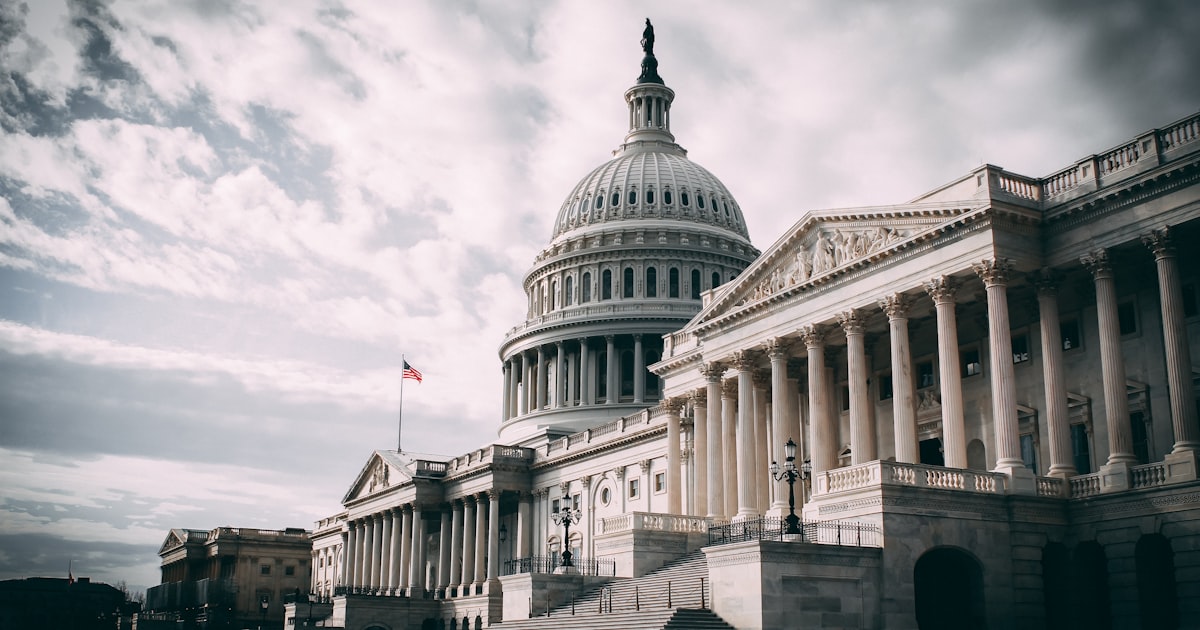
In Michigan, Arab Americans moved away from the Democratic ticket by a staggering 35% in the 2024 presidential contest, a trend that continues to accelerate into the 2026 midterm elections. This dramatic shift highlights a growing disillusionment within a key demographic, forcing both major parties to re-evaluate their strategies in crucial swing states.
This isn't just a protest; it's a strategic realignment. Historically, Arab Americans have often leaned Democratic, but recent foreign policy decisions, particularly concerning the Middle East, have deeply impacted this loyalty. The community is now actively seeking to shape policy rather than merely react to it, signaling a profound transformation in their political engagement.
Michigan's Political Earthquake
The shift in Michigan is particularly striking because the state is home to one of the largest Arab American communities in the U.S. The 2024 elections already showed a significant swing away from the Democratic Party, and this momentum is carrying into the upcoming midterms. This demographic's votes, numbering around 275,000, could be decisive in close contests.
Abbas Alawieh, a Democratic primary candidate for Michigan State Senate District 2, and co-founder of the discontinued Uncommitted National Movement, notes the sentiment among Dearborn's Arab Americans. He states it is “rooted in a deep sense of frustration and grief, specifically”. This frustration stems from a feeling that their concerns, especially on international issues, are not being adequately addressed by traditional party platforms.
Defending Free Speech in Congress
Beyond electoral shifts, Arab American advocacy groups are actively engaging in legislative battles in Washington. Just today, the Council on American-Islamic Relations (CAIR) urged the House Rules Committee to reject Amendment 151 to the Fiscal Year 2027 National Defense Authorization Act (NDAA). This amendment aims to expand federal anti-boycott restrictions to include boycotts requested by international governmental organizations, raising serious First Amendment concerns.
CAIR argues that this proposal burdens constitutionally protected political advocacy and peaceful boycott activity. Such legislation could effectively impose a political litmus test on federal contractors, denying opportunities based on their views on issues like Israel or Palestine. This ongoing legislative push highlights the community's vigilance in protecting civil liberties.
The Rise of Arab American Candidates
Amidst these political shifts, a record number of Arab and Muslim Americans are running for office at federal, state, and local levels in the 2026 midterms. This surge reflects a community moving from the political periphery to active mainstream participation. Candidates are leveraging their growing demographic weight and enhanced organizational networks to influence policy directly.
This political awakening has been accelerated by past challenges, including restrictive immigration rhetoric and concerns over persistent conflicts in the Middle East. The focus is now on sophisticated, forward-thinking rhetoric that redefines their place in the American political landscape, as noted in a recent analysis of primary elections.
The political landscape for Arab Americans is clearly in flux, marked by both a powerful assertion of electoral influence and a proactive defense of civil liberties. This community is no longer content to be overlooked; they are actively shaping the future of U.S. politics, demanding that their voices be heard and their concerns addressed.
Impact on Egyptian and Arab Americans
For Egyptian and Arab Americans, these developments underscore the critical importance of local and national political engagement. Your vote and advocacy can directly influence policy, from foreign relations to civil liberties at home. Understanding how legislative efforts, like those concerning anti-boycott measures, can impact your rights is crucial.
Consider engaging with local Arab American organizations that track legislative developments and organize voter registration drives. Participating in town halls or contacting your representatives about issues that matter to you and your family can make a tangible difference. Staying informed about candidates' stances on both domestic and international issues is more vital than ever.
📋 Sources & References
- Planet Detroit — Report on Arab American voter shifts in Michigan.
- Midterm Mayhem: Arab American Voters Force a Political Reckoning — Analysis of Arab American impact on 2026 midterms.
- CAIR Letter to House Rules 6-24-2026 — CAIR's advocacy against anti-boycott legislation.
- How Arab and Muslim Candidates Are Trying To Enter the American Political Arena — Report on increased Arab and Muslim American candidacies.
editor
Senior political analyst covering the Middle East and North Africa. With over 15 years of experience in international affairs, Nour specializes in U.S. immigration policy, diplomatic relations, and political developments across the MENA region. Previously contributed to Al Jazeera English and Middle East Eye.


