AI's Creative Boom Sparks Copyright Battles, Reshaping Hollywood Rules
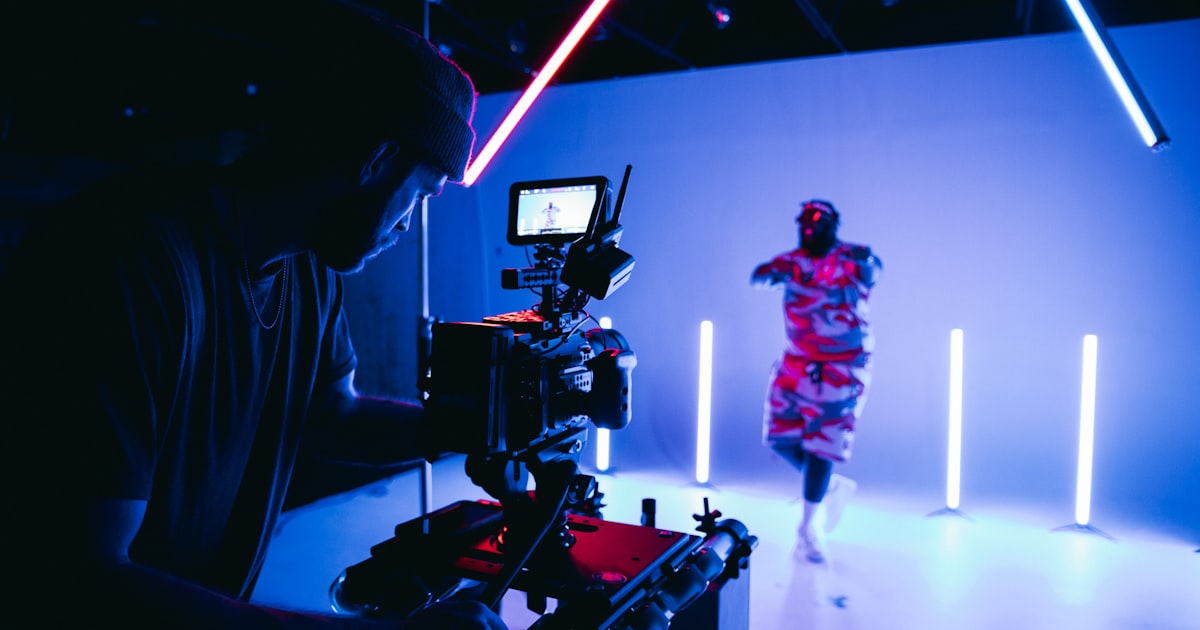
AI-powered tools are now generating incredibly realistic videos, music, and art, pushing the boundaries of what's creatively possible. This rapid advancement, while exciting, has ignited a fierce debate over who truly owns these digital creations and how to protect human artists in a world where machines can mimic their work. The legal and ethical implications are reshaping industries from Hollywood to independent art studios.
The Copyright Conundrum for AI Creations
The US Copyright Office and courts have made it clear: copyright protection still requires human authorship. In March 2026, the US Supreme Court declined to hear a case on AI-generated material, effectively solidifying the stance that purely AI-created works cannot be copyrighted. This means if an AI generates content without "meaningful human creative input," it enters the public domain, leaving creators vulnerable.
Many businesses mistakenly assume that paying for an AI tool grants them automatic ownership and protection of the generated content. However, copyright protection is often unavailable if the content was created entirely by AI without sufficient human creative contribution, as highlighted by a June 2026 report. This distinction is becoming increasingly vital as companies use AI-generated assets in marketing, branding, and product development.
Hollywood's AI Dilemma and Union Demands
Hollywood is already deeply integrating AI into filmmaking, from visual effects to refining accents in films like "The Brutalist". Advanced AI video models such as Seedance 2.0 and Kling 3.0 are enabling multi-shot films and character-driven stories with impressive realism. However, this integration comes with significant tension. Unions like the Writers Guild of America (WGA) and SAG-AFTRA are actively negotiating for stronger protections, demanding transparency about AI use and safeguards against the uncredited use of AI-generated content or digital likenesses.
A leading AI technology company, widely used across Hollywood post-production, revealed in June 2026 that roughly 80% of its work on major productions goes publicly unacknowledged. This "credit gap" highlights the industry's struggle to reconcile AI's efficiency with traditional crediting practices and the fear of audience backlash from the word "AI".
Expert Perspective on Evolving Standards
Lori McCreary, CEO of Revelations Entertainment, emphasized the need for industry standards at the AI On The Lot conference in May 2026. She stated, "You have to be careful where the invisible AI is and make sure the contracts talks about whether you used AI and how you used it.". This underscores the critical need for clear contractual language and transparency as AI becomes more embedded in creative workflows.
The rise of sophisticated AI in creative fields presents both immense opportunities and complex challenges. Navigating this new landscape means establishing clear rules for ownership, ensuring fair compensation, and preserving the value of human creativity and trust in an increasingly synthetic media environment.
Impact on Egyptian American Creators
For Egyptian-American artists, designers, or content creators using AI, understanding these evolving copyright laws is crucial. Don't assume that just because you used an AI tool, you automatically own the output. The legal landscape is still developing, and proactive steps are essential to protect your work.
Always document your creative process, including your prompts, human edits, and any original elements you added to AI-generated content. This "meaningful human contribution" is key to securing copyright protection for your work. Review the terms of service for any AI platform you use, as they dictate your rights to the generated content. Consider trademarking brand elements if copyright protection for AI-assisted content remains uncertain. Stay informed by checking updates from the U.S. Copyright Office and consulting intellectual property legal experts, especially if you plan to commercialize AI-assisted creations.
📋 Sources & References
- Vertex AI Search — How IP Law Handles AI-Generated Content and Why Businesses Should Care in 2026
- OutlierKit — AI Copyright Supreme Court Ruling: What YouTube Creators Must Know (2026)
- Forbes — AI, Copyright & Creativity in 2026: What Every Business Needs to Know Right Now
- LA Times — AI will take center stage in Hollywood contract negotiations
columnist
Technology and culture correspondent covering AI, cybersecurity, and the intersection of Arab heritage with modern innovation. Yasmine holds a degree in Computer Science from Cairo University and has reported on tech ecosystems across the Middle East and Silicon Valley.


