AI's Hidden Environmental Cost: A Looming Energy Crisis
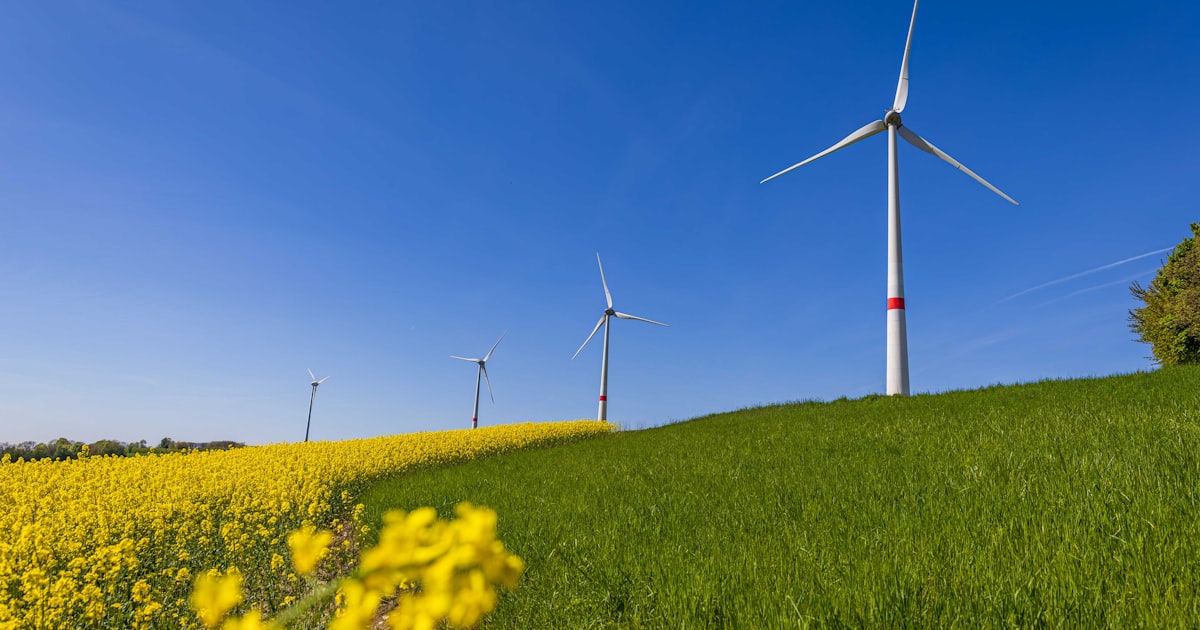
Artificial intelligence, while promising transformative advancements, is rapidly becoming one of the planet's most resource-intensive technologies, demanding unprecedented amounts of energy, water, and land. This unchecked growth is sparking urgent warnings from environmental experts and international agencies, highlighting a critical need for sustainable development in the tech sector.
📋 What to Know
- Global data center electricity consumption, heavily driven by AI, is projected to double by 2030, reaching around 945 terawatt-hours annually.
- Training a single large AI model can emit as much carbon dioxide as five cars over their entire lifetime.
- AI-related water consumption could equal the basic annual domestic needs of 1.3 billion people by the end of the decade.
- Tech giants are investing in renewable energy and more efficient hardware, but AI's rapid growth often outpaces these gains.
The Staggering Energy Appetite of AI
The sheer computational power required to train and operate advanced AI models, including popular tools like ChatGPT, is driving a massive surge in electricity demand. The International Energy Agency (IEA) projects that global data center electricity consumption, largely fueled by AI, is set to double by 2030, potentially reaching 945 terawatt-hours (TWh) annually. To put that in perspective, AI-focused data centers' power use alone is poised to triple.
This isn't just about powering servers; it's about the entire lifecycle. Researchers at the University of Massachusetts Amherst found that training a single large AI model can generate over 626,000 pounds of carbon dioxide equivalent, which is roughly five times the lifetime emissions of an average American car. As IEA Executive Director Fatih Birol noted, "The rise of AI has huge implications for energy."
Beyond Carbon: Water and Land Footprints
The environmental impact of AI extends far beyond carbon emissions. Data centers require immense amounts of water for cooling their powerful server racks. A new study from the UN University (UNU) warns that AI-related water consumption could equal the basic annual domestic needs of 1.3 billion people by 2030. This strain on water resources is particularly concerning in regions already facing water scarcity.
Furthermore, the physical infrastructure of AI demands significant land. The construction of new, larger data centers, often covering hundreds of acres, consumes land that could otherwise be used for agriculture or natural habitats. The mining of critical minerals needed for AI hardware also raises concerns about environmental degradation and social inequities in extraction regions.
Navigating the Path to Sustainable AI
While the challenges are substantial, the tech industry is beginning to respond. Major companies like Google and Microsoft are investing heavily in renewable energy sources for their data centers and developing more energy-efficient AI chip designs. However, the rapid pace of AI adoption often outstrips these efficiency gains, creating a continuous uphill battle for sustainability.
Experts are calling for a shift towards "carbon efficiency" rather than just "energy efficiency," focusing on reducing overall emissions per unit of work. This includes optimizing algorithms, using pre-trained models, and powering data centers with 100% renewable energy.
Impact on Egyptian Americans
For Egyptian Americans, understanding AI's environmental footprint is crucial, especially as many work in or rely on technology. The increasing energy demands of AI could eventually influence energy costs and infrastructure development in the U.S., potentially affecting household budgets and local communities. If you're in the tech sector, advocating for and developing greener AI solutions can make a tangible difference. Consider supporting companies and policies that prioritize sustainable AI practices, and explore career paths in areas like green computing or AI ethics, which are becoming increasingly vital.
What to Watch Next
The conversation around AI's environmental impact is intensifying. Keep an eye on regulatory developments aimed at mandating greater transparency from tech companies regarding their energy and water usage. Also, watch for innovations in AI hardware and software designed for maximum efficiency, as these will be key to balancing technological progress with planetary health.
📋 Sources & References
- International Energy Agency (IEA) — Report on Energy and AI, detailing electricity consumption projections.
- UN News — Article on AI's environmental costs, including water and land footprints.
- University of Massachusetts Amherst — Research on the carbon footprint of training AI models.
- Southern New Hampshire University (SNHU) — Article discussing AI's environmental impact, including water depletion and carbon emissions.

columnist
Technology and culture correspondent covering AI, cybersecurity, and the intersection of Arab heritage with modern innovation. Yasmine holds a degree in Computer Science from Cairo University and has reported on tech ecosystems across the Middle East and Silicon Valley.


