US & Immigration
4 min read
3 Economic Pillars: Immigrant Entrepreneurs Drive US Growth Despite Migration Dip

The American dream of entrepreneurship continues to thrive, significantly propelled by immigrant ingenuity. In a striking testament to their enduring impact, nearly half of all Fortune 500 companies in 2025—a staggering 231 out of 500—were founded by immigrants or their children, collectively generating an immense $8.6 trillion in revenue in fiscal year 2024. This remarkable contribution underscores a critical dynamic at a time when the overall landscape of immigration to the United States is undergoing significant change.
Recent reports indicate a historic decline in net international migration, with projections suggesting low or even negative numbers for 2026. This shift, influenced by more restrictive policies, carries macroeconomic implications, including a potential dampening effect on GDP growth and consumer spending. Yet, amidst these broader trends, immigrant entrepreneurs stand out as indispensable pillars of the U.S. economy.
Pillar 1: Powering Job Creation and Innovation
Immigrant entrepreneurs are disproportionately more likely to start new businesses than the native-born population, creating millions of jobs for Americans annually. Beyond the Fortune 500 giants, these innovators are behind a significant portion of new business formation, which is crucial for a healthy economy. Their ventures span various sectors, from high-tech startups to essential local services, consistently introducing new ideas and fostering economic dynamism.Pillar 2: Revitalizing Local Economies
The impact of immigrant entrepreneurship extends deeply into local communities, particularly through small businesses. Immigrants with less than a college degree, for instance, own over 2.1 million businesses, including retail shops, restaurants, and personal service establishments, which are vital for maintaining vibrant towns and cities across the nation. These businesses not only provide essential services but also create local employment opportunities and contribute to the unique cultural fabric of their neighborhoods.Pillar 3: Resilience Through Cultural Adaptation and Community Support
The success of immigrant entrepreneurs is often intertwined with strong community networks and cultural adaptation efforts. Organizations like the Arab America Foundation actively promote cultural development and advocate for Arab American voices, exemplified by initiatives such as the recognition of "Little Arabia" in Anaheim. Similarly, the Egyptian diaspora in the U.S. contributes significantly to their homeland through remittances, which reached a record $39.2 billion in FY2025/2026, demonstrating a strong connection and collective economic power. Programs focused on cultural exchange and intercultural wellness also play a crucial role, helping immigrants navigate acculturative stressors and build confidence in their new environment."Immigrants have been awarded 40% of the Nobel Prizes won by Americans in chemistry, medicine and physics since 2000," highlighting their profound contributions across various fields.📌 Steps for Applicants:
- Explore Entrepreneurial Resources: If you are an aspiring immigrant entrepreneur, seek out local Small Business Administration (SBA) offices or community development centers that offer guidance and support for new businesses.
- Engage with Community Organizations: Connect with Arab American and Egyptian American community groups for networking, mentorship, and cultural support. Organizations like the Arab America Foundation (arabamerica.com) and local civic councils provide invaluable resources.
- Advocate for Inclusive Policies: Stay informed about immigration policies and support efforts that promote a welcoming environment for immigrant entrepreneurs and communities.
📋 Sources & Official Resources
- U.S. Small Business Administration — Business resources and startup guides
- U.S. Census Bureau — Demographic and economic data
- Kauffman Foundation — Entrepreneurship and immigrant business research
- National Foundation for American Policy — Immigration economics research
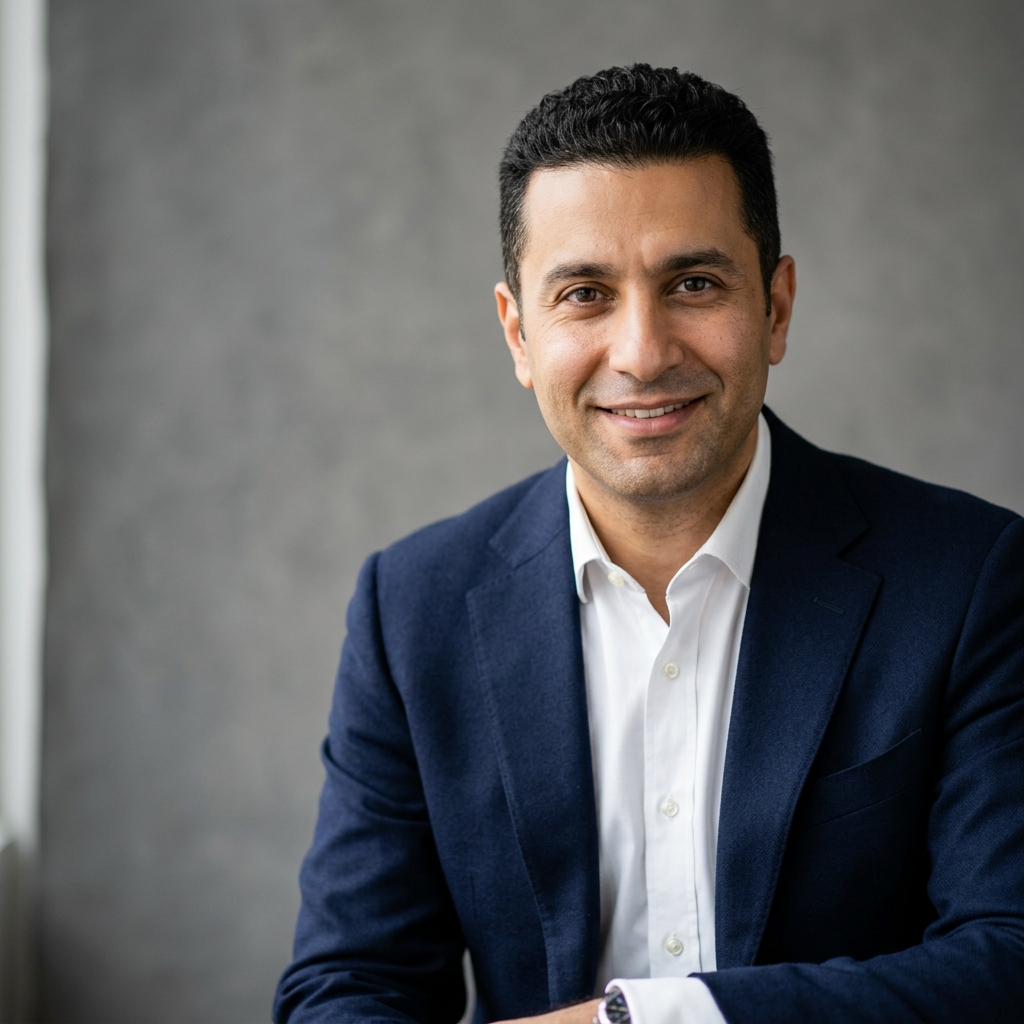
Nour El-Din
editor
Senior political analyst covering the Middle East and North Africa. With over 15 years of experience in international affairs, Nour specializes in U.S. immigration policy, diplomatic relations, and political developments across the MENA region. Previously contributed to Al Jazeera English and Middle East Eye.


