US & Immigration
4 min read
Arab American Voters — A Growing Political Force in US Elections

The Arab American community, long considered a politically overlooked demographic, is now demonstrating an unprecedented and critical shift in its civic engagement, wielding significant influence in shaping the American political landscape. This powerful awakening is redefining electoral outcomes, particularly in crucial swing states, and demanding that candidates address their concerns with renewed urgency.
A New Era of Political Clout: From Margins to Mainstream
For decades, Arab Americans, estimated at over 3.7 million strong, have navigated the complexities of American politics, often feeling their voices were unheard or misunderstood. However, recent years have marked a profound transformation. Voter registration and turnout among Arab Americans have surged, especially in battleground states like Michigan, Pennsylvania, and Florida. This heightened participation is not merely about casting ballots; it's about a community asserting its place in American democracy, demanding accountability from elected officials.The Michigan Model: A Case Study in Influence
Nowhere is this shift more evident than in Michigan, home to the largest concentration of Arab Americans in the country, particularly in cities like Dearborn. In the 2024 election cycle, the Arab American vote in Michigan saw a staggering 35% swing away from traditional Democratic patterns, with thousands voting "uncommitted" in the Democratic primary as a powerful form of protest. This movement, driven by deep dissatisfaction with U.S. foreign policy, particularly regarding the conflict in Gaza, sent a clear message: the Arab American community is no longer to be taken for granted. This newfound leverage has put Arab Americans on the electoral map, forcing both major parties to reconsider their engagement with this dynamic constituency.Beyond the Ballot Box: Advocacy and Representation
The surge in political engagement extends beyond elections. A new generation of Arab American political activists is emerging, earning representation in unprecedented numbers in elected and appointed offices. Organizations like the Arab American Institute (AAI), the Arab American Action Network (AAAN), and the Arab American Association of New York (AAANY) are at the forefront of this movement. They are actively mobilizing voters, advocating for civil rights, combating Islamophobia, and pushing for critical policy changes, including the long-overdue disaggregation of Middle Eastern and North African (MENA) data in federal forms and the U.S. Census. This data collection is essential for accurate representation and equitable access to resources.Challenges and the Path Forward
Despite these significant strides, the Arab American community continues to face challenges, including instances of racial profiling and hate crimes. Advocacy groups are actively working to counter these threats and ensure the safety and civil liberties of Arab Americans. The ongoing push for a distinct MENA category in the U.S. Census remains a critical priority, aiming to end the statistical invisibility that has historically hampered the community's ability to secure appropriate funding and representation."The 2024 election cycle marked a turning point for Arab and Muslim American political engagement. Catalyzed by U.S. foreign policy in Gaza and fueled by deep dissatisfaction with both major parties, these communities have emerged more unified, organized, and determined than ever before."
📌 Steps to Consider
- Engage Locally: Connect with local Arab American community organizations such as the Arab American Institute (aaiusa.org), the Arab American Action Network (aaan.org), or the Arab American Association of New York (aaany.org) to participate in civic engagement initiatives and advocacy efforts.
- Report Hate Crimes: If you or someone you know experiences a hate crime or discrimination, report it to local law enforcement and civil rights organizations like the American-Arab Anti-Discrimination Committee (ADC) or the Council on American-Islamic Relations (CAIR).
- Support MENA Data Advocacy: Stay informed and support efforts by organizations advocating for the inclusion of a Middle Eastern and North African (MENA) category in the U.S. Census to ensure accurate representation.
📋 Sources & Official Resources
- AP News — Elections — Associated Press election coverage and results
- Federal Election Commission — Campaign finance and election data
- Arab America Foundation — Arab American voter demographics and surveys
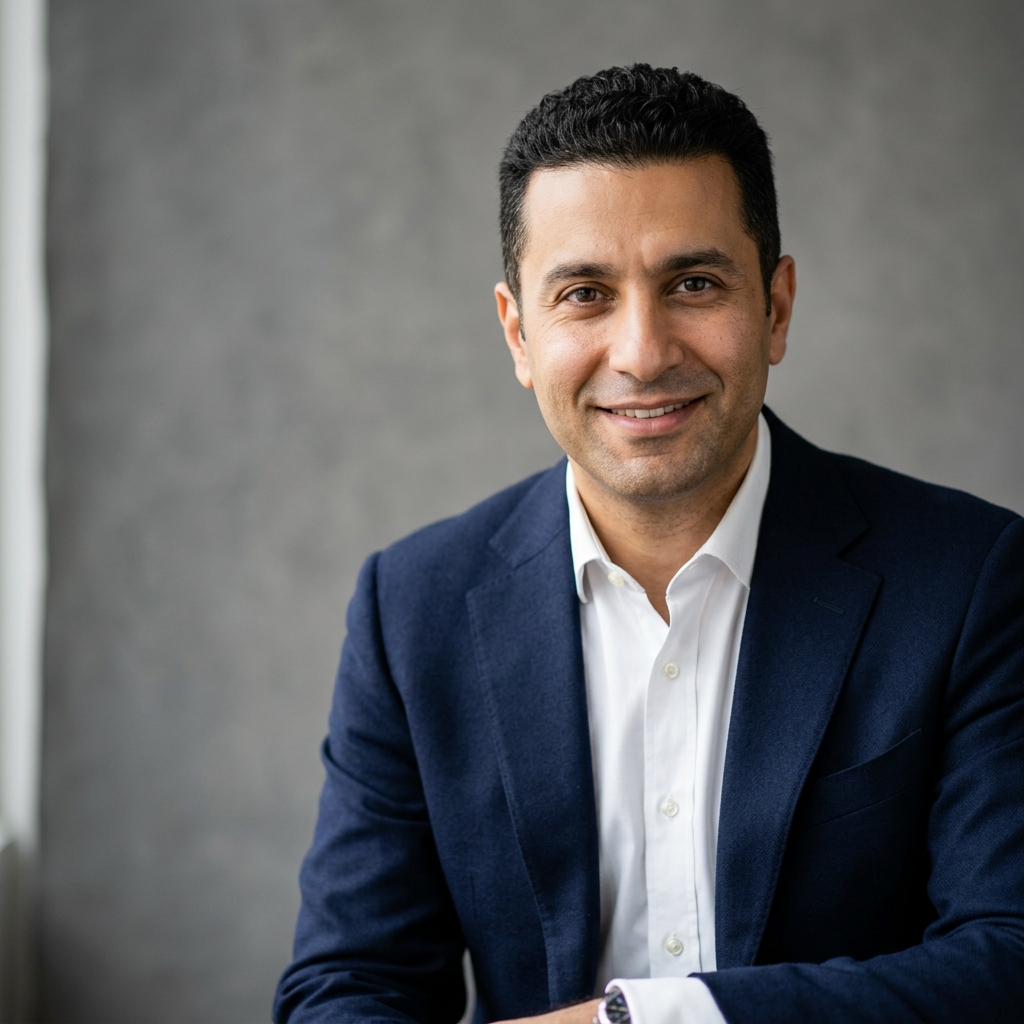
Nour El-Din
editor
Senior political analyst covering the Middle East and North Africa. With over 15 years of experience in international affairs, Nour specializes in U.S. immigration policy, diplomatic relations, and political developments across the MENA region. Previously contributed to Al Jazeera English and Middle East Eye.


