Muslim Americans Are Building a $300 Billion Economic Powerhouse
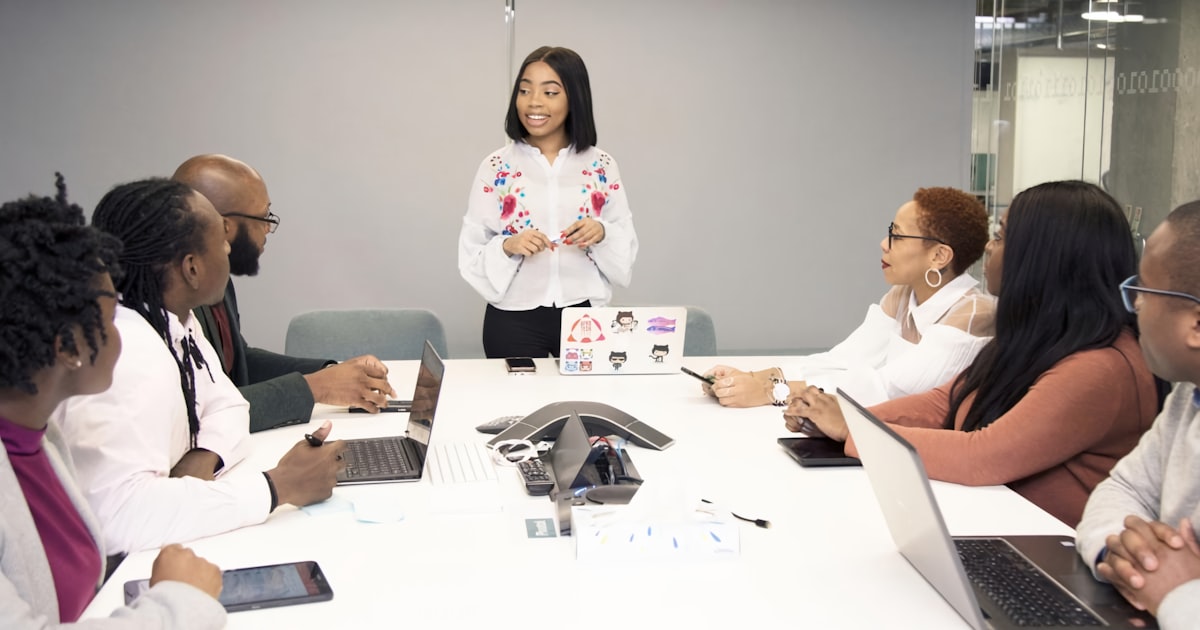
What many assume about the Arab and Muslim American community's economic impact is about to change. A significant shift is happening right under our noses, and it's reshaping the American economic landscape in ways you might not expect.
The Growing $300 Billion Economic Contribution
Beyond the common narratives. The American Muslim business community is entering its most consequential period yet in 2026. We're talking about an estimated $300 billion in annual purchasing power, fueled by a surge in second-generation founders. This isn't just a niche market anymore; it's a national economic force.
Think about it: sectors like healthcare, technology, real estate, and professional services are seeing significant representation from Muslim American businesses. Even halal food and consumer goods, once considered niche, are now crossing into mainstream retail at an accelerating pace.
How Growing support for Muslim American entrepreneurs
If you're an aspiring entrepreneur in the Arab or Muslim American community, 2026 is your year. Venture capital flows to Muslim-led startups increased by a staggering 34% year-over-year. This growth is primarily driven by exciting areas like fintech, edtech, and impact-oriented consumer brands.
But here's the part that truly matters for your wallet: there are more small business grants for minorities available today than ever before. Many of these are specifically designed to support founders from underrepresented communities, including Muslim American business owners. Organizations like AMCOB are actively guiding entrepreneurs on how to secure this vital funding.
"2026 marks the year Muslim American enterprise stopped being a niche story and became a national economic force."
The Glass Ceiling That Still Needs Shattering
Despite this incredible entrepreneurial output, there's a glaring challenge: C-suite representation. Look at the Fortune 1000, and you'll find a near-total absence of Muslim American executives at the VP level and above. The talent pipeline clearly exists, but the institutional willingness to elevate these leaders is still the variable.
This isn't just about fairness; it's about unlocking even more economic potential. Imagine the innovation and growth if this community's leadership was fully integrated at every level of corporate America.
What This Means for You
Whether you're looking to start a business, grow an existing one, or simply understand the shifting economic landscape, the Arab and Muslim American community is a force to watch. The Egyptian diaspora, for example, is actively building professional networks and cultural initiatives to support its members in the U.S.
What matters now is, how will you tap into this growing powerhouse, and what role will you play in shaping its future?
📋 Sources & Official Resources
- Pew Research Center — Muslim Americans — Demographics, economics, and social data
- U.S. Census Bureau — Population and economic data
- Bureau of Economic Analysis — GDP and consumer spending data
- Institute for Social Policy and Understanding — Muslim American community research

editor
Founder and Editor-in-Chief of Masry US. Egyptian-American journalist covering U.S. immigration policy, community affairs, and cross-cultural stories. Mo oversees editorial direction and ensures every story serves the Egyptian and Arab diaspora with accuracy and relevance.


